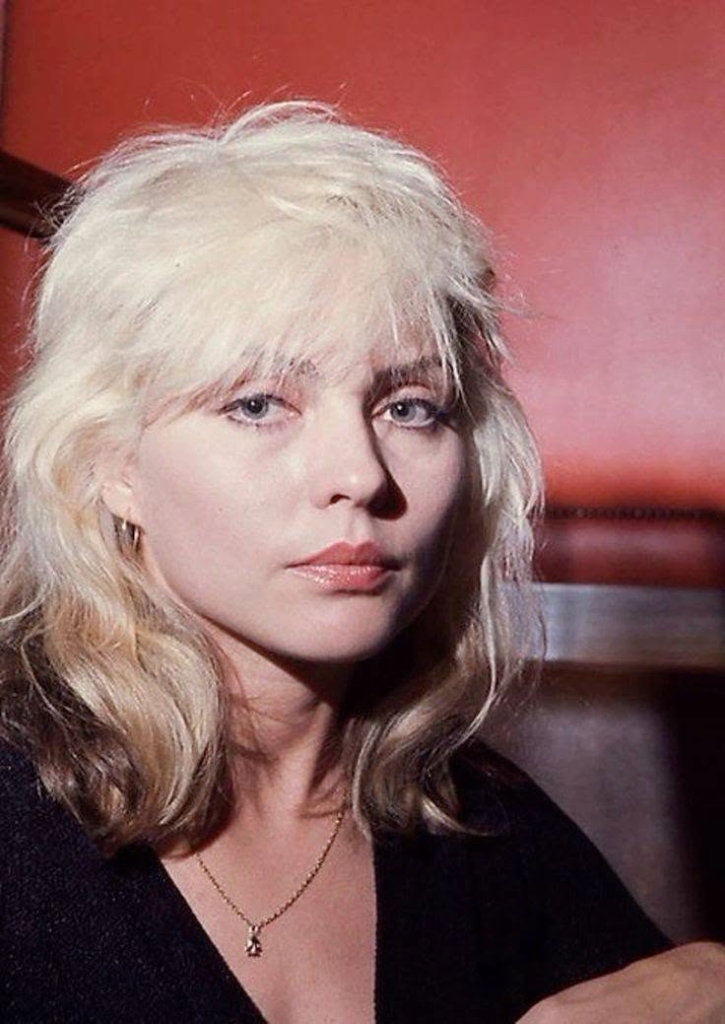
Debbie Harry is more than the unmistakable voice and face of Blondie. She became one of the defining figures of the New York music scene, helping transform punk, new wave, pop, rock, and disco into a bold sound that influenced generations of artists.
Born Angela Tremble in Miami, Florida, in 1945 and adopted as an infant, Harry grew up in New Jersey. After moving to New York City, she became involved in the city’s emerging music and art communities during the 1970s. It was there that she met guitarist and songwriter Chris Stein, with whom she would form the band that became Blondie.
Blondie emerged from New York’s downtown music scene alongside artists associated with venues such as CBGB. While many punk bands of the era embraced a raw and aggressive sound, Blondie stood apart. The group combined punk energy with pop melodies, reggae, disco, hip-hop influences, and electronic sounds.
At the center of it all was Harry. Her cool stage presence, distinctive voice, striking fashion, and charismatic personality made her instantly recognizable. Songs such as “Heart of Glass,” “Call Me,” “One Way or Another,” and “The Tide Is High” demonstrated Blondie’s remarkable ability to cross musical boundaries.
“Heart of Glass” became one of the band’s biggest breakthroughs. Originally rooted in Blondie’s punk and new-wave identity, the song evolved into a sophisticated disco-influenced hit. Its success helped demonstrate that the supposedly separate worlds of punk, underground music, and mainstream pop could collide.
Harry also became an important cultural and fashion icon. Her platinum-blonde hair and distinctive style made her one of the most recognizable women in popular music. She appeared on magazine covers, in films, and on television, expanding her influence beyond music.
Blondie’s willingness to experiment was equally important. The group incorporated sounds and ideas that were unusual for a rock band at the time. Their music reached audiences across genres, helping introduce elements of disco, reggae, and emerging hip-hop culture to a much wider audience.
The band experienced enormous success before eventually going on hiatus in the early 1980s. Harry then pursued a solo career and acting, appearing in films and continuing to establish herself as an artist in her own right.
Blondie later reunited, proving that the band’s music had not lost its power. New generations discovered their classic songs, while the group continued recording and performing.
Debbie Harry’s legacy is ultimately about more than hit records. She represented creativity, reinvention, independence, and the freedom to move between artistic worlds. Together with Blondie, she helped turn the rebellious energy of New York’s underground scene into music that could reach millions of people.
Decades after Blondie first emerged, Debbie Harry remains an enduring cultural icon. Her voice, image, and fearless approach to music helped reshape the possibilities of what a rock and pop frontwoman could be—and Blondie’s influence can still be heard throughout popular music today.