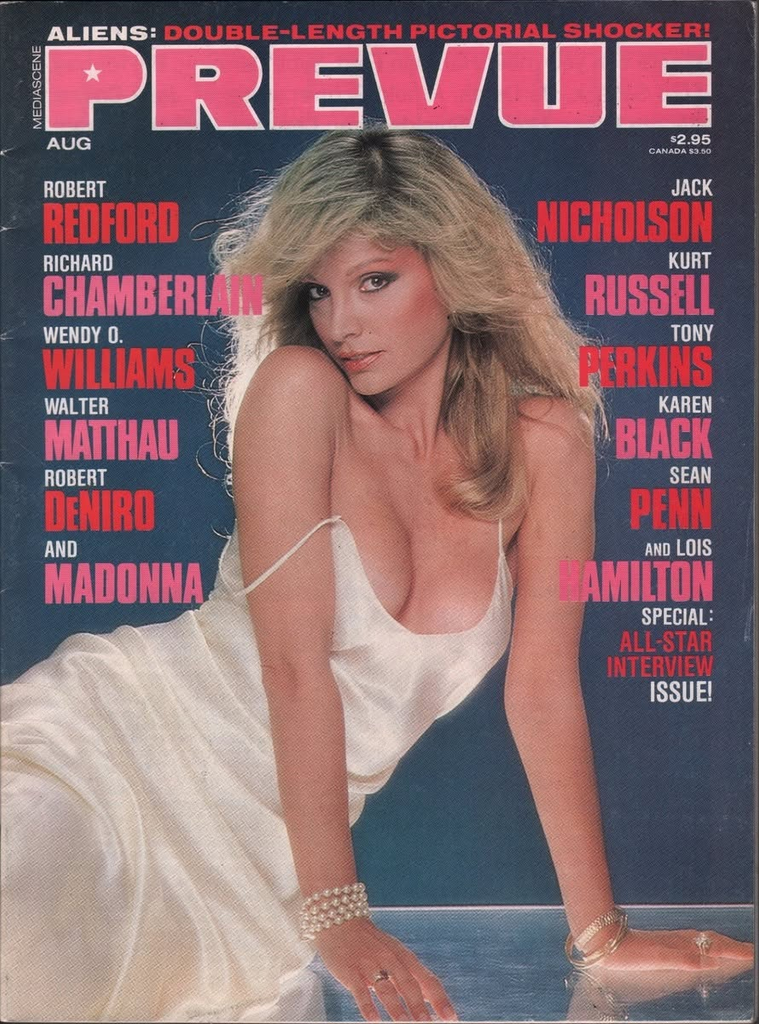
Model, actress, pilot, sculptor, painter—Lois Hamilton never believed in limiting herself to a single definition. At a time when women in entertainment were often encouraged to specialize, to stay within carefully drawn boundaries, she did the opposite.
She expanded. She explored. She took risks that many wouldn’t dare, both on the ground and thousands of feet above it.
Her life, marked by reinvention and fearless curiosity, stands as one of Hollywood’s most compelling yet quietly overlooked stories.
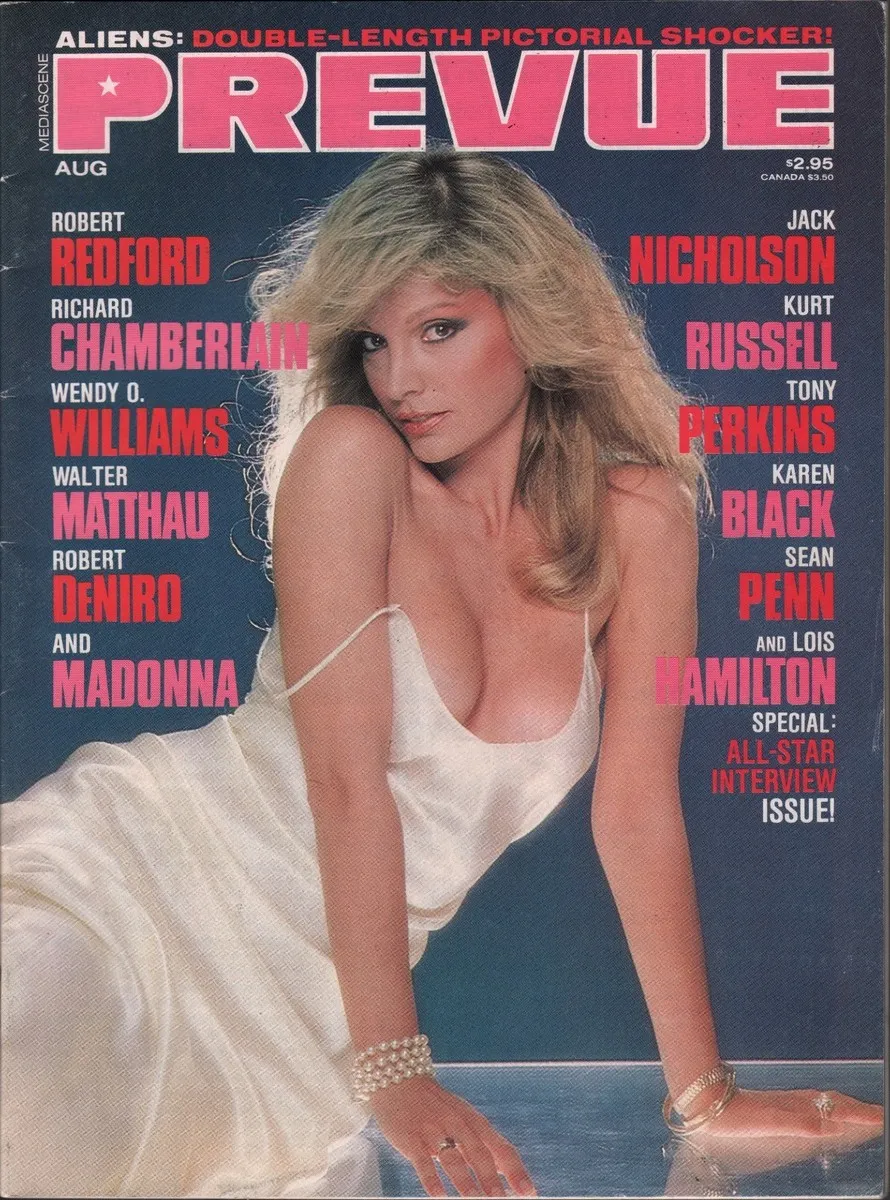
From Philadelphia Grit to Global Ambition
Born Lois Irene Yanessa on October 14, 1943, in postwar Philadelphia, Hamilton’s beginnings were far removed from the glamour she would later inhabit. Philadelphia in the 1940s and ’50s was a city that rewarded toughness, self-reliance, and perseverance—qualities she absorbed early.
Life pushed her to mature fast. She married at just 15 years old and became a mother while still a teenager, learning responsibility before she ever experienced recognition or applause.
Those early years shaped her worldview. While many of her peers were discovering themselves, Hamilton was already navigating adult realities. Yet ambition simmered beneath the surface.
She understood that survival alone was not enough—she wanted self-expression, independence, and intellectual growth.

She enrolled at Temple University, studying psychology, a choice that reflected her interest in human behavior and inner motivation. But her curiosity stretched beyond textbooks.
Soon, she made a bold decision that would change her trajectory: she left the United States to study fine arts at the University of Florence.
Living in Italy immersed her in centuries of artistic legacy. Renaissance sculpture, classical painting, architecture, and philosophy surrounded her daily. This period refined her creative instincts and instilled a deep respect for craftsmanship.
Art, she learned, was not decoration—it was discipline, patience, and truth. These lessons would later surface in her own work as a sculptor and painter, long after Hollywood took notice of her.

Runways, Cameras, and a Magnetic Presence
When Hamilton returned to the United States, her striking looks and confident demeanor quickly caught the attention of the fashion industry. She was signed by Ford Models, one of the most prestigious agencies of the era.
In the 1970s and early 1980s, she became a familiar face in high-fashion and commercial campaigns, appearing in more than 150 international advertisements.
She worked with iconic brands such as Chanel, Halston, Hermès, and Clairol, embodying a look that was both glamorous and approachable. Unlike many models of the time, Hamilton projected intelligence and independence as much as beauty.
There was an ease to her presence—she looked comfortable being seen, yet never appeared defined by the gaze of others.
Modeling, however, was never her final destination. It was a platform, not a cage. Hollywood soon recognized that her presence translated naturally to the screen.

Her film breakthrough came with Stripes (1981), where she shared scenes with Bill Murray and John Candy. Rather than being overshadowed by big personalities, she held her own, bringing wit and grounded energy to her role.
She followed with The Cannonball Run, a fast-paced ensemble comedy where her charisma matched the film’s playful chaos. In Summer Rental, she revealed a softer, comedic side, further proving her versatility.
Television expanded her reach even more. Appearances on popular shows like Three’s Company and The Dukes of Hazzard made her a familiar presence in American living rooms.
Yet even as her acting career flourished, Hamilton resisted being boxed into a single image. Acting was one chapter—not the whole book.

The Sky Was Never a Metaphor
While Hollywood offered visibility, aviation offered freedom.
Lois Hamilton didn’t want to sit in the passenger seat—literally or figuratively. Fascinated by flight, she pursued and earned her private pilot’s license, eventually logging more than 600 hours in the air.
Her passion wasn’t casual. She studied aviation seriously, respecting its technical demands and risks.
Her most treasured aircraft was a 1936 German biplane, a vintage machine that required precision, confidence, and mechanical understanding. She flew it herself, not as a novelty but as a skilled aviator.
She even performed aerobatics, executing loops and maneuvers that demanded total focus and trust in both machine and self.
Flying, Hamilton often said, freed her from expectation. In the sky, there were no auditions, no labels, no scripts—only clarity. The cockpit became a place of meditation and empowerment. It reflected how she lived her life: boldly, deliberately, and without apology.

Art as a Lifelong Language
Away from cameras and clouds, Hamilton returned again and again to art. Sculpture and painting were not sidelines—they were anchors. Her work explored form, movement, and emotional tension, often influenced by the human body and the mechanics of motion.
The same curiosity that drew her to aviation fueled her art: how things move, how balance is achieved, how beauty emerges from discipline.
Unlike fame, art offered permanence. It didn’t depend on trends or approval. For Hamilton, creating was a way to process experience, to translate a life lived intensely into something tangible and lasting.

A Legacy of Expansion, Not Limitation
Lois Hamilton’s story resists easy summary. She was never just one thing. She moved fluidly between worlds—fashion, film, aviation, fine art—without asking permission.
At a time when women were often encouraged to choose a single, marketable identity, she insisted on complexity.
Her life challenges a familiar narrative: that success must follow a straight, predictable path. Hamilton proved that fulfillment can come from expansion, not focus alone.
From the grit of Philadelphia to European art halls, from Hollywood sets to open skies, she lived as someone unafraid to change altitude when the ground felt too small.
Though her name may not be spoken as often as others from her era, her story endures as a quiet blueprint for creative freedom.
Lois Hamilton didn’t chase fame for its own sake. She chased experience, mastery, and meaning—and in doing so, carved out a life as multidimensional as the woman who lived it.