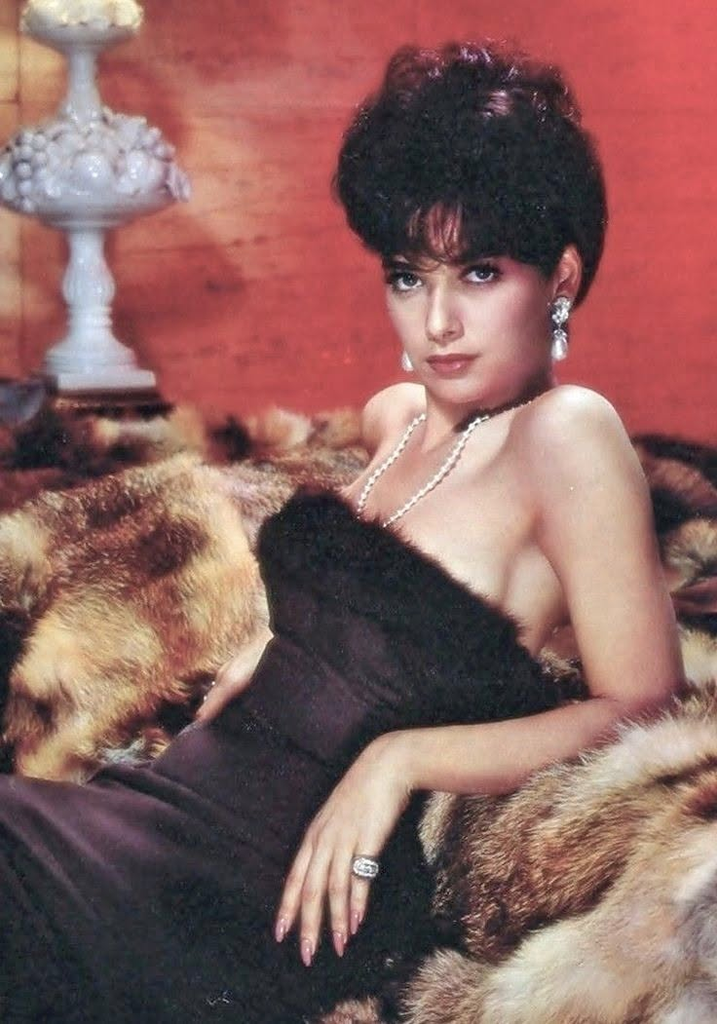
Suzanne Pleshette was the kind of woman who could walk into a room and immediately command attention—not by demanding it, but by simply being present.
There was a gravity to her that went beyond beauty or fame. Her smoky, unmistakable voice, quick intelligence, and sharp wit made her memorable, but what truly set her apart was her strength of character and her refusal to conform to narrow expectations.
Over a career that spanned more than five decades, Pleshette proved again and again that talent paired with integrity could create something lasting.
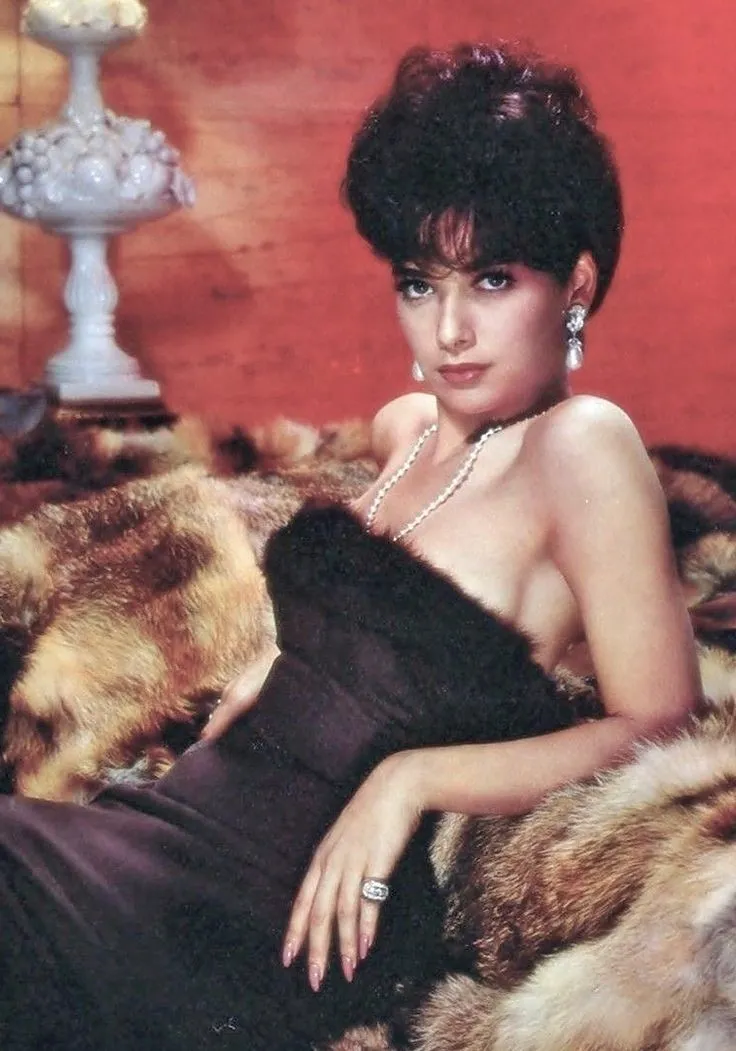
Born on January 31, 1937, in Brooklyn Heights, New York, Suzanne Pleshette grew up immersed in the world of performance. Her father, Eugene Pleshette, worked as a stage manager for the Paramount Theater, while her mother, Geraldine, was a dancer and artist.
Creativity was not an abstract concept in her household—it was a way of life. From an early age, Suzanne understood the discipline, preparation, and resilience required to work in the arts, lessons that would serve her well throughout her career.
She attended the High School of Performing Arts in New York City, an institution known for producing serious, dedicated performers.
From there, she continued her studies at Syracuse University and Finch College, further refining her craft. Her most formative training came later at the Neighborhood Playhouse School of the Theatre, where she studied under the legendary Sanford Meisner.
This rigorous approach to acting emphasized truth, emotional honesty, and deep listening—qualities that would become hallmarks of Pleshette’s performances. She was never an actress who “played at” emotions; she inhabited them fully, with clarity and purpose.

Pleshette made her Broadway debut in 1957 in the play Compulsion, and the stage helped ground her in the fundamentals of performance.
Theatre taught her stamina, discipline, and respect for the audience—traits that carried seamlessly into her film and television work. Hollywood soon noticed her talent, and she made her screen debut in 1958’s The Geisha Boy, opposite Jerry Lewis.
Although the role leaned toward comedy, Pleshette quickly demonstrated that she was capable of far more than lighthearted charm.
Throughout the early 1960s, she began building a reputation as an actress who brought intelligence and confidence to her roles.
At a time when many women in film were limited to decorative or submissive parts, Suzanne Pleshette consistently portrayed characters who were self-aware, emotionally complex, and unafraid to speak their minds. This quality reached a powerful peak in 1963, when Alfred Hitchcock cast her in The Birds.
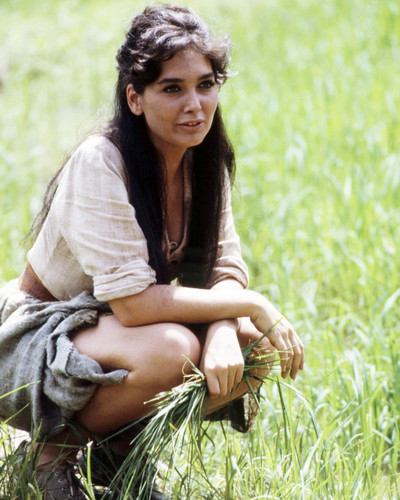
In the film, Pleshette played Annie Hayworth, a schoolteacher quietly carrying the pain of unreturned love. Though not the central character, Annie’s emotional arc resonated deeply with audiences.
Pleshette’s performance was subtle and heartbreaking—she conveyed longing, resignation, and dignity without melodrama. Hitchcock reportedly admired her professionalism and restraint, and her work in The Birds remains one of the most memorable supporting performances in suspense cinema.
Annie Hayworth was vulnerable, but never weak—a distinction Pleshette always insisted on in her roles.
During the remainder of the 1960s, she appeared in a wide range of films, including Youngblood Hawke (1964), Fate Is the Hunter (1964), A Rage to Live (1965), and If It’s Tuesday, This Must Be Belgium (1969).
Whether playing dramatic or comedic roles, Pleshette brought nuance and authority to her characters. She was not content to fade into the background; she demanded substance, and audiences noticed.

It was television, however, that brought Suzanne Pleshette into millions of homes and secured her place in cultural history. In 1972, she was cast as Emily Hartley on The Bob Newhart Show.
As the wife of Bob Newhart’s mild-mannered psychologist, Emily was smart, stylish, warm, and unflappable. Crucially, she was also an equal partner. Emily Hartley was not defined by her husband; she complemented him, challenged him, and grounded him.
Pleshette’s chemistry with Newhart was effortless and authentic, built on impeccable timing and mutual respect. The show ran for six successful seasons, and her portrayal earned her Emmy nominations and widespread admiration.
At a time when sitcom wives were often written as one-dimensional figures, Emily Hartley stood out as a fully realized woman—working, thinking, and living on her own terms.
Many viewers, particularly women, saw in Emily a reflection of who they were or who they aspired to be.

After The Bob Newhart Show ended, Pleshette continued to work steadily across television, film, and voice acting. She delivered a commanding performance in the television movie Leona Helmsley: The Queen of Mean (1990), portraying the infamous hotel magnate with intensity and complexity.
Her ability to humanize even the most formidable characters was one of her greatest strengths. She also lent her distinctive voice to animation, most notably as Zira in Disney’s The Lion King II: Simba’s Pride (1998), where her vocal performance added depth and menace to the character.
Pleshette’s life was not without hardship. In 2006, she was diagnosed with lung cancer. Rather than retreat from public life, she faced the illness with candor and resilience.
She continued acting and made a surprise appearance at a 2007 Bob Newhart Show reunion, where she was greeted with a standing ovation—a testament to the affection audiences still held for her decades later.

Her personal life included both brief and lasting relationships. She was married to actor Troy Donahue in the early 1960s, though the marriage was short-lived. Her most enduring love came later with actor and comedian Tom Poston.
The two had known each other for years before marrying in 2001, proving that some connections take time to find their moment. Poston’s death in 2007 was a profound loss for Pleshette, who passed away on January 19, 2008, just days before her 71st birthday.
Suzanne Pleshette’s legacy is one of strength, intelligence, and authenticity. She refused to diminish herself to fit expectations and never apologized for her confidence.
“I never played weak,” she once said, and her career stands as proof of that philosophy.
Today, she is remembered not only for iconic roles, but for the example she set: that a woman could be elegant and tough, witty and compassionate, glamorous and grounded—all at once.