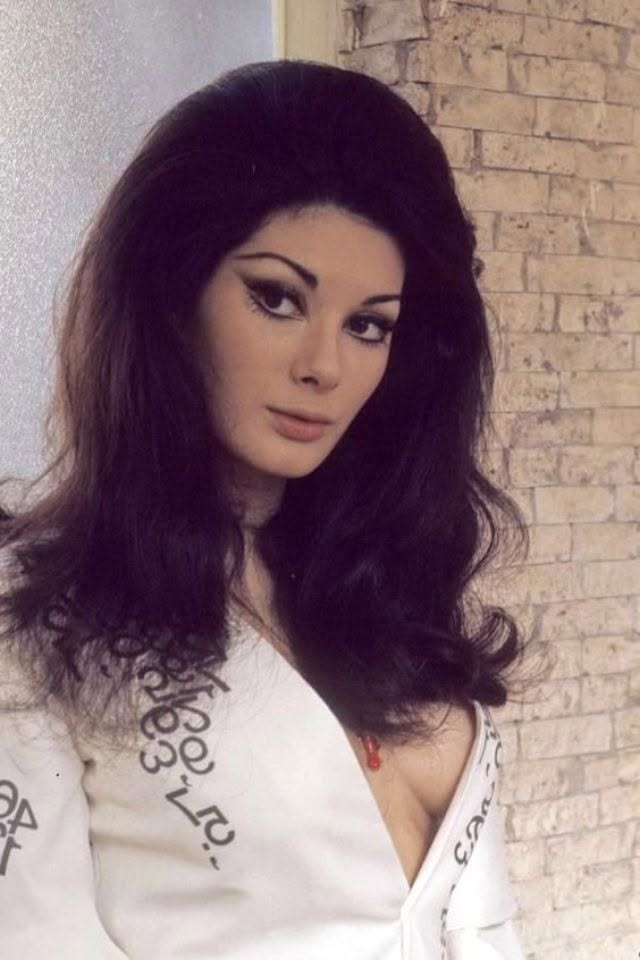
In the golden age of 1970s European cinema, few names commanded attention quite like Edwige Fenech.
Crowned the undisputed queen of Italian cult films, she became one of the most recognizable faces of the era, embodying the daring, experimental spirit of a film industry unafraid to blur the boundaries between art, genre, and provocation.
Whether in giallo thrillers or risqué comedies, Fenech brought to the screen not only her striking beauty but also an intensity and charisma that made her unforgettable.
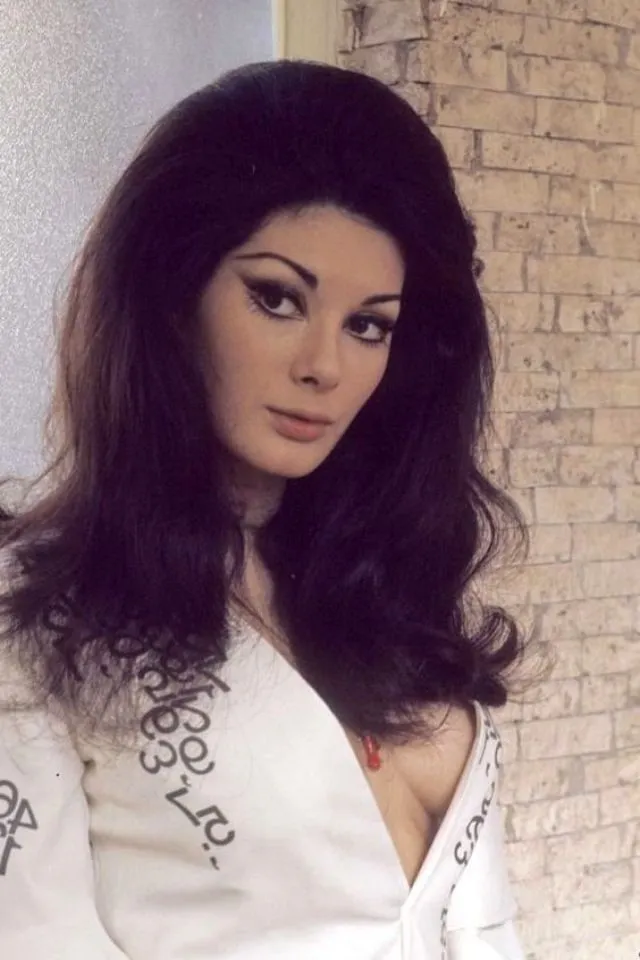
Born on December 24, 1948, in French Algeria to a Maltese father and an Italian mother, Fenech was raised in Europe at a time when cinema was undergoing profound transformation.
By the late 1960s, Italian film had shifted from the neorealist masterpieces of Rossellini and De Sica to an explosion of genre cinema: spaghetti westerns, erotic comedies, giallo thrillers, and horror.
It was in this vibrant cultural landscape that Fenech found her footing, carving out a career that would make her an international star.
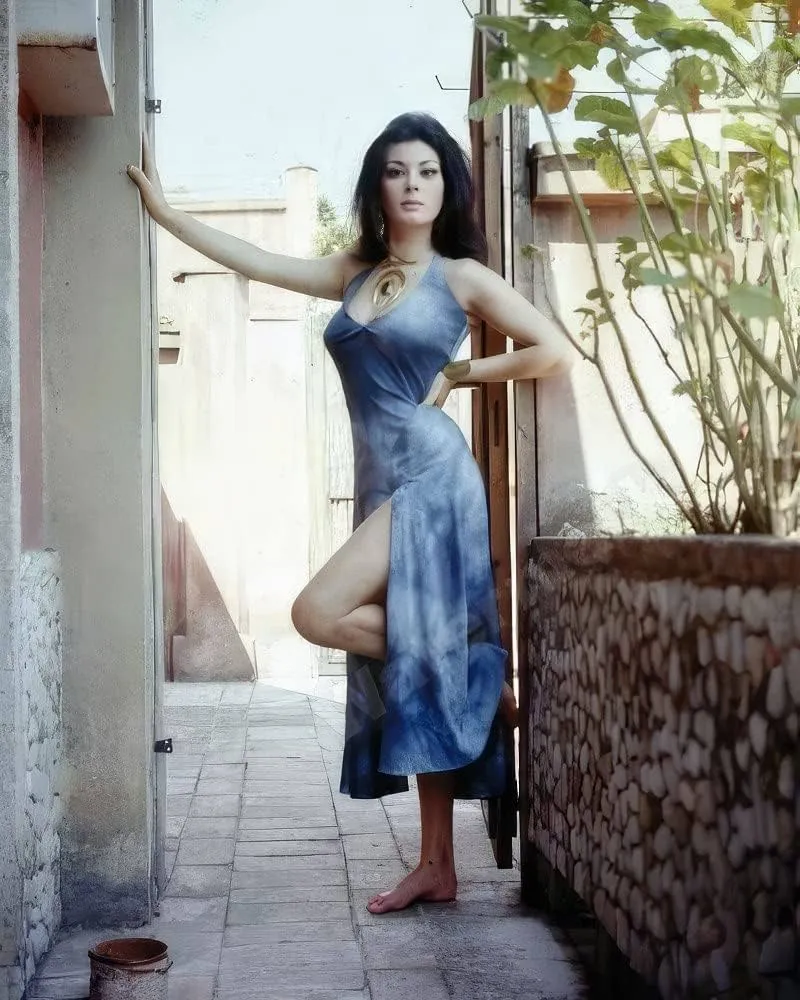
Her rise began in earnest with Sergio Martino’s The Strange Vice of Mrs. Wardh (1971). As Julie Wardh, she played a woman ensnared in a web of desire, manipulation, and violence—a role that demanded not only sensuality but also psychological depth.
Audiences were captivated. Critics and fans alike noted her ability to transform archetypal “victim” roles into something layered and compelling.
She followed this with equally iconic turns in All the Colors of the Dark (1972) and Your Vice Is a Locked Room and Only I Have the Key (1972), cementing her reputation as the face of giallo.
The giallo films of the 1970s were as much about atmosphere as they were about story—lush cinematography, enigmatic plots, and an undercurrent of eroticism. Many actresses of the era were treated primarily as decorative fixtures, but Fenech stood apart.
She understood the mechanics of suspense and used her screen presence to command attention rather than simply adorn it. In doing so, she became both muse and master of the genre, her performances helping elevate giallo to international recognition.

Yet Fenech was never content with a single box. As Italian cinema shifted into bawdy comedies known as commedia sexy all’italiana, she once again proved her versatility. Films like Ubalda, All Naked and Warm (1972) and Giovannona Long-Thigh (1973) showcased her comedic timing and self-awareness.
These roles often leaned on her sex appeal, but Fenech managed to infuse them with humor and wit, turning what could have been flat caricatures into lively, memorable performances.
In the process, she became a household name in Italy, adored by audiences who appreciated both her glamour and her ability to make them laugh.
Behind the screen, Fenech navigated an industry notorious for its exploitative tendencies with remarkable control. Despite the suggestive roles she often played, she maintained her dignity and agency, refusing to be reduced to a mere object of desire.
Her sharp business sense and professionalism earned her respect from collaborators and helped her sustain a career at a time when many actresses were easily discarded once they aged out of ingénue roles.

By the 1980s, as Italian cinema experienced decline, Fenech began to step back from acting. But she did not disappear. Instead, she reinvented herself as a producer, working behind the camera to bring stories to life.
She collaborated with major networks and film productions, showing once again that her talent extended far beyond what audiences had seen on screen. Her work as a producer gave her longevity in an industry where fame is often fleeting.

Even in her later years, Fenech’s influence continued to reverberate. Cult cinema enthusiasts rediscovered her films, celebrating her not only as an actress but as an icon of European pop culture.
Directors such as Quentin Tarantino paid homage to her in their work—he even named a character “Edwige Fenech” in Inglourious Basterds (2009)—a testament to the lasting impact she made on the global imagination.
Fashion designers, too, drew inspiration from her style, which embodied the chic yet daring sensibility of 1970s Italy.

What makes Edwige Fenech remarkable is not only the breadth of her career but the way she managed it—with intelligence, grace, and quiet defiance.
She thrived in a cinematic landscape that often reduced women to stereotypes, yet she transformed those roles into something more powerful. She turned sensuality into strength, comedy into art, and image into legacy.
Today, Fenech is remembered not simply as a star of giallo or comedy, but as a symbol of reinvention and resilience. Her career is a reminder of the many ways women in film can shape their own destinies, even when the industry seeks to define them narrowly.
For audiences who return to her work, whether through the hypnotic suspense of The Strange Vice of Mrs. Wardh or the playful irreverence of her comedies, Edwige Fenech remains timeless—a true queen of European cinema, forever etched into the golden history of 1970s film.