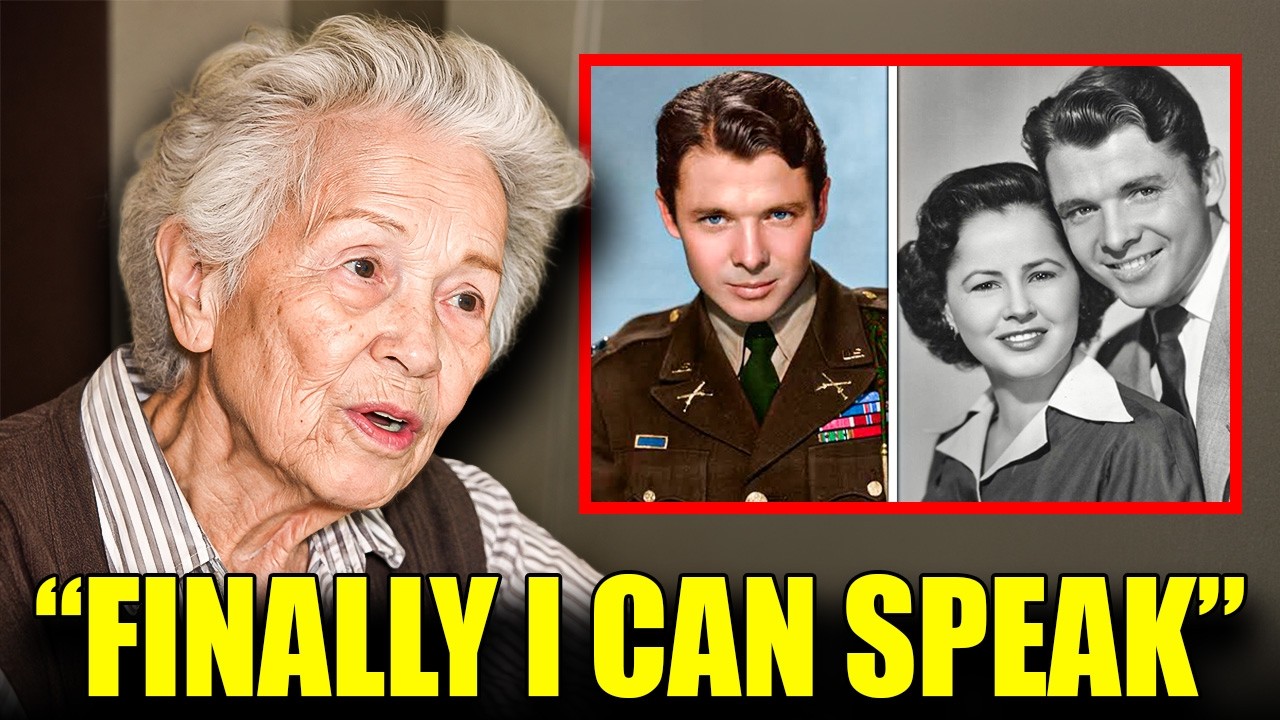
The wreckage was still smoldering on the rocky face of Brush Mountain when the world learned that its most decorated soldier had fallen, but the true revelation of Audie Murphy’s life would not emerge until years later, when his widow finally broke her silence and confirmed the rumors that had haunted their marriage. The crash on May 28, 1971, claimed the lives of Murphy and five others, silencing a man who had survived some of the most brutal combat of World War II only to die in a routine flight through bad weather. For decades, the public mourned the hero of Holtzwihr, the Texas farm boy who had single-handedly held off a German company from a burning tank destroyer.
Yet behind the Medal of Honor and the Hollywood fame lay a fractured personal life, riddled with debt, addiction, and infidelity, secrets that Pamela Murphy carried with her for nearly four decades before confirming what many had only whispered.
The official report from the National Transportation Safety Board would later cite pilot error as the primary cause of the disaster, noting that Herman Butler, the pilot, lacked instrument flight certification and had continued visual flight rules into conditions of rain, fog, and low clouds. The Aero Commander 680, bearing registration N601JJJ, had departed from Atlanta, Georgia, bound for Martinsville, Virginia, with six souls aboard. At an elevation of approximately 930 meters, roughly 26 kilometers from Roanoke, the aircraft slammed into the side of the mountain, shattering into pieces and igniting a fire that consumed everything in its path.
Rescue teams battled difficult terrain and unfavorable weather to reach the site, but there were no survivors to save, only remains to recover and a nation to inform that its greatest living war hero was gone.
Audie Murphy had often referred to himself as a fugitive from the law of averages, a modest acknowledgment that his survival through countless battles and firefights defied all statistical probability. Born into poverty in rural Texas, the seventh of twelve children, he had lied about his age to enlist in the Army after Pearl Harbor, desperate to escape a life of sharecropping and hardship. His combat record read like the stuff of legend, and indeed it became the stuff of film, as he would later star in the movie adaptation of his own autobiography, To Hell and Back, playing himself in a production that became one of Universal’s most successful films of its era.
The public saw a man of unwavering courage, a hero who had earned every one of his 33 medals and awards from the United States, France, and Belgium, including the Medal of Honor, the Distinguished Service Cross, two Silver Stars, several Bronze Stars, and three Purple Hearts.
But the war that made him a hero also broke something inside him, and the symptoms now recognized as post-traumatic stress disorder manifested in ways that would destroy his peace and strain every relationship he held dear. Family members later recounted that Murphy suffered from chronic insomnia, recurring nightmares, and haunting memories that refused to fade with time. He would wake in the middle of the night in a state of severe tension, his hand reaching for the loaded pistol he kept beside his bed for a sense of security that never truly came.
The psychological torment drove him to rely on sleeping medication, specifically Placidyl, a prescription 𝒹𝓇𝓊𝑔 for insomnia, and at one point he became so dependent that he locked himself in a hotel room to break the addiction alone, emerging only after he had conquered the dependency through sheer force of will.
The inner demons were matched by external pressures that mounted relentlessly throughout his post-war life. Murphy developed a serious gambling habit, spending considerable sums at tables and tracks, and he poured money into high-risk investments, including racehorses and oil ventures that failed to produce the returns he desperately needed. By the late 1960s, the man who had been celebrated as a national symbol was nearly bankrupt, burdened with substantial debt that stood in stark contrast to the image of success projected to the public.
The financial ruin added another layer of strain to his marriage, and the relationship with Pamela Opal Lee Archer, whom he had married in 1951 after his first marriage to actress Wanda Hendrix ended, began to deteriorate under the weight of accumulated pressures.
Pamela Murphy had entered Audie’s life at a moment when he was seeking stability, and for a time, the family lived a relatively peaceful existence in Van Nuys, California, presenting to the world the picture of a happy household with a famous husband, a private wife, and two young sons. Terry Michael Murphy was born in 1952, followed two years later by James Shannon Murphy, known affectionately by the nickname Skipper. The arrival of the children seemed to complete the family in the eyes of friends and admirers, but behind closed doors, the effects of war continued to take their toll.
The insomnia, the stress, the recurring wartime memories, all of it placed significant pressure on family life and gradually changed the relationship between husband and wife, creating a distance that would only widen with time.
 By the early 1960s, Audie and Pamela began living separately, though they remained legally married, a complex arrangement that allowed rumors to flourish without any official confirmation. Throughout Audie’s lifetime, Pamela rarely commented on the speculation surrounding her husband, maintaining a silence that allowed various claims to circulate as mere gossip. It was only after his death, and after decades of reflection, that she began to address the truth more openly, confirming that the gambling problems were real and severe, that the financial failures were not exaggerated, and that Audie faced substantial debts before his death.
She also acknowledged what many had suspected but none could prove, that the rumors of infidelity were not without basis, and that the growing distance between Audie and his family during the final years of his life amounted to what some sources described as desertion.
Yet even as she confirmed these painful truths, Pamela Murphy chose her words carefully, refusing to publicly criticize the man she had married. She continued to express respect for the contributions and qualities Audie had demonstrated throughout his life, maintaining a perspective that allowed for both his flaws and his greatness. Her most frequently quoted statement captured this duality perfectly, as she said, Even with the adultery and desertion at the end, he always remained my hero.
That single sentence revealed the complexity of her feelings, acknowledging the hurt and disappointment while preserving the admiration she held for the soldier who had given so much to his country. It was a balancing act that defined her public statements for the rest of her life, and it offered a nuanced portrait of a man who was both a national treasure and a deeply troubled human being.
The revelations about Audie Murphy’s personal struggles did nothing to diminish his military legacy, which remains one of the most remarkable in American history. His actions on January 26, 1945, at Holtzwihr, France, stand as a testament to extraordinary valor under fire. As German forces launched a fierce attack, and Allied troops came under intense pressure with multiple vehicles destroyed and defensive positions on the verge of being overrun, Murphy climbed onto a burning tank destroyer and manned its .
50 caliber machine gun. Despite being wounded, he continued firing, holding off the enemy advance and helping to put approximately 50 German soldiers out of action during a battle that lasted nearly an hour. The achievement attracted immediate attention from military leadership and became recognized as one of the most remarkable acts of heroism of the entire war.
The Medal of Honor citation describes how Murphy ordered his men to withdraw to prepared positions while he remained forward, telephoning artillery fire to slow the German advance. When the enemy began to flank his position, he climbed onto the burning tank destroyer, which was in danger of exploding at any moment, and used its machine gun to inflict heavy casualties on the approaching forces. He continued firing even after being wounded in the leg, and his actions so demoralized the enemy that they broke off their attack and retreated.
His defiance of death and his willingness to sacrifice himself for his men became the stuff of legend, and the story was told and retold in books, films, and commemorations for decades after the war ended.
The transition from war hero to Hollywood star was not a natural one, but Murphy’s remarkable story and his screen presence attracted the attention of film studios eager to capitalize on his fame. He appeared in between 44 and 47 films, depending on the source, with most of his work falling into the Western genre that was immensely popular with audiences at the time. While he was not considered an A-list star like some of his contemporaries, he maintained a steady presence in the industry for many years, playing the strong, determined hero that audiences had come to expect.
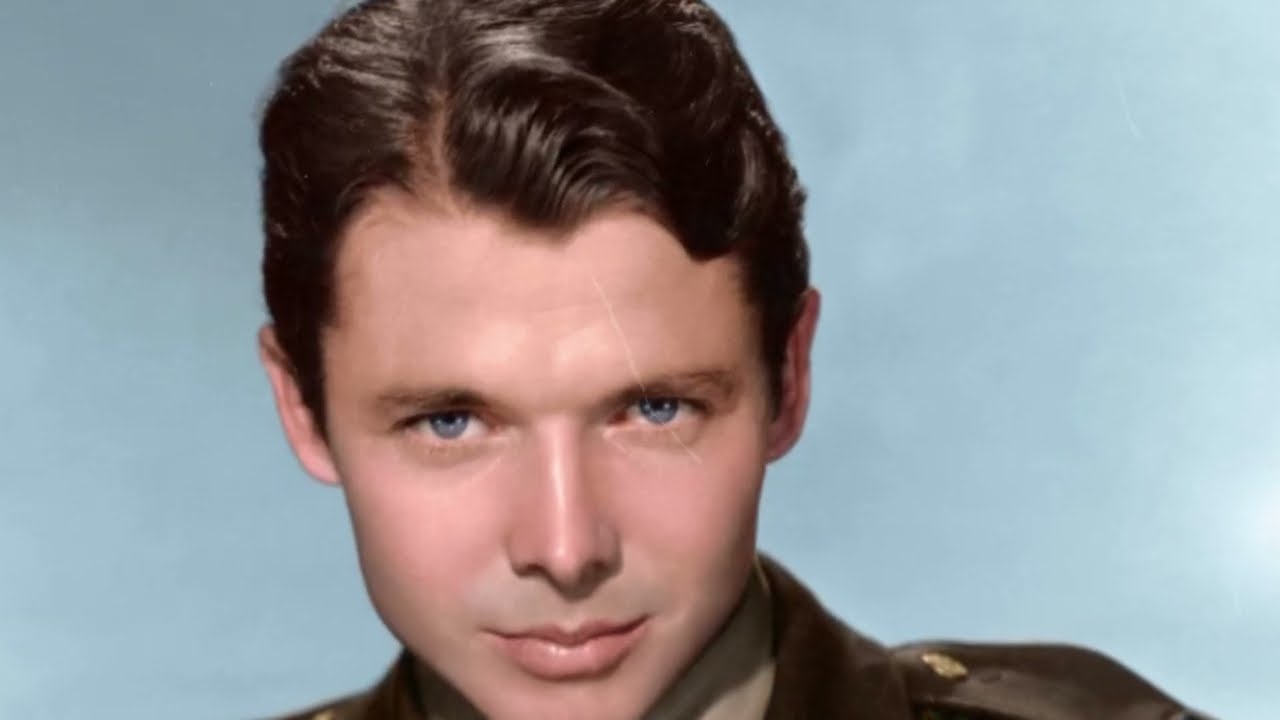 His most famous role was in To Hell and Back, the 1955 film based on his autobiography, in which he portrayed himself, a rarity in film history that added to the film’s unique appeal and contributed to its success as one of Universal’s most profitable productions of that era.
Beyond acting, Murphy explored other creative outlets, writing country songs and poetry that reflected his personal experiences and the impact of war on human life. His compositions attracted attention within the music industry and were recorded by various singers, while his poems offered the public a deeper understanding of the inner world of the famous former soldier. These artistic endeavors revealed a sensitive side to the man who had been hardened by combat, and they added another dimension to his public persona.
Yet the creative pursuits could not heal the wounds that continued to fester beneath the surface, and the financial pressures continued to mount, pushing him further into a cycle of gambling and risky investments that only deepened his troubles.
After the plane crash, Pamela Murphy was left to deal with the aftermath of a life that had been both celebrated and troubled. The debts and financial difficulties that Audie had accumulated became her responsibility, and she was forced to make significant changes to the family’s living conditions. She left the large home that had been associated with their previous life and moved into a more modest residence, a decision driven by the need to achieve financial stability after the tragedy.
Rather than building a life on the fame of her late husband, she chose to create one through her own work, a decision that helped the family maintain its independence in the years following the loss.
The job that came to define Pamela Murphy’s post-war life was her position as a patient liaison at the Sepulveda Veterans Hospital in the Los Angeles area. In that role, she worked directly with veterans and former members of the US military, helping them access medical services, complete procedures, and receive emotional support. Her dedication earned her the respect of colleagues and patients alike, and many veterans came to describe her as an angel within the hospital, a nickname that reflected the warmth and kindness she brought to her work.
She treated former service members as familiar people in need of support, approaching each interaction with compassion and understanding that came from her own experiences with the sacrifices of military life.
Pamela Murphy remained at the hospital for approximately 35 years, making her a familiar figure to several generations of veterans throughout Southern California. Her lengthy service was a testament to her commitment to those who had served, and it provided her with a sense of purpose that helped her navigate the challenges of her own life. Alongside her daily work, she continued to address the financial issues left behind after Audie’s death, gradually resolving debts and responsibilities connected to the family’s assets through considerable effort and persistence.
She also became involved in legal proceedings connected to the plane crash, pursuing action against parties associated with the fatal flight in a case that lasted for an extended period and attracted public attention before ultimately being settled through compensation awarded to the relatives of the victims.
 Even after confirming the sensitive details of Audie Murphy’s personal life, Pamela Murphy rarely appeared in the media to criticize her late husband. She maintained a discreet approach, focusing on her responsibilities to herself and her family rather than seeking public attention or engaging in controversy. In the eyes of many who knew her, she devoted much of her life to preserving stability within the family after the tragedy, choosing a relatively quiet life away from the media spotlight and the debates that continued to swirl around her husband’s legacy.
Her death in 2010 at the age of 86 marked the end of a life connected to many historical events, from war and Hollywood to personal stories that had captured public interest for decades.
The Murphy family’s story did not end with Pamela’s passing, as her sons continued to navigate the legacy of their famous father while maintaining their own private lives. Terry Michael Murphy, born in 1952, stayed away from most entertainment activities and avoided excessive media attention, participating only occasionally in memorial events connected to his father. His death in February of the previous year in Shasta County, California, at the age of 72, drew attention from those who followed the family’s legacy, with published reports citing multiple organ failure combined with pneumonia as the cause.
The younger son, James Shannon Murphy, known as Skipper, also maintained a private life and generally stayed out of the public spotlight until his death on May 1, 2023, at the age of 69, marking the end of the second son’s life and prompting tributes from those involved in preserving Audie Murphy’s legacy.
The story of Audie Murphy and his family remains a unique part of American history, a tale of extraordinary courage and profound struggle, of public adulation and private pain. The rumors that Pamela Murphy confirmed after his death did not diminish his achievements on the battlefield, nor did they erase the admiration that millions felt for the man who had embodied the fighting spirit of a generation. Instead, they added depth and complexity to his legacy, reminding us that heroes are not perfect beings but flawed humans who carry their own burdens and make their own mistakes.
Pamela Murphy’s decision to speak the truth, even as she maintained her respect for the man she had married, offered a more complete picture of Audie Murphy, one that acknowledged both his greatness and his humanity.
The confirmation of the rumors also shed light on the hidden costs of war, the invisible wounds that soldiers carry with them long after the fighting ends. Audie Murphy’s struggles with PTSD, his addiction to sleeping medication, his gambling and financial ruin, all of these were consequences of the trauma he experienced in combat, and they serve as a reminder of the sacrifices that veterans make not only on the battlefield but throughout their lives. His story has become a touchstone for discussions about the treatment of veterans and the importance of addressing mental health issues, and his legacy continues to inspire both admiration and reflection.
The man who called himself a fugitive from the law of averages ultimately could not escape the consequences of his experiences, but his courage in facing those consequences, both on and off the battlefield, remains a testament to his character.
As the years pass and the generation that fought World War II fades into history, the story of Audie Murphy takes on new significance. He represents not only the heroism of that era but also its hidden costs, the struggles that many veterans faced in silence as they tried to rebuild their lives after the war. Pamela Murphy’s revelations, made public only after her death, have ensured that the full story of her husband’s life is known, not to diminish his achievements but to honor the truth of his experience.
The family that he left behind, the sons who carried his name and the wife who carried his secrets, have all played their part in preserving his memory, and their stories have become intertwined with his in the collective memory of the nation. The legacy of Audie Murphy is not simple or straightforward, but it is deeply human, and it continues to resonate with those who seek to understand the true cost of courage and the price of heroism.