
ByTodd Gilchrist|Mar 21, 2023, 3:17 PM EDT
 Add us as a preferred source
As Khan Noonien Singh once said, “revenge is a dish best served cold,” and cinema is filled with stories where vengeance and retribution get served with chilling brutality and precision. There is a natural impulse to see one’s enemies, or even just the people who wronged us, punished for their misdeeds, or have karma visited upon them. Movies give us the unique opportunity to live and experience that satisfaction acted out without having to get off our couches, much less face the repercussions of getting someone back for being hurtful, hateful, or destructive.
What’s even better about a revenge movie (as opposed to good, old-fashioned revenge) is that the way it gets dished out can be wildly different from anything we ever imagined via an elaborate heist, a thrilling chase scene, or some quiet act of catharsis. Below, we’ve collected some of cinema’s definitive revenge movies, from the gruesome to the transcendent. It’s a broad and eclectic spectrum of deep cuts and classics alike for the next time you put a hex on an old boss, a former pal, or just that jerk who cut you off in traffic.
1. The Lady Eve (1941)
Preston Sturges was among a small handful of filmmakers in the 1930s and ’40s considered to be masters of the screwball comedy, and this is one of the greatest examples of his work. In the film, Barbara Stanwyck plays a beautiful con artist named Jean who jeopardizes her scheme when she accidentally falls in love with her mark, Charles (Henry Fonda), and decides to trick him all over again after he discovers the first ruse. Charles’s gullibility and Jean’s determination makes for a nonstop roller coaster of darkly funny hijinks as the two fall in and out of love while simultaneously trying to get back at one another for betraying the other.
2. Point Blank (1967)
John Boorman directed this stylish thriller about a thief trying to exact revenge on his partner after being betrayed during a heist. Star Lee Marvin looks and acts exactly like you imagine a thief ruthless enough to take his revenge out one person at a time would, but meticulous enough not to ask for a penny more than he was originally owed. By loosely adapting Richard Stark’s The Hunter—which also later became the basis for the Mel Gibson film Payback—Boorman turns the story as much into an exercise in jazzy ’60s style as a brutal battle between one man, his former partner, and a crime family big and ominous enough to simply be called “The Organization.”
3. The Bride Wore Black (1968)
Despite François Truffaut’s deeply mixed feelings about The Bride Wore Black‘s legacy (the director agreed with early criticisms of the film, then warmed to it as public approval changed, then fretted about color choices as audiences embraced it as a classic), this drama occupies a unique corner in the “revenge movie” canon. Jeanne Moreau plays the title character, a woman who hunts down the five men who killed her husband on their wedding day; unsurprisingly, Truffaut treats her errands with a meditative, poetic flair that turns this murder story into something more beautiful, and thoughtful, while Moreau helps cement the film as a provocative hybrid of French New Wave aesthetic and Hitchcockian suspense.
4. Once Upon A Time In The West (1968)
Sergio Leone made a number of great films that hinged at least in part on seeking revenge. But this western—not only his best, but one of the greatest of all time—follows a mysterious man with a harmonica (Charles Bronson) as he disrupts the efforts of a hired gun named Frank (Henry Fonda) and his wealthy benefactor from trying to gain control of a frontier town on the verge of becoming an industrial hub in the Old West. Bronson, Fonda, and Jason Robards play the violent trio at the center of this slowly evolving conflict, while Claudia Cardinale plays a recently-married prostitute whose inherited land—and transcendent beauty—becomes a fulcrum for their professional responsibilities and their desires alike. As is the case with many great revenge stories, the reasons don’t become clear until late in the story; but as always with Leone, the build-up is too tantalizing to miss.
5. The Last House on the Left (1972)
Wes Craven was always a “big idea” man—he was, after all, a teacher before he became a filmmaker—as is evident in his debut feature, . Borrowing from Ingmar Bergman’s The Virgin Spring, Craven tells the story of two teenage girls who are dragged into the woods and tortured, and then the perpetrators accidentally visit the home of one of their parents, who discover their crimes and exact revenge. This low-budget classic is violent and upsetting, but Craven imprints it with intriguing ideas about retribution, as well as thematic ideas related to the Vietnam War and then-current social ills, that have kept audiences examining its violence for decades.
6. Lady Snowblood (1973)
Even if you’ve seen Kill Bill Vols. 1 and 2, which pay tribute both to Lady Snowblood‘s story and its spirit, it’s impossible to start this film starring Meiko Kaji and not immediately think, “Am I watching one of the greatest movies of all time?” (Answer: you are.) Toshiya Fujita’s 1973 masterpiece starts with three murders in a snowy courtyard and escalates from there into precisely the kind of “roaring rampage of revenge” that Tarantino used as the backbone for his 2003-2004 saga. Kaji gives an incomparable performance in the title role, while she and composer Masaaki Hirao together create a funky, melancholy score that cuts deeper than the blade she hides in the handle of her umbrella.
7. The Sting (1973)
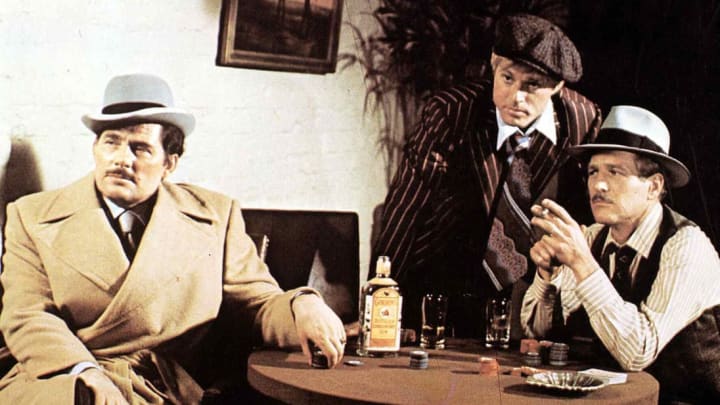
Robert Redford and Paul Newman reunited after Butch Cassidy and the Sundance Kid (1969) for this caper about two grifters who team up to pay back the mob boss (Robert Shaw) who killed their mentor. Like so many great con artist stories, the twists come so fast and furious that you’re not sure who you’re rooting for by the end of the film. But George Roy Hill maintains such an effervescent tone—buoyed by Marvin Hamlisch’s piano-driven score—that it feels like a victory just to watch these gods of 1960s and ’70s cinema work together.
8. Death Wish (1974)
Looking at Charles Bronson, previously represented here in Leone’s Once Upon a Time in the West, it’s easy to think of him as somebody who would absolutely mess you up if you crossed him. But in Michael Winner’s adaptation of Brian Garfield’s Death Wish, Bronson plays a mild-mannered architect who becomes an armed vigilante after his wife and daughter are assaulted by street thugs. Because crime was spiking in America at the time, the film inadvertently seemed to validate the idea of citizens meting out justice for themselves if the authorities would not; but whether or not the film was socially responsible, it was undeniably dynamic entertainment, producing multiple sequels, a remake in 2018, and several other adaptations of the source material.
9. Carrie (1976)
Brian De Palma adapted this Stephen King story into a monstrous treatise on a young woman’s blossoming femininity under the puritanical control of her ultra-religious mother. Sissy Spacek plays the luminous title character opposite a domineering Piper Laurie, while supporting turns from John Travolta, P.J. Soles, and frequent De Palma collaborator (and one-time wife) Nancy Allen as bullying schoolmates pave the way for a bloody, explosive finale where Carrie exacts her revenge on everyone who tormented her. The juxtaposition between Carrie’s tender adolescence and frightening powers set a horror template—and hinted at the genre’s potential for social commentary—for years to come.
10. Rolling Thunder (1977)
John Flynn directed this ice-cold sleeper about a Vietnam veteran who returns to a civilian life he doesn’t recognize, and that doesn’t want him—and he’s understandably not happy about it. William Devane plays Major Charles Rane, a seven-year prisoner of war who enlists fellow soldier Johnny Vohden (Tommy Lee Jones) to find the men who stole his homecoming reward and killed his wife and son, leading to a brutal showdown in a Mexican whorehouse. Coming off of Martin Scorsese’s Taxi Driver, co-screenwriter Paul Schrader takes his meditations on vigilante justice and the violence that lurks inside troubled men to operatic new peaks.
11. I Spit On Your Grave (1978)
Meir Zarchi wrote and directed this iconic film about a woman who exacts revenge on the four men who brutally raped her and left her for dead. It followed Wes Craven’s The Last House on the Left, but it quickly became a template for dozens of revenge films—in part because of its graphic violence, which earned I Spit On Your Grave a place of infamy even among the most gruesome horror movies on the 1970s.
12. Mad Max (1979)
The film that started a 40-year franchise (and counting), George Miller’s breakthrough film follows cop Max Rockatansky (Mel Gibson) in an Australian landscape “a few years from now” as he attempts to carve out a small piece of happiness while pursuing gangs that freely roam and terrorize ordinary citizens. After his wife and child are murdered, Max gets behind the wheel of his custom V8 Interceptor and hunts the murderers down one by one, showing them the same mercilessness that they showed his family. A great car movie, a great revenge movie, and a great start to one of cinema’s greatest and most enduring franchises.
13. 9 to 5 (1980)
Patricia Resnick co-wrote this timely comedy about three women working under the thumb of a sexist tyrant (Dabney Coleman) at a company where gender roles remain sadly regressive. Jane Fonda, Lily Tomlin, and Dolly Parton play the three put-upon employees of Coleman’s sleazy, credit-stealing boss; but it’s not until the three of them decide to exact revenge on him that its empowerment story truly takes off, forcing them to figure out a way to beat him at his own game—and better conditions for their fellow working women in the process.
14. Star Trek II: The Wrath Of Khan (1982)
Nicolas Meyer revived this minor character from the original Star Trek series for what would become the Enterprise crew’s greatest cinematic adventure: When Khan (Ricardo Montalban, embodying cunning evil) crosses paths with Captain Kirk (William Shatner) after being banished to struggle for survival on a lifeless planet, the two leaders lock into a battle of wills over Genesis, a terraforming device with infinite potential—including for absolute destruction. Kirk and Khan must not only outmaneuver but outthink one another as the Federation officer becomes the only thing standing in the way of a genetically-engineered tyrant.
15. The Princess Bride (1987)
Rob Reiner directed a script by William Goldman from his own book, and even as it deconstructs love stories, fairy tales, and storytelling itself, packed beautifully into the periphery of Wesley’s quest for a reunion with Buttercup is one of the most memorable revenge stories ever put on film. Watch as the noble, poetic Inigo Montoya (Mandy Patinkin) searches not only for the six-fingered man who killed his father, but for the opportunity to deliver a speech he’s been rehearsing for most of his life, announcing his intention to cathartically kill him.
16. Braveheart (1995)
Mel Gibson leveled up as a director after The Man Without A Face with this (heavily dramatized) true-life story about 13th-century warrior William Wallace, who became a freedom fighter for the Scottish people after English troops invaded his village and executed Murron (Catherine McCormack), his childhood sweetheart. Wallace’s journey escalates into a celebration of freedom from tyranny, but not before he becomes Public Enemy Number One under the rule of Longshanks’s son Edward (Peter Hanly), and eventually, attracts the interest of France’s Princess Isabella (Sophie Marceau). If learning what Scotsmen have under their kilts isn’t enough to make you want to watch this, consider that it ends with Gibson getting literally drawn and quartered.
17. The Limey (1999)
Steven Soderbergh was just on the cusp of making his commercial breakthrough when he directed this story of heavily-accented vengeance starring Terence Stamp, Peter Fonda, and Lesley Ann Warren. When Wilson (Stamp) shows up in the U.S. looking for the people responsible for his daughter’s murder, he ends up on the doorstep of a yellowing music producer named Terry Valentine (Fonda), but not before he develops a makeshift family of oddballs (including Warren and the great Luis Guzmán) in the process. Less aggressive but just as emotionally powerful as many other titles on this list, the film looks at the way one man’s revenge offers an opportunity for redemption after his own many failures.
18. Gladiator (2000)
Ridley Scott directed Russell Crowe to a Best Actor Oscar for his portrayal of Maximus, a Roman general betrayed by the conniving, jealous son (Joaquin Phoenix) of Emperor Marcus Aurelius (Richard Harris). When Maximus’s family is murdered and he is sentenced to death as a gladiator, the military mastermind slowly regroups among men of blood and sweat—a different army than he previously led—and bides his time to exact revenge while earning the adulation of the people of Rome, whose thirst for blood surpasses even Commodus’s (Phoenix) yearning for power. The disgraced soldier and the interim emperor soon find themselves on common ground as they battle for control of Rome with the entire city watching.
19. Memento (2000)
Christopher Nolan made his breakthrough with this film about Leonard Shelby (Guy Pearce), an insurance investigator searching for the man who raped and murdered his wife and gave him anterograde amnesia, permanently preventing him from making new memories. Unfolding in reverse chronological order to peel back the layers both of the crime and Leonard’s fractured investigation, Nolan’s film explores unique ideas about the ways that revenge fills a need—sometimes an unhealthy one—in people after the incident that inspires it, while offering a whodunit that arrives at a conclusion that seems inevitable but you will almost certainly not see coming.
20. In The Bedroom (2001)
Director Todd Field tells this unforgettable story about two parents (Sissy Spacek and Tom Wilkinson) whose life erupts in violence after their son (Nick Stahl) falls into a relationship with a divorced older woman (Marisa Tomei). When the divorcée’s ex-husband Richard (William Mapother) resorts to increasingly desperate measures to interject himself into his ex-wife’s life, Ruth (Spacek) and Matt (Wilkinson) find themselves reckoning with the repercussions of their son’s choices and Richard’s subsequent actions, leading to acts of retribution that no one could have anticipated—and neither parent is prepared to come to terms with.
21. Ocean’s Eleven (2001)
It’s easy to forget that a movie this fun and surprising all comes down to the motive that connects with the rest of the titles on this list, but Soderbergh’s remake of the 1950s Rat Pack classic is built as much on Danny Ocean’s (George Clooney) lingering love for his estranged wife Tess (Julia Roberts) as the wattage of its cast of stars. Everything that happens leading up to that revelation is just a good bit of fun to put mud in the eye of Terry Benedict (Andy Garcia), Tess’s new lover, but that doesn’t mean that it isn’t the most fun you’ve ever had hanging with Hollywood royalty in the meantime.
22. Kill Bill Vols. 1 & 2 (2003, 2004)
We’re combining parts one and two here not to further fuel a debate about whether they’re two halves or a whole, but to make room for one more great revenge movie elsewhere on this list of standard-bearers. One imagines that Vol. 1 was probably exactly what Quentin Tarantino had in mind when he conceived this star vehicle for his longtime friend and collaborator Uma Thurman, as it allowed her to showcase both her extraordinary acting skills and physicality. But as is often the case with his films, Vol. 2 became the reason for its predecessor to exist, taking The Bride’s quest for vengeance to unexpected places while providing her character with a profound emotional arc for a woman fulfilling training to turn her into an ice-cold killer.
23. Oldboy (2003)
Park Chan-wook’s 2003 film follows a wildly intriguing premise—a man wakes up in a hotel room he cannot escape and has no idea who imprisoned him, or why—and weaves one of the most brutal and transgressive revenge stories ever told on film. Choi Min-sik plays Oh Dae-su, a businessman who gets released from this mysterious imprisonment after 15 years and goes looking for revenge against his unknown captors. Along the way he eats some live seafood and battles a small army of attackers with a hammer, and finally, develops a relationship with Mi-do (Kang Hye-jung), a young woman whose connection to him and the people who first detained him forms a twisted web of forgiveness, retribution, and self-destruction.
24. Gone Girl (2014)
Working from a script adapted by Gillian Flynn from her own novel, David Fincher directs this mystery-thriller about a wife named Amy (Rosamund Pike) whose murder immediately points to her husband Nick (Ben Affleck) as the perpetrator, only for an increasingly complex and twisted truth to emerge between these spouses in their deeply dysfunctional relationship. Splitting the film into two halves, Fincher offers one perspective, and then the opposite, exposing their ambitions, failures, and insecurities as he binds them together in a Faustian bargain that neither wants to be part of, but cannot escape without the world condemning them both.
25. John Wick (2014)
Even if you don’t quite agree with his actions, it’s impossible not to empathize with John Wick’s motives: When low-level mobsters kill the puppy his late wife bequeathed to him, he leaves a path of destruction in the search for their boss. Keanu Reeves blasts and breaks his way through room after room of luckless enforcers en route to the kingpins desperately trying to stop him from bringing down their empire, one bullet to the head at a time, while director Chad Stahelski stages dizzying action scenes that bring John’s wrath down with brilliant, blinding force.
A version of this story originally ran in 2021; it has been updated for 2023.
Related Tags
9 Slang Words From the 1980s We Still Use Today
The decade of MTV, shoulder pads, and big hair gave us some of our favorite and most expressive words.
ByLogan DeLoye|Nov 9, 2026, 6:00 PM EST
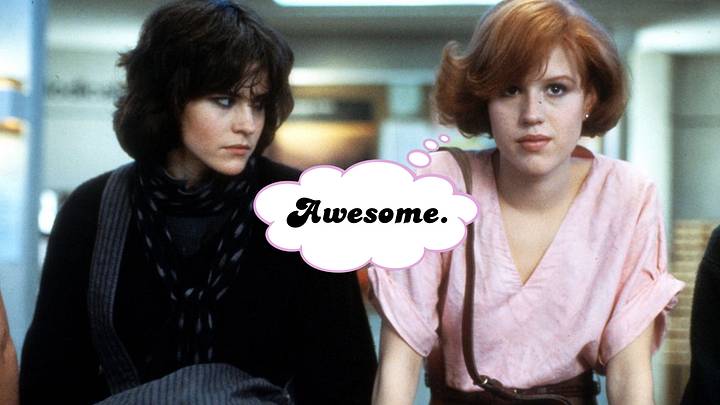
The ‘80s were tubular; each year made a bold, colorful statement in music, movies, style, and slang.
It’s hard to believe the decade of cult-classic blockbusters, big hair, MTV, and shoulder pads began almost 47 years ago, though some trends have made a comeback in the 2010s and 2020s, like high-waisted jeans and neon-colored clothing.
The ’80s are remembered for next-generation technology: the Sony Walkman, VHS tapes, boomboxes (cue John Cusack), CDs, camcorders, and the Nintendo Entertainment System.
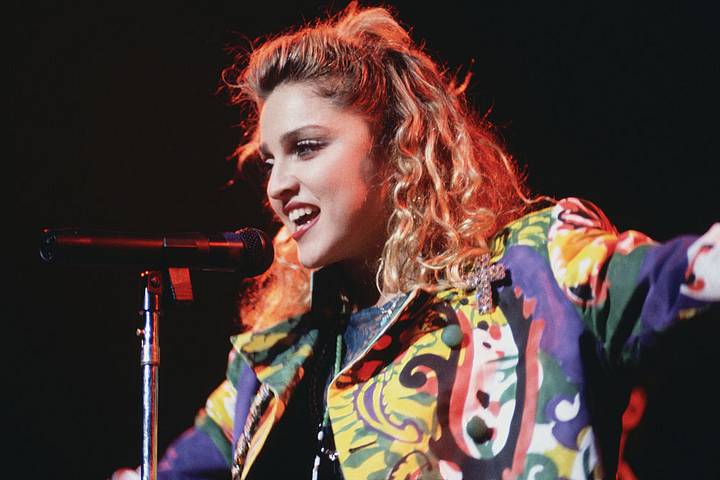
Hair was always teased, and hairspray was a non-negotiable for men and women. Music videos took over pop culture; Michael Jackson had us dancing with Billie Jean, and Madonna invited material girls to live in a material world.
Movies that remain beloved, including Ferris Bueller’s Day Off, E.T. the Extra-Terrestrial, Back to the Future, Top Gun, The Breakfast Club (or really anything with Molly Ringwald), Ghostbusters, Raiders of the Lost Ark, and Return of the Jedi, lit up theater marquees in the ’80s.
Beyond fashion, media, and tech, the ’80s also gave us several slang terms. Some faded as soon as they arrived, while others stuck around.
According to Your Dictionary, here are nine ‘80s slang words we still use today.
CRUSING
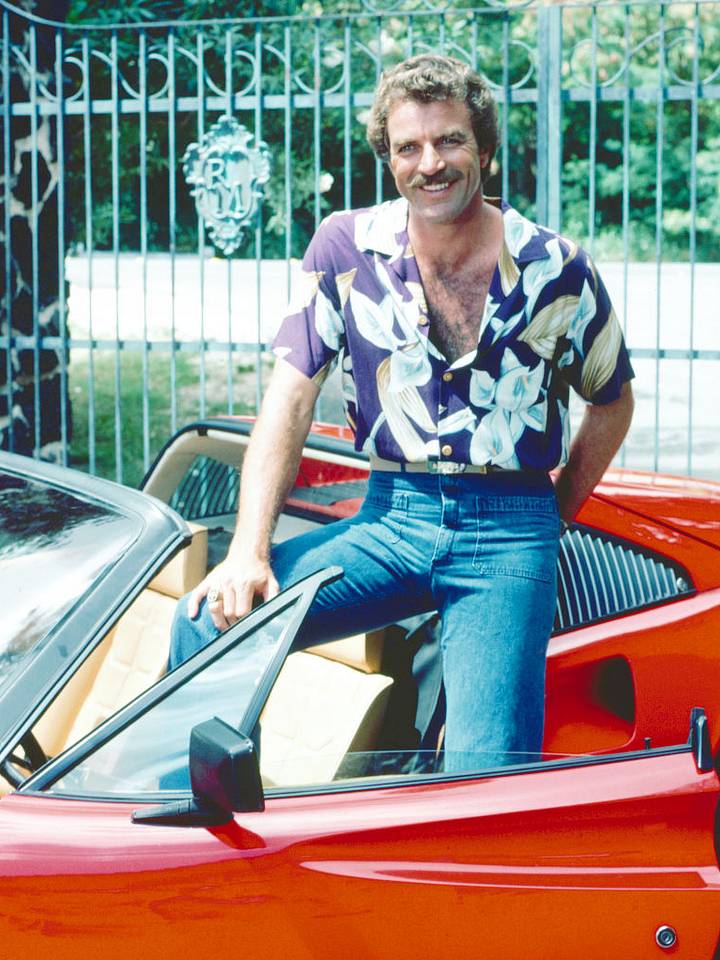
Definition: “To travel without destination or purpose.”
In a sentence: He asked if I wanted to take a drive, and we went cruising all night.
“Cruising” in the 1980s meant enjoying a long drive with nowhere specific to go. If someone invited you to “cruise” or said they were out “cruising,” you knew they were driving around aimlessly.
In 2026, “cruising” still describes a leisurely drive without a destination, just for fun.
HARSH
Definition: “Unpleasant and difficult to accept or experience, physically discomforting, overly intense.”
In a sentence: The bar was filled with smoke and the harsh smell of cigarettes.
The word “harsh” has always sounded, well, unpleasant, so it’s no surprise its meaning took on the same tone. Since the ’80s, people have used harsh to describe something uncomfortable or intense.
In 2026, we use it the same way, whether we’re talking about someone’s actions, a tough experience, or something extremely unappealing, like a bright light shining right in your face.
AWESOME
Definition: “Terrific, extraordinary.”
In a sentence: I listen to that song on repeat; it’s awesome!
Awesome is one of those words that has never lost relevance. The ’80s popularized it as the go-to way to describe something amazing or exceedingly cool.
In 2026, people of all ages still use “awesome” to express excitement about something (or someone) extraordinary.
FOR SURE
Definition: “Without doubt or question, certainly.”
In a sentence: He was the nicest person I ever met, for sure.
The slang “for sure” is another classic that has stuck around, and hopefully always will. In both the 1980s and 2026, it’s an easy way to say “of course,” often to reassure someone or dispel uncertainty. Sometimes a casual “for sure” is just what someone needs to hear in an anxious moment.
OUTRAGEOUS
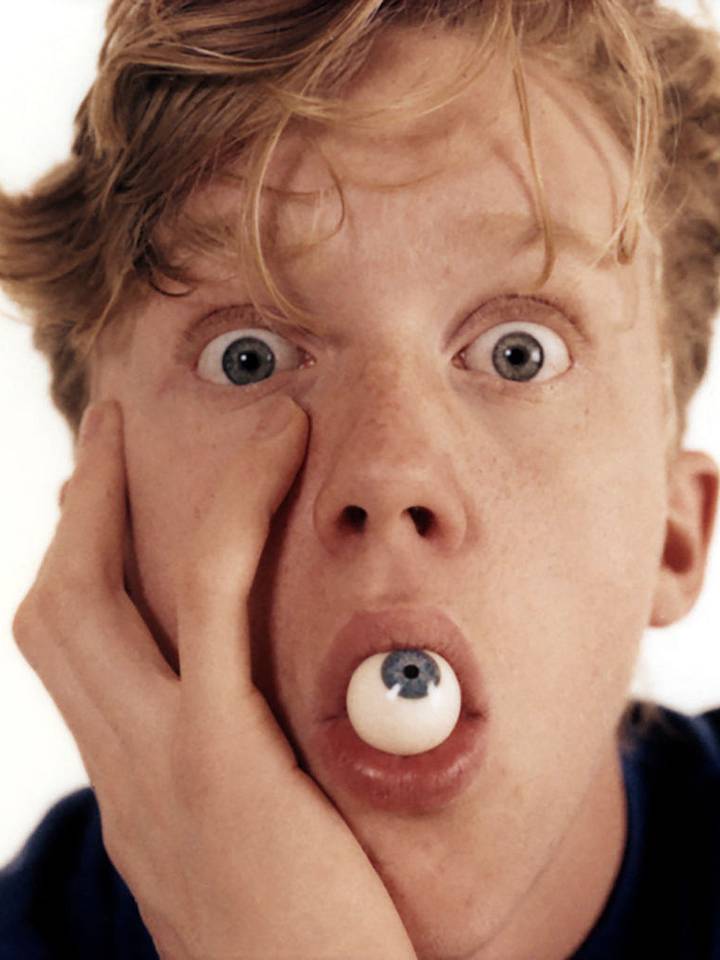
Definition: “Not conventional or matter-of-fact, exceeding the limits of what is usual.”
In a sentence: People wore outrageous costumes to the concert, and don’t even get me started on the band.
Outrageous is a fun, expressive word that spices up any conversation. In the ’80s, it described something so bold or abnormal that it was actually cool. In 2026, we use it less as a compliment and more to denote something shocking, but the basic meaning remains.
BURN OUT
Definition: “Exhaustion of physical or emotional strength or motivation, usually as a result of prolonged stress or frustration.”
In a sentence: She worked so hard that she was afraid she would burn out before the Q4 meeting.
“Burn out” is so common today that we forget people used it to describe the same feeling in the ’80s. Someone who was burnt out was totally exhausted and just over it.
In 2026, we use “burn out” to describe how we feel after a long workday, or maybe a trying year that’s absolutely depleted our motivation. Anything that leaves someone feeling overly drained (work, a conversation, or a hobby) is an example of burnout.
WHOA
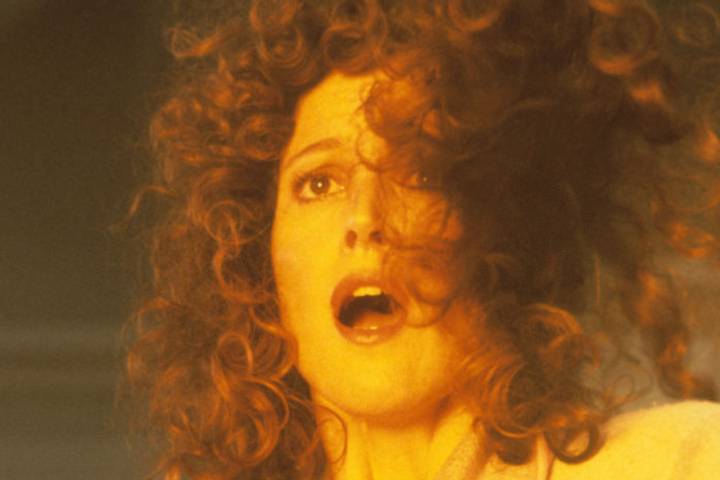
Definition: “Pause to consider or reconsider, often used to express a strong reaction.”
In a sentence: Whoa, that is one fun pair of sunglasses!
Whoa, like many words on this list, has definitions that couldn’t be more different. Centuries ago, people riding horseback or steering carriages used “whoa” to slow or stop the horses.
In the 1980s, “whoa” became an exclamation of surprise or intense reaction, both pleasant and unpleasant. In 2026, we say “whoa” to express excitement, surprise, or concern, depending on the instance.
CHILL
Definition: “Having a laid-back style or easy demeanor; having a relaxed style or manner.”
In a sentence: He wanted to go to the mall, but I had a long day and just wanted to chill.
“Chill” has lots of meanings, both formal and informal. In the ’80s, it broke away from its “cold” definition and became slang for someone or something calm, laid-back, or relaxing.
In 2026, we still use “chill” to describe someone who’s low-key, or to relay when we want to unwind.
EXCELLENT
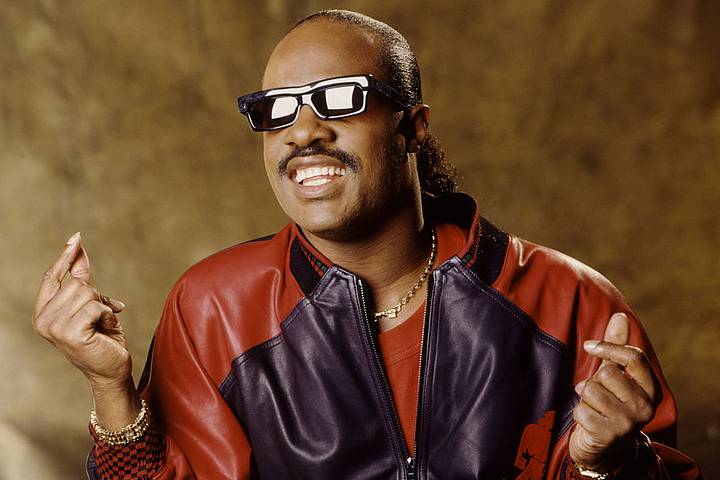
Definition: “Very good of its kind: eminently good.”
In a sentence: She had an excellent taste in music, especially when it came to R&B.
According to Merriam-Webster, “excellent” may not have been invented in the ’80s, but the decade surely made it a household word. Back then, people used “excellent” to describe something very good.
In 2026, we use “excellent” when “good” or “great” doesn’t fully explain how we feel.
Read More:
•
20 Everyday Things From the ’80s and ’90s That Are Now Worth Money
•
80 Totally Awesome Facts About the ’80s
•
7 Misconceptions About the ‘80s
The Original Name for ‘Sesame Street’ Wasn’t Nearly as Catchy
The beloved show’s first title was the name of an actual street in the East Village.
BySabrina Reed|Nov 10, 2026, 12:00 PM EST
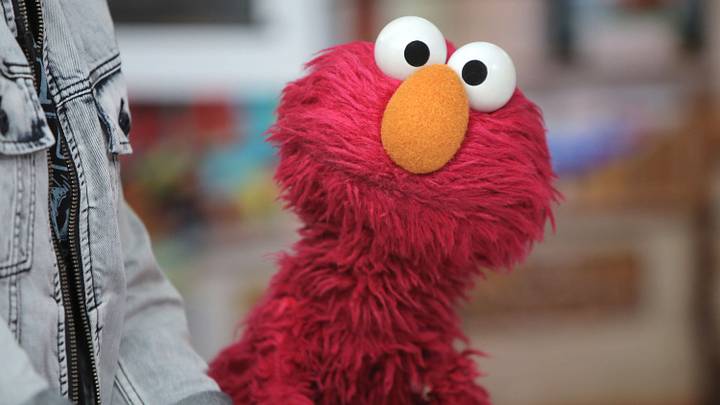
Can you imagine a world where Sesame Street is called 123 Avenue B?
Before the beloved children’s educational program was launched on November 10, 1969, that was the name co-creators Joan Ganz Cooney and Lloyd Morrisett were weighing with their team.
While the original show title doesn’t quite roll off the tongue, it is fun to say. Most importantly, it connected the series to New York City, the diverse populace Sesame Street would draw inspiration from in its design, character representation, and understanding of the world around it. But 123 Avenue B was deemed too on the nose because it’s an actual street in Alphabet City located in the East Village near the Lower East Side.
Naming the Street: From Alphabet City to Sesame

For a series sponsored by letters and numbers, Alphabet City would have been the perfect place to set the program. However, in choosing to name the show after a fictional street, a new idea took shape.
Sesame Street gets its name from “open sesame,” the phrase popularized by Antoine Galland’s translation of “Ali Baba and the Forty Thieves” from One Thousand and One Nights. In the story, the thieves use the phrase to open the secret entrance to their treasure trove. According to Sesame Workshop, the word ‘sesame’ is meant to invoke “a street where neat stuff happens,” and that’s exactly what the show has come to embody.
A Street Where Learning Happens
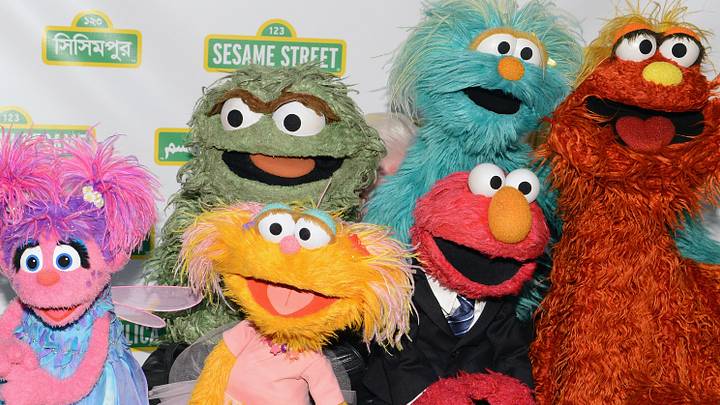
60 years ago, in 1966, the series was simply a thought based on the question of whether a television program could educate children. Cooney worked for the local PBS station, WNET THIRTEEN, as a documentarian. With the support of Morrisett, who was vice president of the Carnegie Corporation of New York, she conducted a study that spanned three months—The Potential Uses of Television in Preschool Education. Cooney interviewed early learning experts as well as children’s television producers and filmmakers to answer this question, and it became the basis for Sesame Street and the Children’s Television Workshop (now known as the Sesame Workshop).
The series is the first preschool program to blend education and entertainment to teach children basic skills through play, pretend, and storytelling. Young viewers learn and practice their alphabet and counting. They also expand their reasoning ability and strengthen their literacy through the show. Sesame Street incorporates topics on health, science, art, music, and dance. It helps parents develop their child’s social skills and healthily navigate their emotions as well.
Since 1969, the show has broadcast daily and remained committed to taking a multicultural approach to discussing and teaching about the diverse world its characters and audience live in. More than 300 PBS stations carry the program, and it’s available on Netflix and YouTube. The series has been watched by hundreds of millions of children across the world in more than 140 countries. Per Sesame Workshop, “Indigenous co-productions reflecting local languages, customs, and educational needs have since been produced for audiences in the Arab world, Israel, India, Indonesia, Bosnia, Portugal, Turkey, Germany, France, Poland, Norway, Sweden, Holland, Russia, China, South Africa, Egypt, the Philippines, Canada, Spain, and Latin America.”
Finding Sesame Street in the Real World

Though Sesame Street is fictional, and Alphabet City didn’t become its home, it is actually possible to visit. The show itself is filmed in Astoria, Queens, at Kaufman Astoria Studios. But if you want to take a picture beneath its sign in New York City, you’ll need to go to the block of West 63rd Street between Central Park West and Broadway in Manhattan on the Upper West Side. That’s where the official “Sesame Street” is located, right next to Sesame Workshop’s headquarters.
In 2019, Mayor Bill de Blasio bestowed the address on the series for its 50th anniversary. It’s possible to reach Sesame Street by subway, just like you can in the program. So, if anyone asks, “Can you tell me how to get to Sesame Street?” you can say yes and show them the way.
Read More:
•
Why ‘Sesame Street’s Oscar the Grouch Was Originally a Different Color
•
50 Fun Facts About ‘Sesame Street’
•
10 Bizarre Sesame Street Fan Theories