
ByStacy Conradt|Jul 24, 2024, 12:45 PM EDT
 Add us as a preferred source

Whether it’s becoming Wonder Woman or, you know, Oprah, many beauty queens have parlayed their time on the pageant circuit into bigger things.
1. Oprah. Her first stop on the road to world domination? Winning Miss Black Tennessee in 1972.
2. Cloris Leachman. The Des Moines native participated in the 1946 Miss America pageant as Miss Chicago.
3. Sarah Palin. She was crowned Miss Wasilla in 1984 and then went on to compete in the Miss Alaska pageant, where she placed third. You can see her compete in the talent competition with her flute and a mean rendition of “The Homecoming” by Nathan Hardy.
4. Lynda Carter. Even though Lynda Carter won the Miss World USA title in 1972, being Wonder Woman is cooler.
5. Halle Berry. Halle represented the U.S. in the Miss World competition 14 years later. Although she finished sixth, she does hold Miss Teen All-American and Miss Ohio titles.
6. Diane Sawyer. As ‘America’s Junior Miss,” Diane Sawyer got to promote Coca Cola at the New York World’s Fair in the 1960s.
7. Vanna White. The world’s most famous letter turner started out as a runner up for Miss Georgia USA 1978. She showed up as Pat Sajak’s cohort just four years later.
8. Michelle Pfeffier. As Miss Orange County 1978, Michelle Pfeiffer turned it out in feathered hair and a tank top.
10. Delta Burke. As Miss Florida 1974, Suzanne Sugarbaker’s alter ego got to compete in the Miss America pageant. Her talent apparently didn’t impress the judges—she did a dramatic reading about Anne Boleyn with a decidedly Southern twang—but she did win Miss Congeniality.
Other title holders include Kathie Lee Gifford (Maryland’s Junior Miss 1970), Raquel Welch (second place in the 1957 Miss Southern California pageant), Michelle Yeoh (Miss Malaysia 1983), and Jeri Ryan (Miss Illinois 1990).
A version of this story ran in 2011; it was updated in 2024 to fix broken images.
Related Tags
6 Foods Families Really Ate During the Gilded Age
That lavish spread you saw in ‘The Gilded Age’? From towering aspics to sea turtle soup, high society’s favorite dishes weren’t a Hollywood creation, but actual history.
ByNitya Rao|Nov 7, 2026, 8:00 PM EST
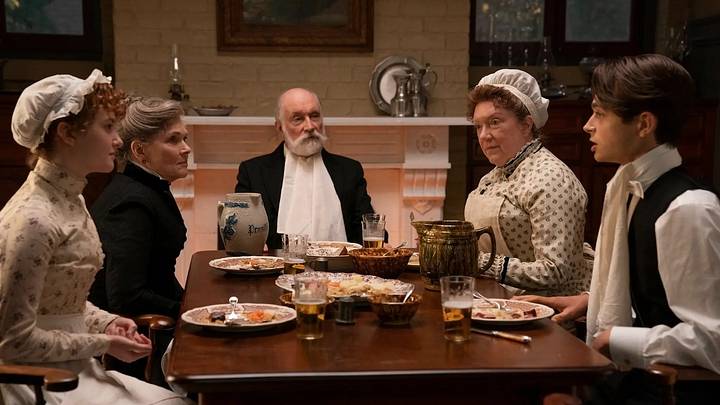
If “you are what you eat,” then you might want to rethink “eating the rich.” From our history books to the HBO series The Gilded Age, records and recreations show that the wealthiest Americans often ate foods that would make a poor man’s plate look a lot more appealing.
The Gilded Age shows that not everything that glitters is gold. This flashy period between the 1870s and 1900 was fueled by new money at the hands of tycoons like Vanderbilt and Carnegie—fortunes that embossed New York’s Fifth Avenue and Newport, Rhode Island, in glitz and gold leaf. The era was a snapshot of America’s elite that included clifftop “cottages,” lavish balls, and… tureens of turtle soup?
That’s just one of the delicacies that graced Gilded Age tables. While the servants and working class—like the show’s Mrs. Bauer and Jack Trotter—ate far simpler fare and leftovers, the upper crust’s menu was a lot more eclectic.
From oysters on the half shell to meat jelly, here are five foods families really ate during the Gilded Age that you may or may not see on season 4 of HBO’s namesake show.
Celery
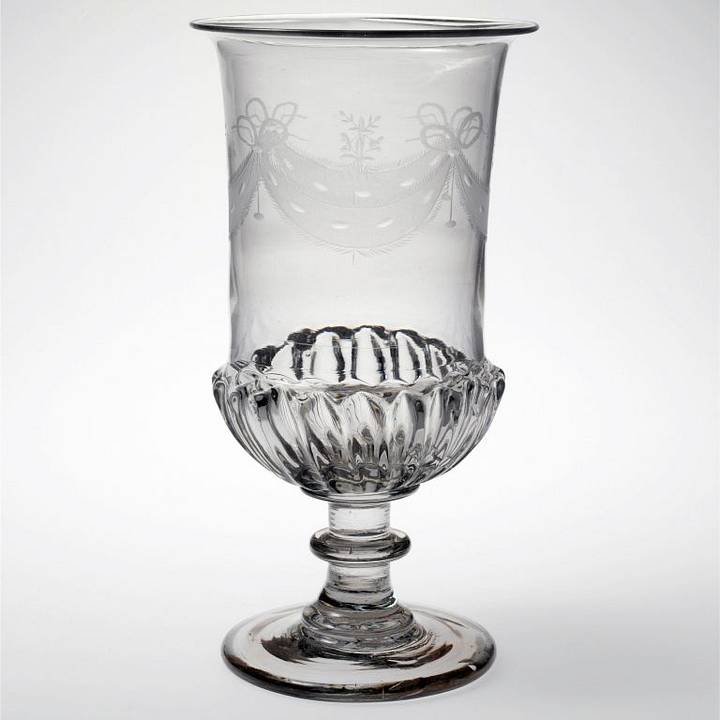
Today, we see celery as nothing more than the free side given with chicken wings. But back in the Gilded Age, this crunchy, watery vegetable was the centerpiece of the meal—literally. 19th-century aristocrats even had decorative glass “celery vases” made to hold the hard-to-grow stalks, displaying the unlikely status symbols upright for all to see. As celery production increased and its price decreased, Gilded Age chefs began experimenting with the vegetable in the kitchen—braising it, dressing it in mayo, and more.
Oysters

No trip to Newport is complete without stopping by Midtown Oyster Bar for a dozen on the half shell, and back in the Gilded Age, high society was just as obsessed. Much like lobster, oysters had a humble beginning as a working-class staple across 19th-century coastal cities. They were shucked and slurped down by maritimers on the streets of New York long before becoming an elegant appetizer on Gilded Age menus. From raw oysters on sparkling beds of crushed ice to decadent baked preparations like Oysters Rockefeller, the modest mollusk underwent one of the greatest glow-ups in culinary history.
Turtle Soup
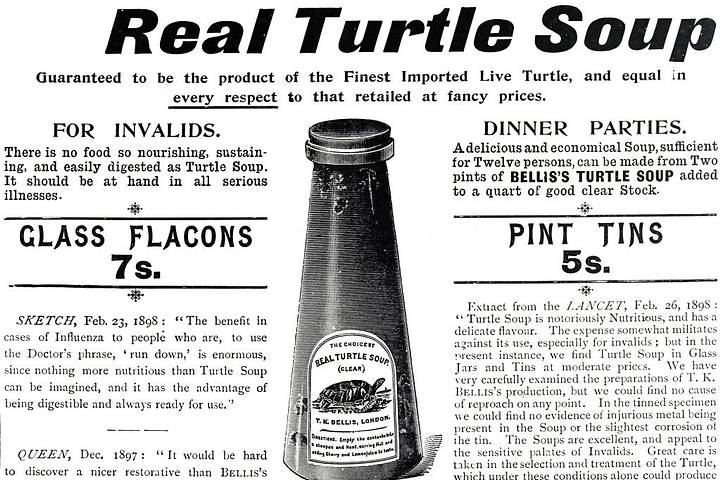
On The Gilded Age, most meals start with the clink of silver spoons against porcelain bowls. Menus from Gilded Age establishments like Delmonico’s and period etiquette magazines back up this soup starter standard. An excerpt from Godey’s Lady’s Book on how to throw a proper dinner party goes as follows: “Commence dinner with raw oysters, then a choice of one or two soups.”
The soup du jour wasn’t always lobster bisque or cream of celery, though. A luxury at the time—and a dish rarely seen today due to strict conservation protections—turtle soup was all the rage in the Gilded Age. Chefs favored the diamondback terrapin, a turtle found from Cape Cod down the Gulf Coast. Whether eating out at a fine dining establishment in the city or hosting an intimate dinner party, these turtles were boiled, chopped, and finished with a swish of sherry before landing on high-society tables in the 1880s and ’90s. That is, until overhunting almost wiped the creature out by the 1910s, sending prices soaring and pushing the dish off most menus.
Aspic
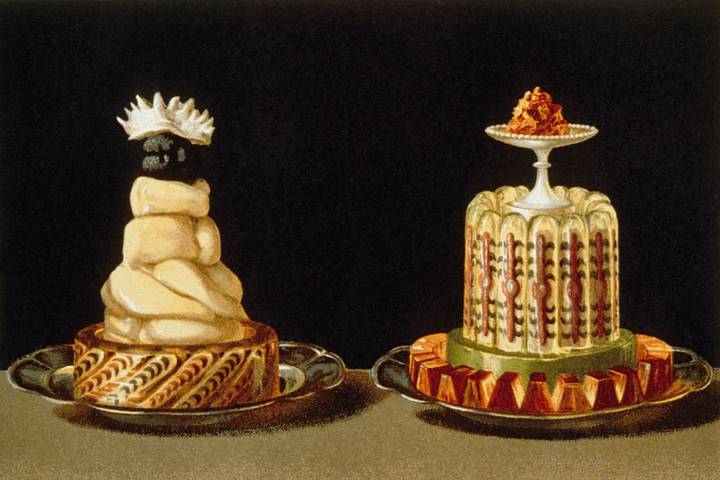
Before 1950s housewives discovered Jell-O molds, Gilded Age kitchens were constructing towering aspics that served as equal parts savory centerpiece and sign of a master chef. These edible gelatinous sculptures—which migrated from Europe and were made from boiled animal bones before powdered gelatin was popularized in the late 1800s—contained meat, fish, produce, and eggs suspended in translucent broth like an edible display case. Served midway through formal multi-course banquets, colorful aspic creations were more of an art form than the cold course they were presented as.
Charlotte Russe

You might recognize the name from the popular 2000s women’s clothing store, but unlike the store, this sweet, berry-topped cake wasn’t always made for the masses. Concocted by French chefs in the late 18th century and said to be named in honor of Queen Charlotte, Charlotte Russe cake—a tower of ladyfingers surrounding cold Bavarian cream or custard and berries—was the creme de la creme of Gilded Age dessert spreads.
While the nouveau riche enjoyed decadent riffs, sometimes even decked out with a decorative ribbon, the treat eventually evolved past wedding breakfasts and banquets of the elite. Decades later in the 20th century, the spongy sweet shifted from the white tablecloths of Delmonico’s to the streets of Brooklyn, where pushcart vendors served simplified versions out of cardboard cups to working-class New Yorkers.
Read More:
•
6 Foods Families Really Ate During the Middle Ages
•
6 Foods Families Really Ate in the Times of ‘Little House on the Prairie’
•
What Did People Eat for Breakfast in Colonial Williamsburg?
•
5 Foods Families Really Ate During the Black Death
Why Veterans Day Was Originally Called Armistice Day
The holiday went from honoring those who ended one war to honoring those who fought to end every war.
ByChelsea Thatcher|Nov 10, 2026, 10:00 AM EST
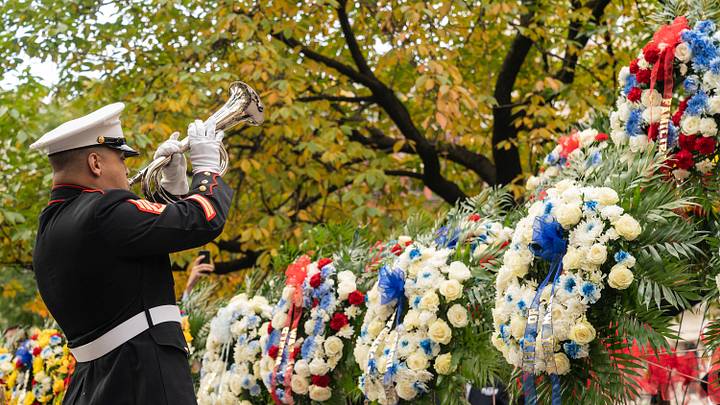
November 11 is Veterans Day, the national holiday commemorating those who have served in the military. It is often confused with Memorial Day, which honors those troops who were killed or died from injuries caused by the wars they fought in, but Veterans Day is more about showing gratitude to the living troops who served. But the holiday didn’t originally include veterans of all wars.
To celebrate the end of World War I, the U.S. implemented a new holiday called Armistice Day. It wouldn’t become Veterans Day for a couple of decades, after more wars had taken place and more soldiers were coming home needing support. It became important not just to commemorate those who fought to end one war, but those who fought in other wars and those who served outside of wartime, working to maintain peace.
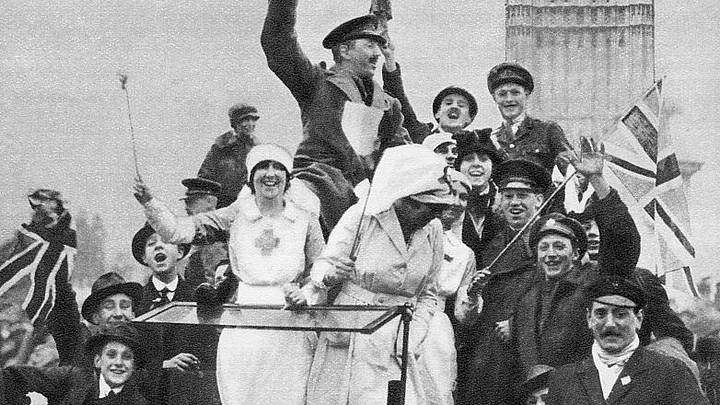
World War I Armistice
On November 11, 1918, World War I effectively came to an end as the Allies and the Germans agreed to an armistice. The word armistice comes from the Latin “arma,” meaning weapons, and “sistere,” meaning to halt or bring to a standstill. So, while World War I is officially recorded as ending in June 1919 with the Treaty of Versailles, the actual combat ceased in the previous November.
Armistice Day was first celebrated in November 1919, just months after the Treaty of Versailles. In 1926, Congress passed a resolution to officially name November 11 Armistice Day, and in 1938 it was made a national holiday. Britain also made November 11 a holiday, opting to name theirs “Remembrance Day,” to honor soldiers of all wars, not just World War I. America didn’t know it yet, but our country would adopt that same idea after participating in other major wars.

Honoring All Veterans
After World War II (1939-1945) and the Korean War (1950-1953), the United States wanted to honor the soldiers who fought in these wars as well as World War I. In 1954, instead of creating separate holidays for each war, Congress voted to strike the word “Armistice” from the official legislation and replace it with “Veterans.” President Dwight D. Eisenhower signed the resolution, legally changing the name to Veterans Day.
Since then, the U.S. has fought several more wars, including the current Iran War. Each November 11, any man or woman who served in the United States military, in wartime or peacetime, is to be honored for their hard work and dedication to our country. This does not include active-duty members, and many of them will ask that you not give them special attention that should go to those who previously served. You can thank active-duty members on Armed Forces Day, the third Saturday in May, or any other day of the year.

How to Honor and Support Veterans Now
As culture and politics have evolved in the U.S., veterans began to be treated terribly. The Vietnam War, which had many critics, saw soldiers returning home to be mocked, harassed, and threatened. The following wars also saw a lack of respect for those who fought to protect the country. Leaders and governments that should have taken accountability for wartime errors have often been quiet as veterans became scapegoats.
Thanking veterans for their service on Veterans Day is a good start, since there are troops who come home and never receive gratitude. But it’s not the only thing we can do to support these men and women. Donating to organizations like the Wounded Warrior Project, DAV, or the Gary Sinise Foundation helps veterans get medical care, housing, and other needs met. Honoring those who served is best done by taking care of them when it’s time for them to rest.
Read More:
•
11 Things to Remember This Veterans Day
•
11 Honorable Ways You Can Help Veterans
•
The Kansas Shoe Repairman Responsible for Veterans Day
The Real Medieval Wedding Tradition That Feels Straight Out Of Westeros
While ‘Game of Thrones’ showed the worst side of the bedding ceremony in its third season, the historical tradition is a little more complicated.
ByMeagan Bojarski|Jul 8, 2026, 12:00 PM EDT
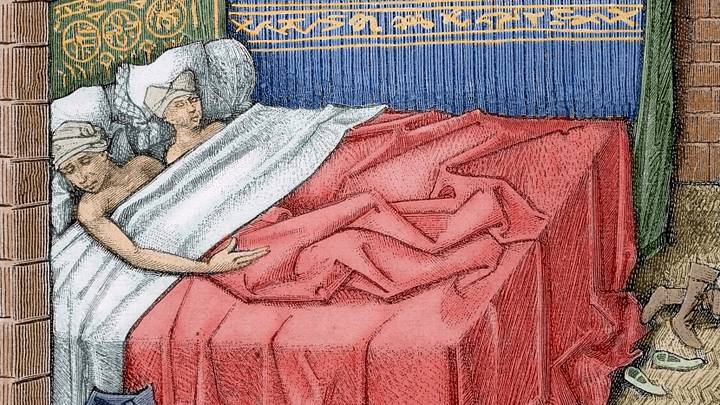
George R. R. Martin created a rich world for the A Song of Ice and Fire franchise, filling his stories with mystical creatures, religious orders, and political intrigue. But while much of his success can be credited to his imagination and encyclopedic worldbuilding skills, the world of Westeros also owes a lot to history. The overarching plots of both Game of Thrones and House of the Dragon are based on periods of English civil war, and many of their cultural elements come from real medieval traditions.
One element that fans might have hoped was invented is the bedding ceremony, during which the bride and groom are publicly escorted to their marriage bed to consummate their union. This featured heavily in Season 3 of Game of Thrones, when Joffrey tried to force a bedding ceremony upon Sansa and Tyrion, and Walder Frey joked that, “A sword needs a sheath, and a wedding needs a bedding.”
As crudely as it was presented in the fantasy franchise, however, the bedding ceremony was a real part of medieval weddings, for nobility and commoners alike. Versions of the ritual were practiced across Europe, serving an important role in welcoming newlyweds into the next stage of their lives.
Medieval Marriage
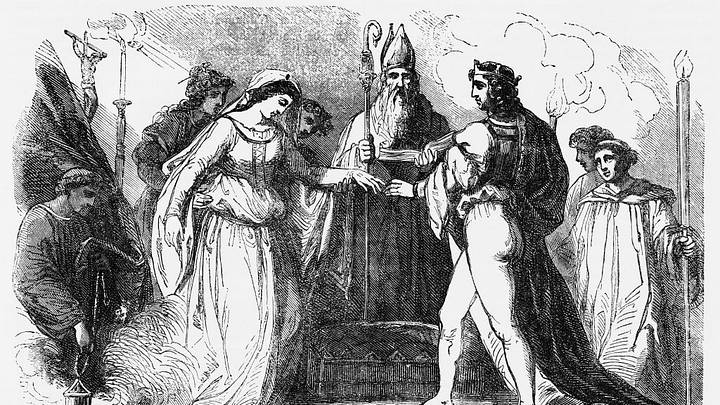
While marriage is considered a legal transaction in the modern era, it was a far looser system in the medieval period. The Catholic Church only required the two participants to freely consent to be married. Since God was the highest authority, He would witness any sincere commitments and accept them as a wedding. By that standard, however, anybody could claim to be married to anyone else. Thus, many kingdoms created their own standards of proof for weddings. While they generally weren’t required for a couple to get married, they were vital if the marriage was later contested.
There seemed to be two primary methods here. The first was having a public wedding ceremony, where witnesses could be called to testify if the marriage was later questioned. The second required consummation. In Scotland, sex between two unmarried persons could constitute a wedding if the act was witnessed by a third party. In that case, someone (intentionally or not) finding the two in bed would suffice as proof of marriage.
The requirements for marriage became codified over time, but the uncertainty that had existed in the early medieval period made many young couples look for ways to prove their marriages, both to ensure the legitimacy of their children and to prevent young women from being promised a marriage and then cast aside. The bedding ceremony was one such method, and it became so common that some countries required the ceremony to take place with a certain number of witnesses in order for the marriage to be legally binding.
The Bedding Ceremony
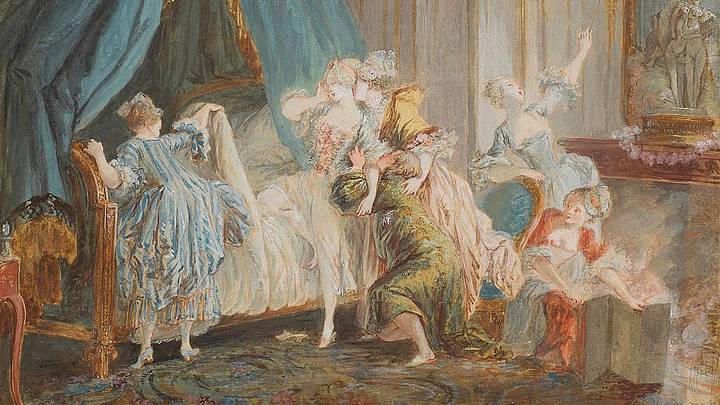
The bedding ceremony had some variations, but the general process involved the wedding guests (or a smaller group of family and friends) escorting the bride and groom to a shared bedroom. In some traditions, they would fully undress the newlyweds, while in others, they would merely remove their external garments. Finally, the couple would be put into the bed together, with the covers generally drawn over them to symbolize the expected consummation.
Once in bed, the ritual diverged sharply, depending on the time period and culture. In the sixteenth century, a Swedish bedding ceremony might feature friends and family eating and drinking wine with the newlyweds, while a British version might involve a stocking-throwing game that appears to be a precursor to modern bouquet and garter-tossing activities.
The most intrusive version of this tradition involved the wedding guests either watching or listening to the consummation in order to prove that it happened, but there isn’t much evidence of that happening often. In fact, some German sources explain that the guests would party loudly in order to give the couple more privacy.
Some couples did perform the expected activity, rejoining the party to roars of approval, but it was not a requirement. There are multiple known cases of royals not immediately consummating their marriages despite performing the bedding ceremony, including both Louis XVI of France and his father, Louis Ferdinand.
When the sanctity of the union was considered particularly important, there may be an additional part of the ceremony that would take place after the couple left the bedroom. Under the belief that virgins would bleed the first time that they had sex, some courts would display the bloodied sheets as proof of both the consummation itself and the bride’s virginal status. This was especially important when the couple was expected to produce heirs as quickly as possible.
What was the purpose of this tradition?
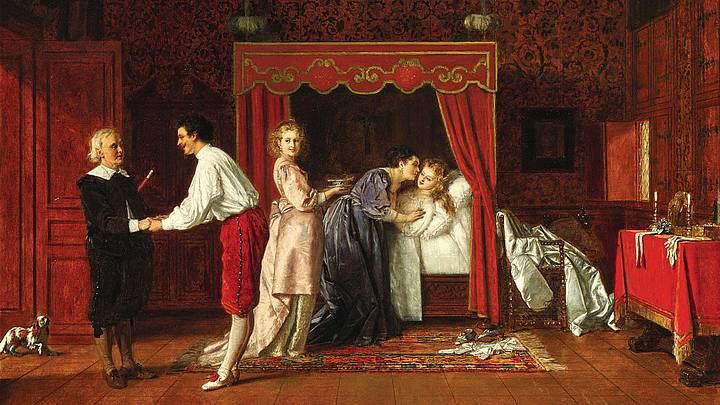
The bedding ceremony seems like an antiquated, perverse custom today, so many people assume that it was one of those weird things that only royalty did. But there’s actually evidence to suggest that both commoners and nobility practiced some version of the ceremony across Europe. With this in mind, it seems highly unlikely that they viewed it as negative or invasive.
The most overt purpose of the bedding ceremony was legal. In many cultures, a marriage was not considered binding until it was consummated. The bedding ceremony was a legally recognized proof of consummation, even if nobody witnessed the act itself. This protected the bride from being easily cast aside with an annulment, as the witnesses who were involved in the bedding ceremony could vouch for the marriage having been consummated.
A similar ritual, called yichud, takes place during Ashkenazi Jewish weddings, where the couple is given alone time together after the wedding ceremony. While this time might be used for consummation, it also demonstrates the change in status between the bride and groom. Religious custom would have prevented them from spending private time together before the wedding, so the yichud marks the transition that allows them to be alone together in the future. Similarly, the bedding ritual more broadly involved the woman’s family effectively giving her permission to share a bed with a man without attracting judgment.
On a more social level, the bedding ceremony was a way for the community to show their support for the newlyweds. Priests would often bless the wedding bed and the marriage; loved ones would offer advice; and witnesses would offer the bride and groom wine to calm their nerves. By having so many people involved in the ceremony, the community effectively told the couple that they weren’t on their own. This is actually a comforting perspective, given that so many modern weddings imply that the bond between the couple severs or supersedes any pre-existing relationships.
A Caveat, for Underage Marriage
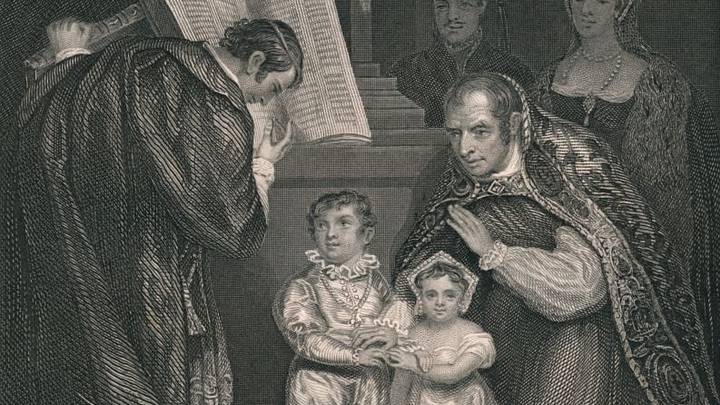
While the bedding ceremony was especially important in the case of royal marriages, there were circumstances where it wouldn’t be considered appropriate. Royals were often betrothed from a very young age to cement alliances, but those agreements were not ironclad. Changing political climates could drastically change an intended marriage.
As an example, Mary Tudor, eldest daughter of King Henry VIII, was betrothed to the French dauphin when she was only two years old. That engagement was then broken off so she could marry the Holy Roman Emperor. Due to both changing international alliances and her questionable legitimacy after her parents’ marriage was annulled, Mary didn’t end up marrying either of her childhood fiancés.
In order to prevent a political engagement from falling apart, monarchs would occasionally marry their children off before they came of age. However, it was generally considered wrong to actually consummate the marriage before the bride had at least begun menstruating. In this case, one of two systems was used. Either the wedding would feature a bedding ceremony in which nobody expected the couple to consummate, as was the case in the marriage of 9-year-old Mary Stuart and 14-year-old Willem of Orange, or the wedding would take place by proxy.
A proxy marriage could theoretically happen any time the intended bride and groom were not in the same location for the wedding, but they were particularly common when a young girl was betrothed or married to a foreign prince. She would have a full wedding ceremony with a stand-in groom, which was legally binding as a marriage to the true groom. This proxy wedding could still include all of the traditions and festivities of a standard marriage with one exception: the marriage could not be consummated.
But that didn’t mean the bedding ceremony couldn’t happen. Particularly in regions like Scandinavia, where the bedding ceremony eventually became a legal requirement for marriage, the bride and stand-in groom would still be brought to bed, as they would in a traditional wedding. However, the two were not expected to engage in any physical intimacy, with some depictions mentioning a sword being placed between the bride and fake-groom in bed, to symbolize that the stand-in was not married to her and had no right to touch her.
As marriages became more formalized, the bedding ceremony began to fall out of favor. In legal disputes, the validity of a marriage was determined by the existence of a contract, not by the presence or absence of consummation. At the same time, bedrooms began to be interpreted as private refuges, where a bedding ceremony would feel intrusive. Ultimately, the bedding ceremony is one of many historical traditions that seem insane to modern audiences, despite being accepted in their own time.
More Medieval Traditions:
•
8 Pieces of Timeless (and Terrible) Advice From the Middle Ages
•
6 Ways Medieval Life Is Misrepresented in Movies
•
7 Real Castles That Feel Like Westeros Locations