

In 2014, the movie adaptation of John Green’s novelThe Fault in Our Stars hit theaters—minus a cameo from Green. His role, “Girl’s Father,” was ultimately cut. “I was hugely relieved when I got the call when they had cut the scene,” he told Vulture. “I was terrible. Terrible.”
Not all author cameos are destined for the cutting room floor, though. Keep your eyes peeled for these sneaky appearances the next time you’re enjoying a movie based on a book.
1. Kathryn Stockett // The Help
The author of The Help has a bouffanted cameo as part of a scene involving the Junior League. Her mother, sister, and some friends also appear.
2. Stephenie Meyer // Twilight
In addition to making a cameo as a diner patron in the first Twilight film (you can see her at the 40 second mark in the video above), Meyer also made a subtle cameo in Breaking Dawn: Part 1—she’s a guest at Edward and Bella’s wedding. You can see her as Bella is getting walked down the aisle.
3. Michael Morpurgo // War Horse
Morpurgo and his wife, Clare, both filmed a cameo for the movie. This isn’t the first time Morpurgo has popped up for a bit part in War Horse, though. He’s also made small appearances when the play adaptations of his books have been performed in London and New York.
4. Stephen King // Pet Sematary
The author cameos in many of his movies—Thinner, Rose Red, The Storm of the Century, The Stand, The Shining, The Langoliers and Sleepwalker, just to name a few. In 1989’s Pet Sematary, he plays a priest at a funeral.
5. Louis Sachar // Holes
The famous children’s and YA author, who was on set for the entire shoot, plays a character named Mr. Collingwood in a flashback scene—just look for the man who buys onion oil to help with his baldness.
6. Sara Gruen // Water for Elephants
In a scene that will make Edward Cullen fans green with envy, Robert Pattinson brushes by an “astonished woman” watching Rosie the elephant steal produce. That woman is Water for Elephants author Sara Gruen. Many of her family members also appear in the scene.
7. S.E. Hinton // The Outsiders
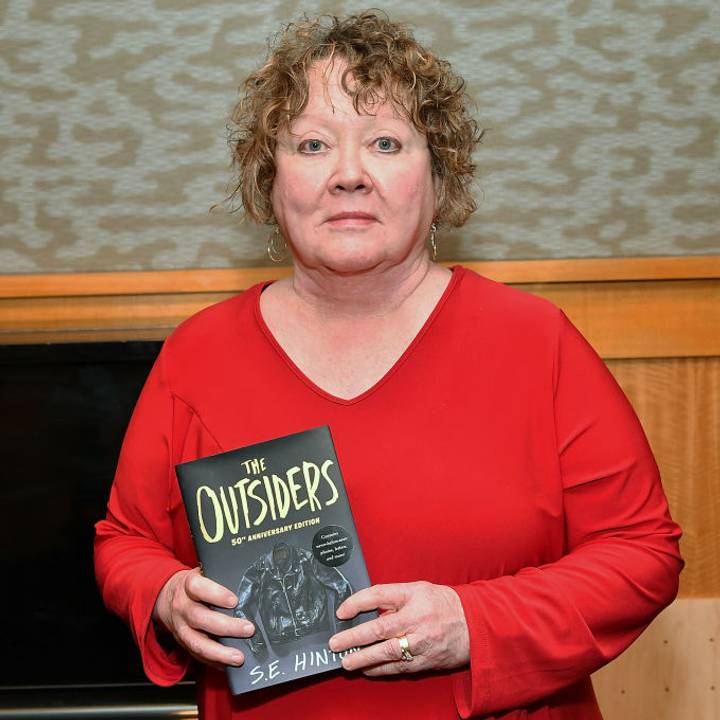
Hinton—whose real name is Susan Eloise—appears as the nurse in Dally’s hospital room.
8. John Irving // The World According to Garp
Anyone familiar with Irving’s love of wrestling won’t be surprised that he chose to appear as a wrestling referee in the movie adaptation of The World According to Garp, a role that required a fair amount of scuttling around on the floor.
9. Peter Benchley // Jaws
The author who made millions of people question their summer vacation plans plays a reporter in a brief scene in the 1975 film adaptation, which Benchley co-wrote.
10. William Peter Blatty // The Exorcist
Early in the movie, before the pea soup really hits the fan, Reagan’s actress mother is working on a movie. Blatty plays the producer of the film in a short on-set scene, asking if one of the scenes is really necessary. It’s a case of art imitating life, because Blatty had many similar disputes with The Exorcist director William Friedkin.
11. John le Carré // Tinker, Tailor, Soldier, Spy
He plays a guest at the MI6 Christmas party. The author can be found standing next to a spy dressed like Lenin.
12. V.C. Andrews // Flowers in the Attic
Andrews played a maid. She died shortly after filming her very brief cameo, missing the movie’s 1987 premiere.
13. Fannie Flagg // Fried Green Tomatoes
Flagg plays the workshop leader of a women’s seminar that Evelyn attends (before she’s empowered by Towanda, of course).
14. Sapphire // Precious
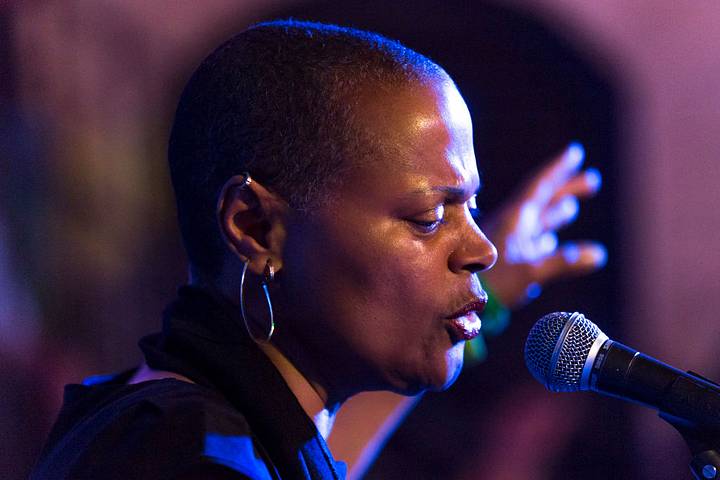
You can spot the mono-named author of Push as a woman at a day care center near the end of the movie.
15. Hunter S. Thompson // Fear and Loathing in Las Vegas
Johnny Depp looks at “himself”—the real Hunter S. Thompson—at 0:25. (Beware, there’s profanity in this clip!) The actor and the author became friends; after Thompson’s death in 2005, Depp reportedly paid to have his ashes shot out of a cannon.
16. Kurt Vonnegut // Mother Night
At 1:17 in the clip above, Vonnegut appears as one of the many people passing Campbell on the sidewalk.
17. Jennifer Weiner // In Her Shoes
She plays “Smiling woman in Italian market.”
18. Jean Shepherd // A Christmas Story
The writer has a memorable scene as the man who sends Ralphie and his brother to the end of the Santa line.
19. Emily Giffin // Something Borrowed
In a nod to her chick-lit career, Giffin appears in a scene where she’s reading a book on a park bench. The novel just happens to be Something Blue, the sequel to Something Borrowed.
20. Jacqueline Susann // Valley of the Dolls
Susann made a cameo as a reporter in the movie made from her best-selling book. She was no fan of the film, however; she called it “a piece of s***.”
21. Jonathan Safran Foer // Everything is Illuminated
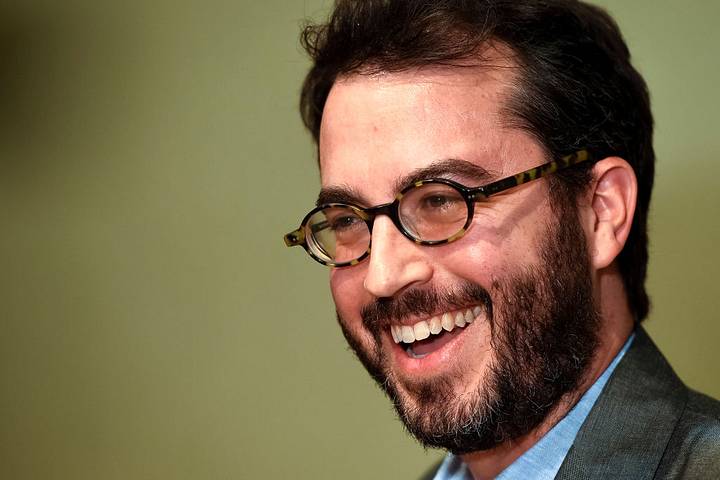
There’s scene where movie Jonathan (Elijah Wood) is visiting his grandfather’s grave. In the background, a groundskeeper is blowing leaves. The man keeping the cemetery tidy is the real Jonathan Safran Foer.
22. Amy Tan // The Joy Luck Club
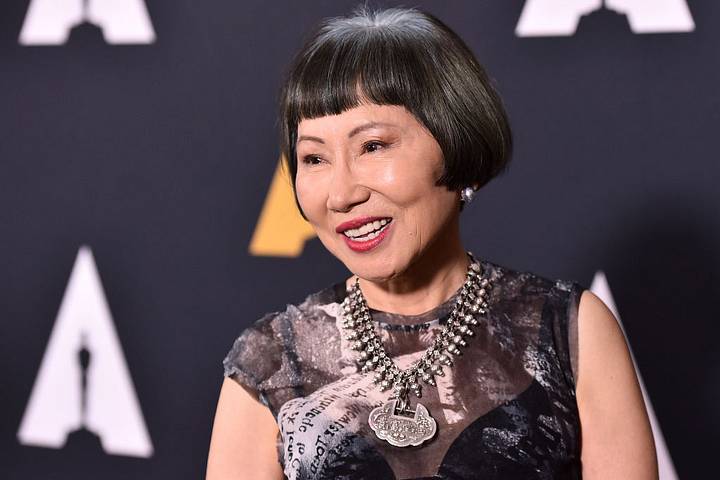
She plays a guest at a house party.
23. Irvine Welsh // Trainspotting
Unlike most of these cameos, Welsh actually has an extended part. He plays Mikey Forrester, the dealer who supplies the opium suppositories that result in one of the most, uh, memorable bathroom scenes in the history of cinema.
24. Charles Bukowski // Barfly
When the camera lingers a beat or two too long on an older gentleman enjoying a beer, you’ll know you’ve spotted Bukowski.
25. James Dickey // Deliverance
It seems that the author’s presence on the set was distracting to the actors, so they asked director John Boorman to ask Dickey to leave. To soften the blow a little, Boorman offered Dickey the part of the sheriff. Though Dickey originally declined (“I ain’t coming back; get yourself another boy”), he eventually returned to give this impressive performance.
A version of this story appeared in 2012; it has been updated for 2022.
Related Tags
9 Slang Words From the 1980s We Still Use Today
The decade of MTV, shoulder pads, and big hair gave us some of our favorite and most expressive words.
ByLogan DeLoye|Nov 9, 2026, 6:00 PM EST
 Add us as a preferred source
The ‘80s were tubular; each year made a bold, colorful statement in music, movies, style, and slang.
It’s hard to believe the decade of cult-classic blockbusters, big hair, MTV, and shoulder pads began almost 47 years ago, though some trends have made a comeback in the 2010s and 2020s, like high-waisted jeans and neon-colored clothing.
The ’80s are remembered for next-generation technology: the Sony Walkman, VHS tapes, boomboxes (cue John Cusack), CDs, camcorders, and the Nintendo Entertainment System.
Hair was always teased, and hairspray was a non-negotiable for men and women. Music videos took over pop culture; Michael Jackson had us dancing with Billie Jean, and Madonna invited material girls to live in a material world.
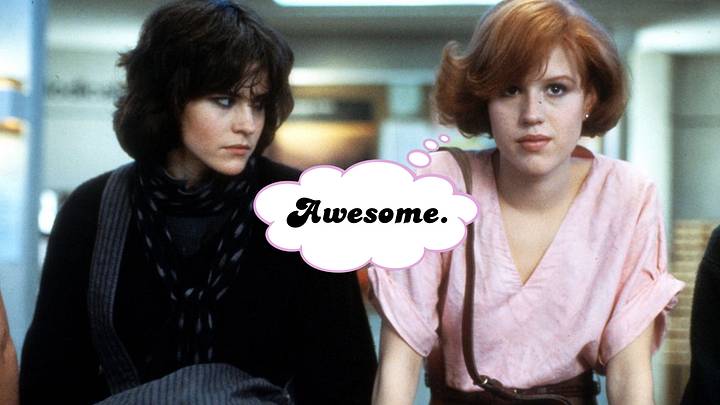
Movies that remain beloved, including Ferris Bueller’s Day Off, E.T. the Extra-Terrestrial, Back to the Future, Top Gun, The Breakfast Club (or really anything with Molly Ringwald), Ghostbusters, Raiders of the Lost Ark, and Return of the Jedi, lit up theater marquees in the ’80s.
Beyond fashion, media, and tech, the ’80s also gave us several slang terms. Some faded as soon as they arrived, while others stuck around.
According to Your Dictionary, here are nine ‘80s slang words we still use today.
CRUSING
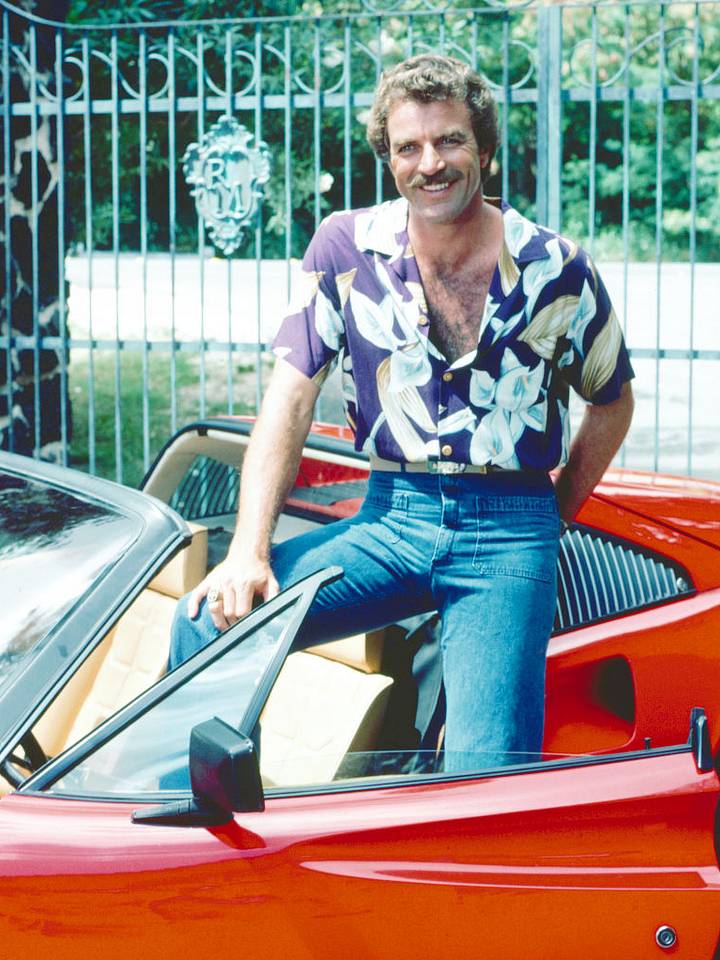
Definition: “To travel without destination or purpose.”
In a sentence: He asked if I wanted to take a drive, and we went cruising all night.
“Cruising” in the 1980s meant enjoying a long drive with nowhere specific to go. If someone invited you to “cruise” or said they were out “cruising,” you knew they were driving around aimlessly.
In 2026, “cruising” still describes a leisurely drive without a destination, just for fun.
HARSH
Definition: “Unpleasant and difficult to accept or experience, physically discomforting, overly intense.”
In a sentence: The bar was filled with smoke and the harsh smell of cigarettes.
The word “harsh” has always sounded, well, unpleasant, so it’s no surprise its meaning took on the same tone. Since the ’80s, people have used harsh to describe something uncomfortable or intense.
In 2026, we use it the same way, whether we’re talking about someone’s actions, a tough experience, or something extremely unappealing, like a bright light shining right in your face.
AWESOME
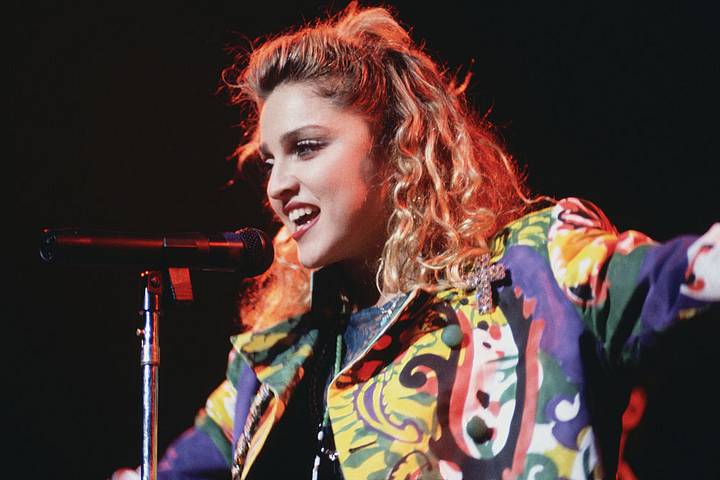
Definition: “Terrific, extraordinary.”
In a sentence: I listen to that song on repeat; it’s awesome!
Awesome is one of those words that has never lost relevance. The ’80s popularized it as the go-to way to describe something amazing or exceedingly cool.
In 2026, people of all ages still use “awesome” to express excitement about something (or someone) extraordinary.
FOR SURE
Definition: “Without doubt or question, certainly.”
In a sentence: He was the nicest person I ever met, for sure.
The slang “for sure” is another classic that has stuck around, and hopefully always will. In both the 1980s and 2026, it’s an easy way to say “of course,” often to reassure someone or dispel uncertainty. Sometimes a casual “for sure” is just what someone needs to hear in an anxious moment.
OUTRAGEOUS
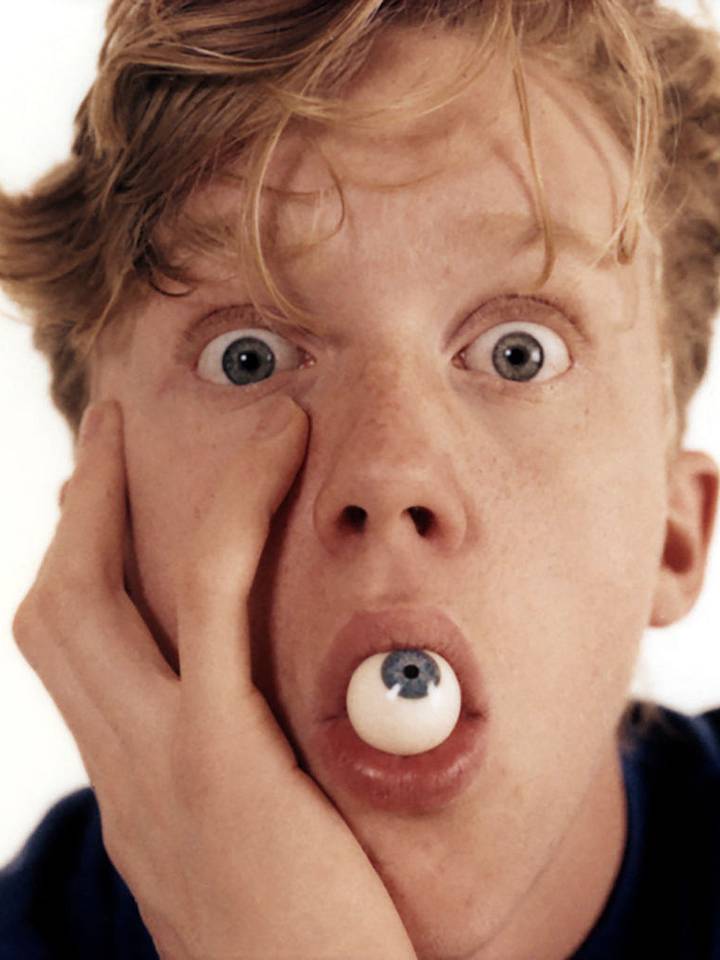
Definition: “Not conventional or matter-of-fact, exceeding the limits of what is usual.”
In a sentence: People wore outrageous costumes to the concert, and don’t even get me started on the band.
Outrageous is a fun, expressive word that spices up any conversation. In the ’80s, it described something so bold or abnormal that it was actually cool. In 2026, we use it less as a compliment and more to denote something shocking, but the basic meaning remains.
BURN OUT
Definition: “Exhaustion of physical or emotional strength or motivation, usually as a result of prolonged stress or frustration.”
In a sentence: She worked so hard that she was afraid she would burn out before the Q4 meeting.
“Burn out” is so common today that we forget people used it to describe the same feeling in the ’80s. Someone who was burnt out was totally exhausted and just over it.
In 2026, we use “burn out” to describe how we feel after a long workday, or maybe a trying year that’s absolutely depleted our motivation. Anything that leaves someone feeling overly drained (work, a conversation, or a hobby) is an example of burnout.
WHOA
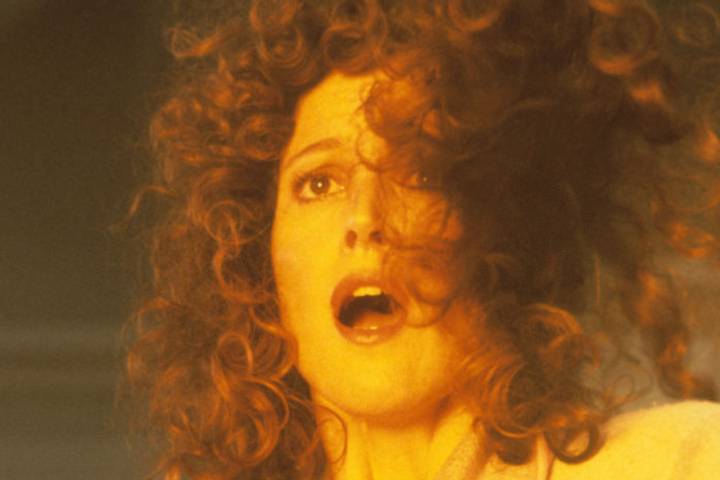
Definition: “Pause to consider or reconsider, often used to express a strong reaction.”
In a sentence: Whoa, that is one fun pair of sunglasses!
Whoa, like many words on this list, has definitions that couldn’t be more different. Centuries ago, people riding horseback or steering carriages used “whoa” to slow or stop the horses.
In the 1980s, “whoa” became an exclamation of surprise or intense reaction, both pleasant and unpleasant. In 2026, we say “whoa” to express excitement, surprise, or concern, depending on the instance.
CHILL
Definition: “Having a laid-back style or easy demeanor; having a relaxed style or manner.”
In a sentence: He wanted to go to the mall, but I had a long day and just wanted to chill.
“Chill” has lots of meanings, both formal and informal. In the ’80s, it broke away from its “cold” definition and became slang for someone or something calm, laid-back, or relaxing.
In 2026, we still use “chill” to describe someone who’s low-key, or to relay when we want to unwind.
EXCELLENT
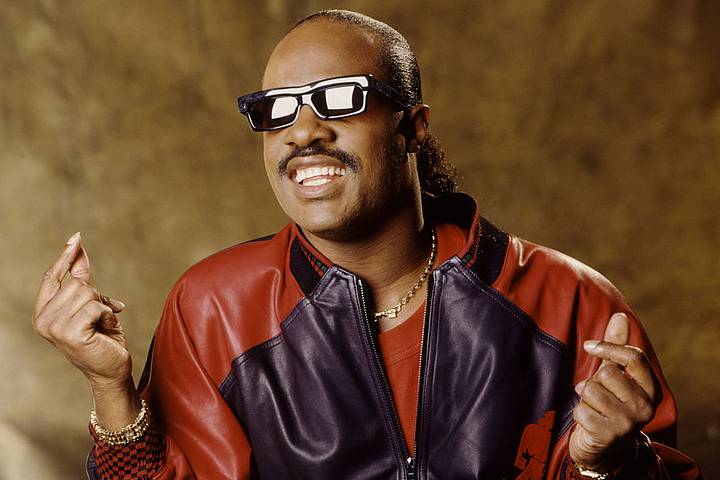
Definition: “Very good of its kind: eminently good.”
In a sentence: She had an excellent taste in music, especially when it came to R&B.
According to Merriam-Webster, “excellent” may not have been invented in the ’80s, but the decade surely made it a household word. Back then, people used “excellent” to describe something very good.
In 2026, we use “excellent” when “good” or “great” doesn’t fully explain how we feel.
Read More:
•
20 Everyday Things From the ’80s and ’90s That Are Now Worth Money
•
80 Totally Awesome Facts About the ’80s
•
7 Misconceptions About the ‘80s
All 9 Quentin Tarantino Movies, Ranked
From “Pulp Fiction” to “Kill Bill.”
BySuhaib Adeel|Nov 11, 2026, 8:00 AM EST
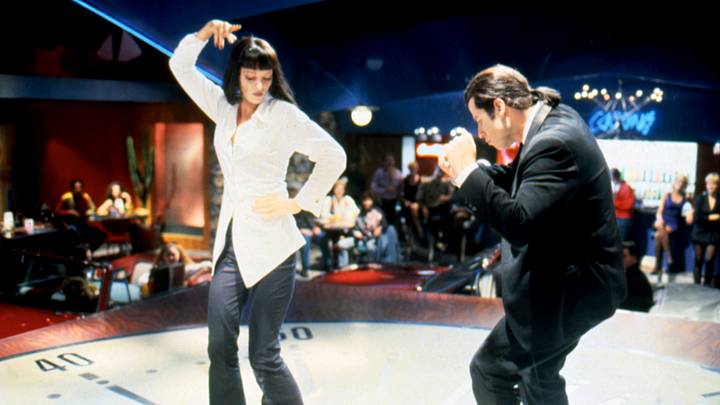
There are few filmmakers who have turned their personal taste in movies into as recognizable a cinematic language as Quentin Tarantino. His films are all love letters to the movies he grew up watching—be they spaghetti Westerns, kung fu epics, exploitation cinema, or pulpy genre films—many of which were movies that didn’t usually receive much recognition from critics.
Sure, he might borrow a lot of the ingredients, but he rearranges them into something that’s distinctly his own, and often uses familiar genre conventions to explore the mythology of Hollywood. He also has a knack for making seemingly throwaway conversations feel as important as a shootout, and for turning a well-placed needle drop into an event in itself.
Tarantino’s opinions about modern cinema may have become increasingly controversial in recent years, but the films themselves remain a formidable body of work. With his self-imposed ten-movie limit still hanging over him, it might be several more years until we see his final one. But this also makes it a good time to revisit his filmography to rank every one of his movies.
9. Death Proof (2007)
Death Proof is Tarantino at his most deliberately “trashy,” and that is both part of its appeal and maybe one of its limitations. It was made as part of the double feature Grindhouse alongside Robert Rodriguez’s Planet Terror, and the film recreates the rough edges of exploitation cinema with its scratched prints, missing reels, and abrupt edits.
The first half of the movie lures viewers into expecting the familiar rhythm of a 1970s slasher, with Mike (Kurt Russell) preying on a group of unsuspecting women. Then the second half subverts the trope and introduces a new group of women who are not helpless victims; they’re physically capable and more than willing to turn the tables on Mike.
Death Proof is probably the least good film in Tarantino’s filmography, but even then, it’s a very solid movie.
8. Kill Bill (2003–2004)
Tarantino considers Kill Bill to be one movie, much to the dismay of many fans. But fine, we’ll indulge him. Both chapters are excellent, although Volume 1 has a slight edge thanks to the narrative excitement of the Bride’s revenge missions.
The film is a sprawling tribute to the cinema that shaped him, taking inspiration from Shaw Brothers’ kung fu movies, Japanese samurai films, spaghetti Westerns, and even a bit of anime. The influence of the Japanese revenge classic Lady Snowblood is especially noticeable.
Volume 2, meanwhile, slows things down and has a bit more of a spaghetti Western vibe (with plenty of martial arts).
7. Jackie Brown (1997)
Jackie Brown is probably Tarantino’s most underrated film, partly because it arrived after Pulp Fiction and might not have lived up to those same expectations.
Adapted from Elmore Leonard’s novel Rum Punch, it trades in the elaborate criminal mythology of his previous movie for a more grounded story about a flight attendant (Pam Grier) trying to outsmart a dangerous gunrunner, along with the law enforcement agents watching him.
The film is also a homage to blaxploitation cinema of the 1970s. The ensemble cast is exceptional, especially Robert De Niro’s performance as a miserable, increasingly frustrated ex-convict.
6. The Hateful Eight (2015)
Following Django Unchained, Tarantino returned to the Western genre with a pretty claustrophobic film. The Hateful Eight traps a collection of bounty hunters, fugitives, and strangers inside a Wyoming haberdashery during a blizzard.
Where Django Unchained is a grand adventure driven by liberation and revenge, this film is cynical and aggressively unpleasant. Its characters are rarely trustworthy, even the “protagonists.”
The movie was shot in Ultra Panavision 70mm, a very wide format with a 2.76:1 aspect ratio that had largely disappeared from mainstream filmmaking at the time. The expansive landscapes surely look spectacular, but the wide frame also helps make the cramped interior scenes visually striking and allows several characters to fit in the same composition.
Ennio Morricone’s score goes to great lengths to add a huge sense of dread and isolation, which won him his first competitive Academy Award for a film score. The third act gets a little messy and maybe reveals its hand a bit too soon, but the performances, cinematography, and music keep this a hugely entertaining Western.
5. Reservoir Dogs (1992)
A debut feature film rarely showcases a filmmaker’s defining style and personality as confidently as Reservoir Dogs did. Made on a modest budget, Tarantino’s first movie follows a diamond heist that goes wrong, although the actual robbery is never shown.
Instead, the film moves between the surviving criminals’ warehouse hideout and flashbacks that slowly reveal how the operation fell apart. This narrative device tells viewers exactly what kind of storytelling Tarantino likes—the mechanics of the crime matter less than the people and the air of suspicion involved, and the conversations that expose them. Who needs to see how the robbery went when the aftermath is this much more entertaining?
The opening scene is also a perfect example of the filmmaker’s approach to dialogue. The characters talk about everyday nonsense with the confidence of people who have known one another for years.
4. Pulp Fiction (1994)
Calling Pulp Fiction Tarantino’s magnum opus is hardly an original observation, but its reputation as a fan favorite is well deserved. The film takes a collection of Los Angeles crime stories and rearranges them into a nonlinear puzzle, and allows characters to disappear from the narrative only to return in unexpected places.
Thanks to this, Vincent Vega can abruptly die in the middle of the story, and an encounter in a diner that occurs early in the film’s chronology can become its final scene. The structure isn’t all that easy to pull off, but the movie does it.
John Travolta’s career-reviving performance as Vincent, Samuel L. Jackson’s Jules, Uma Thurman’s Mia, and Bruce Willis’s increasingly desperate Butch form a cast that understands the film’s rhythm instinctively.
Other Tarantino films may surpass it in individual sequences or performances, but only some capture so many of its highs at once.
3. Inglourious Basterds (2009)
Few Tarantino films contain as many scenes that could stand alone as masterclasses in sheer tension as Inglourious Basterds. Christoph Waltz’s Landa is a major reason so many of these scenes work, but Mélanie Laurent, Michael Fassbender, Diane Kruger, Brad Pitt, and the rest of the ensemble are equally memorable in their own ways.
You might not realize that the film is around 70% non-English. German, French, and Italian are all naturally woven into the dialogue. The tavern sequence (with Michael Fassbender’s character) is especially effective since the characters’ ability to pass as someone they’re not depends on getting small linguistic and cultural details right.
Instead of playing out like a standard World War II drama, the movie subverts expectations by letting the characters rewrite history in an explosive finale inside a movie theater, and ends on a fittingly high note.
2. Once Upon a Time in Hollywood (2019)
Anyone expecting your usual fast-moving Tarantino movie might find Once Upon a Time in Hollywood surprisingly patient and tame in comparison. Much of the film follows actor Rick Dalton and his stunt double, Cliff Booth, through an ordinary stretch of life (and its mundane tasks) in late-1960s Los Angeles.
Leonardo DiCaprio and Brad Pitt have terrific chemistry, with Rick’s insecurity and Cliff’s unshakable cool creating a friendship that feels genuine.
The film’s recreation of 1969 Hollywood is pretty detailed, from its billboards and radio broadcasts to the television shows and movie theaters spread across the city.
Just like with Inglourious Basterds, the movie eventually rejects the historical record in favor of a revisionist ending, turning the Manson family into the targets of a violent finale that completely pays off.
1. Django Unchained (2012)
Django Unchained is Tarantino’s absolute best. Here, he’s operating with the confidence of a filmmaker who knows exactly how to make a scene land. Its story of a formerly enslaved man teaming up with a bounty hunter to rescue his wife from a plantation owner has the makings of a grand Western adventure, but the film’s greatest scenes are often the individual encounters.
The writing is also among Tarantino’s strongest. The film also borrows heavily from the Italian Western tradition, beginning with Luis Bacalov’s theme and drawing on the visual language of Sergio Corbucci’s 1966 classic, Django.
Its soundtrack is particularly interesting. Rather than having a traditional score, it combines older Western compositions with blues, soul, and even contemporary hip-hop. The modern tracks might seem an odd fit on paper, but they give the film an energy that fits with its revisionist approach to history. When “100 Black Coffins” starts playing, it’s hard to imagine a more fitting choice.
Few movies have turned a familiar genre into such a wildly elevated narrative experience.
Read More:
•
David Lynch’s Extremely Reliable Daily Routine
•
25 Iconic Movie Roles That Almost Went to Different Actors
•
Quiz: Can You Name the ’90s Horror Movie From Its Final Girl?
•
All 14 Christopher Nolan Movies, Ranked By Rotten Tomatoes