ByRebecca Pahle|Jun 11, 2022, 6:09 PM EDT
 Add us as a preferred source

June 10, 2022 marks the 100th anniversary of the birth of Judy Garland, one of the most iconic and recognizable movie stars of all time. In honor of Dorothy Gale herself, here are 10 facts about about the late actress, singer, gay icon, and all-around legend.
1. Judy Garland landed her first gig at age 2 years old.
Though Garland would eventually develop a reputation for being unreliable, she worked her whole life—starting at the age of 2 years old, when Garland (then “Frances Gumm”) made her stage debut singing at the movie house owned by her father. From then until her death, aside from breaks she took to give birth to her three children, the longest period she ever went without working was six months, and that only because she was having trouble with the IRS.
2. Her most famous song almost never saw the light of day.
Garland was only 17 years old when she reached a whole new level of fame thanks to her starring role in The Wizard of Oz. But the most famous song from the film, “Somewhere Over the Rainbow,” was almost edited out. MGM executives, including studio head Louis B. Mayer, thought the song slowed the movie down and thus had it removed from the film for several test screenings. Associate producer Arthur Freed threatened to quit if it wasn’t put back in, and Mayer folded, saying: “Let the boys have the damn song. Put it back in the picture. It can’t hurt.” It went on to win the Academy Award for Best Original Song and would be sung by Garland for the rest of her career.
3. Lana Turner stole Garland’s first boyfriend.
At 17 years old, and already one of Hollywood’s most bankable stars, Garland had her first serious romantic relationship with 29-year-old musician/bandleader Artie Shaw. Garland’s heart was broken when she read in the morning paper that Shaw had eloped with her friend—and future movie star—Lana Turner. To make the situation even worse, Shaw defended himself to Garland by denying that their relationship had ever been a romantic one. “Lana is a woman I’ll have sex with,” he told Garland. “I never thought of you in that way and I didn’t think you thought of me in that way.”
Turner’s romance with Shaw was also short-lived; they were married for just four months.
4. She was the first woman to win the Album of the Year Grammy.
In 1962, Garland made history by being the first woman—and only the fourth person ever—to win the Grammy for Album of the Year. She won for Judy at Carnegie Hall, a recording of a now-legendary 1961 concert that, according to Scott Schechter’s Judy Garland: The Day-by-Day Chronicle of a Legend, is “widely acknowledged as one of the greatest evenings in show business history.”
5. She (might have) helped kick off the gay rights movement.
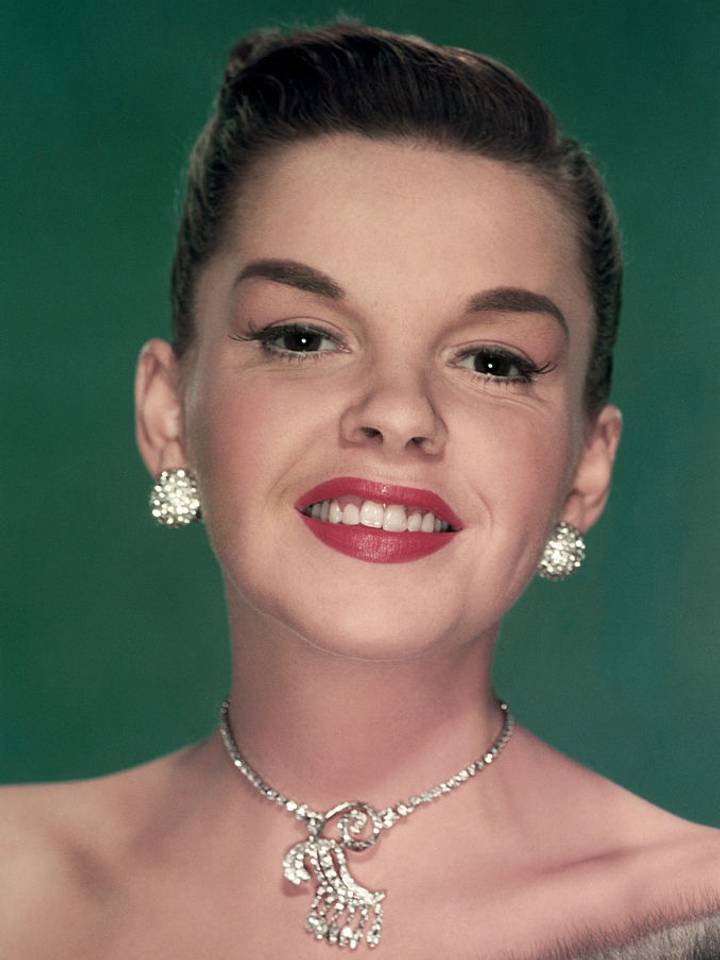
An oft-repeated—but never confirmed—legend about Garland is that her death played a role in sparking the Stonewall riots, as her funeral had taken place just one day before. Hours before the riot broke out, several Stonewall patrons spent the day outside the Frank Campbell Funeral Home, where Garland’s funeral was being held. Trans activist Sylvia Rivera, a key figure in the early gay rights movement, later said of the hours before the police raid that led to the Stonewall riots: “You could actually feel it in the air. You really could. I guess Judy Garland’s death just really helped us really hit the fan.”
Historian David Carter traces the Garland-Stonewall connection to a Village Voice article from years later that introduced the “Judy Garland’s funeral led to Stonewall” myth as a way to “attack and disparage” gay people.
6. She was one of the original members of the Rat Pack.
Garland’s public image doesn’t exactly mesh with the slick, cool vibe exuded by the Rat Pack—and yet, she was one of its original members. The group, largely a publicity gimmick, was borne of a 1955 party—attended by Garland, her then-husband Sid Luft, Frank Sinatra, Humphrey Bogart, Lauren Bacall, and more—during which Bacall uttered the phrase “I see the rat pack is all here.” The New York Herald Tribune reported at the time that the “Rat Pack” had even held mock elections, during which Garland was named the first vice president.
7. She used to serenade JFK.
Garland was friends with John F. Kennedy, whom she met when he was a junior senator. Per Garland’s third husband Sid Luft’s memoir Judy & I, Kennedy would sometimes call Garland and ask her to sing for him; other times, she would call him to vent when she’d had a particularly grueling week. Garland’s daughter, Liza Minnelli, would later recall that Kennedy would always ask Garland to sing a few bars of “Over the Rainbow” to end their calls.
8. There’s an official Judy Garland perfume.
To coincide with the 100th anniversary of Garland’s birth, her daughter Lorna Luft teamed up with “certified nose” Vince Spinnato to craft a unisex fragrance officially licensed by Garland’s estate. JUDY, for those wondering, combines scents of the Judy Garland rose with dark orchid, coriander, and (per the official press release) “a medley of sultry Gourmand and spice notes.”
9. Someone stole her ruby slippers.
One of the pairs of ruby slippers worn by Garland (who wore a size five shoe) during the filming of The Wizard of Oz was stolen from Grand Rapids, Minnesota’s Judy Garland Museum in 2005. The thief, who broke into the museum at night, left behind only a single red sequin. In 2017, the FBI became involved with the incident after a man went to the company that insured the shoes and, in an attempt to extort them, claimed he had information as to their whereabouts. The following year, the FBI conducted an undercover sting operation and got the shoes back.
10. She (maybe) has a morbid connection to RuPaul’s Drag Race.
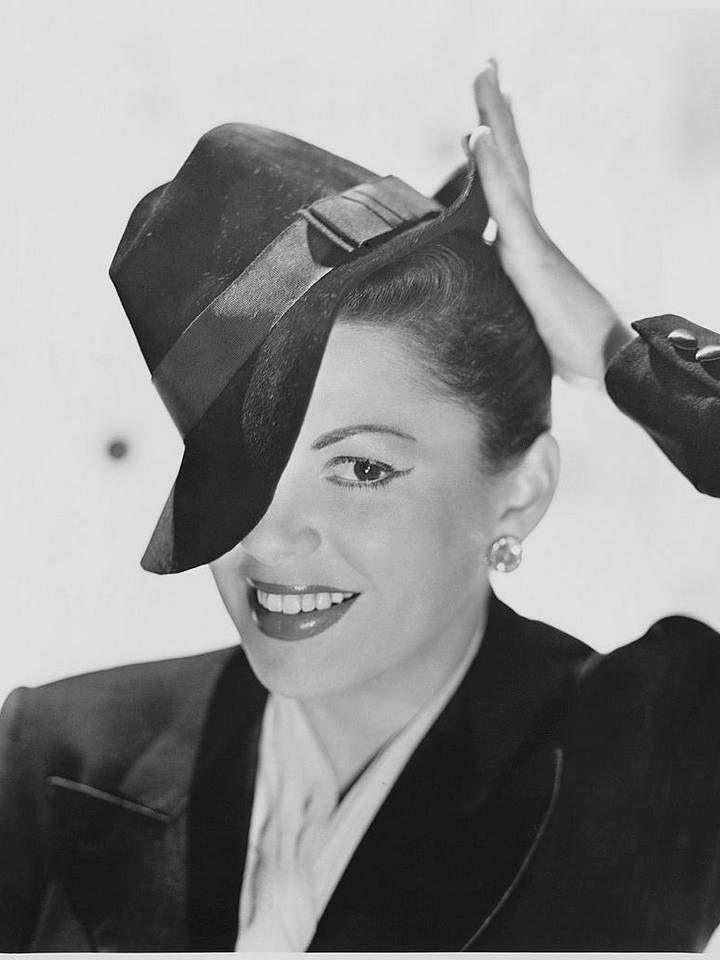
In season 5 of RuPaul’s Drag Race, drag makeover subject and Navy veteran Dave Lara dropped the shocking tidbit that, er, he “might have killed Judy Garland.” In 1968, when Lara was a hospital corpsman, the two met and hung out for a few nights, and Garland asked her new friend to get her some sleeping pills. He got her “like seven or eight pills” of Seconal, taken from a naval hospital and thus with a military label on the bottle. After Garland’s 1969 death, Lara recalled, “I was stationed in Washington, D.C., and the newspaper I saw had a piece that said that by the bedside was found a military-grade prescription of Seconal.” Decades later, Lara would use his reality TV appearance to tell the story for the first time.
Related Tags
20 Legendary Artists Who Never Had a No. 1 Hit
They made songs everybody knows by heart that never hit the top of the Billboard Hot 100.
ByMatt Hoffman|Oct 28, 2026, 8:00 AM EDT
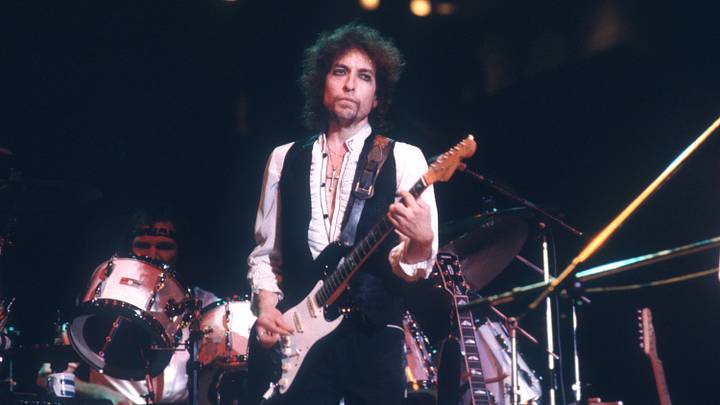
Back in August 1958, Billboard published its first Hot 100, with Ricky Nelson’s “Poor Little Fool” at No. 1. In the decades since, that top spot has gone to the likes of the Archies and Henry Mancini’s orchestra—but never to any of the iconic acts on this list.
Here, we’re talking about songs they performed rather than songs they wrote for other people, which don’t count, nor does a charity single like “We Are the World.” Mental Floss has already quizzed readers on the No. 1s that classic rock bands did produce; this list is about the acts that never got there, in order of how close they came.
Bob Dylan
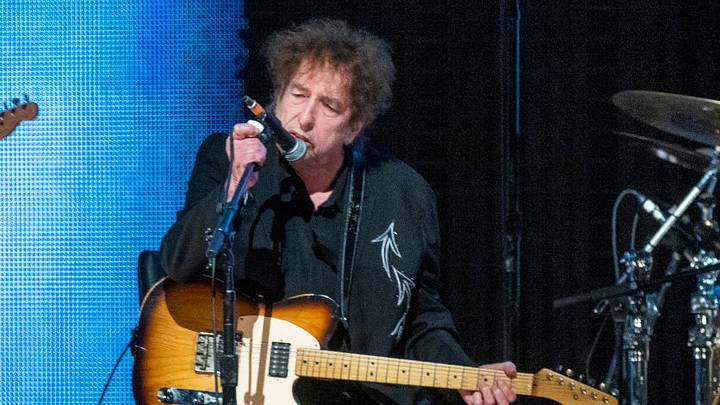
“Like a Rolling Stone” reached No. 2 on the chart dated Sept. 4, 1965, and spent two weeks there behind the Beatles’ “Help!” The next spring, “Rainy Day Women #12 & 35” stalled at No. 2 behind the Mamas & the Papas’ “Monday, Monday.” Dylan’s name did reach the top once, as a writer: the Byrds took his “Mr. Tambourine Man” to No. 1 on June 26, 1965, four weeks before “Like a Rolling Stone” entered the chart.
Creedence Clearwater Revival
“Proud Mary,” “Bad Moon Rising,” “Green River,” “Travelin’ Band,” and “Lookin’ Out My Back Door” all peaked at No. 2 in 1969 and 1970, the most runner-up hits for any act that never reached No. 1. It took six different songs to keep them there, from Tommy Roe’s “Dizzy” and the Archies’ “Sugar, Sugar” to “Bridge Over Troubled Water.” The band did land two No. 1 albums, Green River and Cosmo’s Factory, which had to help a little.
Johnny Cash
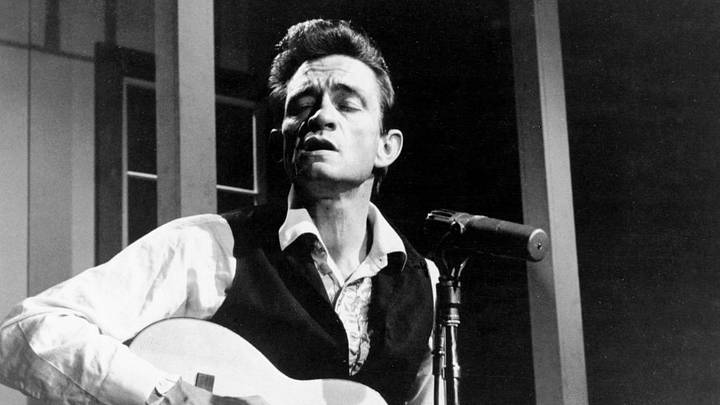
Most people probably don’t know it, but Shel Silverstein—yes, the one who wrote The Giving Tree—wrote “A Boy Named Sue,” the tale of a man hunting down the father who gave him a girl’s name. Johnny Cash recorded a version live at San Quentin, and it became his biggest pop hit, sitting at No. 2 for three weeks in August and September 1969 and spending all of them behind the Rolling Stones’ “Honky Tonk Women.” Silverstein’s songbook also included “The Cover of ‘Rolling Stone,’” a Top 10 hit for Dr. Hook and the Medicine Show.
The Allman Brothers Band
Dickey Betts wrote “Ramblin’ Man” at 3 a.m. at the kitchen table in bassist Berry Oakley’s house, and it was the last song Oakley ever recorded. It became the band’s biggest hit, reaching No. 2 on the chart dated Oct. 13, 1973, with Cher’s “Half-Breed” in the way. A week later, the Rolling Stones’ “Angie” took over No. 1, and “Ramblin’ Man” slid to No. 3.
Journey
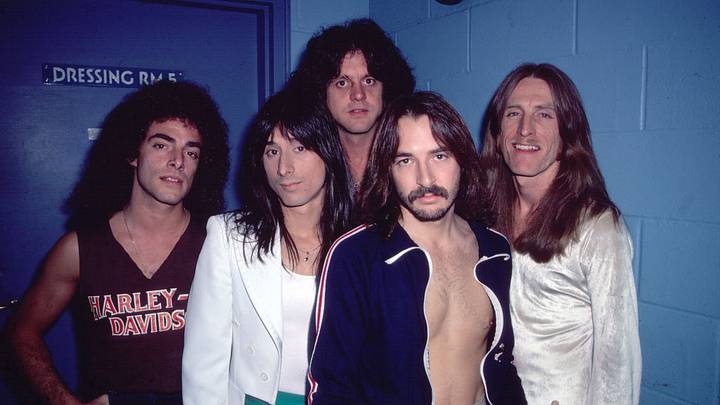
“Open Arms” reached No. 2 on the chart dated Feb. 27, 1982, and stayed there for six weeks. For the first three, it sat behind the J. Geils Band’s “Centerfold,” and when that finally slipped, Joan Jett & the Blackhearts’ “I Love Rock ’n’ Roll” jumped right over it and held No. 1 for the next three. “Don’t Stop Believin’” had already peaked, at No. 9, in December 1981.
Bruce Springsteen
“Dancing in the Dark” spent four weeks at No. 2 in the summer of 1984, the highest the Boss has ever reached as an artist. Duran Duran’s “The Reflex” held No. 1 the first week, and Prince’s “When Doves Cry” held it for the other three. However, Springsteen did write a No. 1: Manfred Mann’s Earth Band took his “Blinded by the Light” to the top in February 1977, and the Pointer Sisters got his “Fire” to No. 2.
James Brown
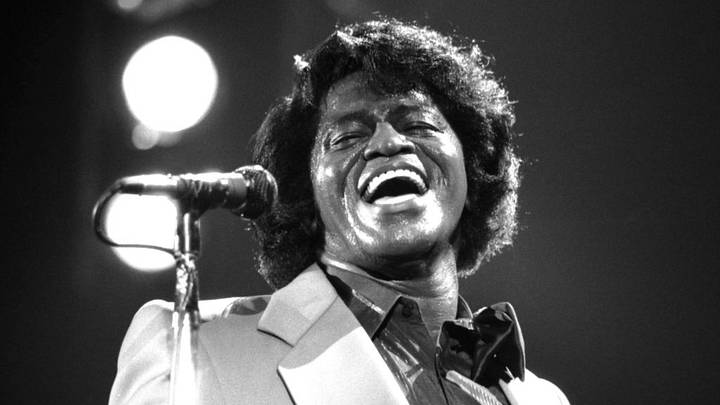
The Godfather of Soul put 91 songs on the Hot 100, starting with “Try Me” in the late 1950s, and none of them made it to No. 1. He came closest with “I Got You (I Feel Good),” which peaked at No. 3 on the chart dated Dec. 18, 1965, and “Living in America,” which reached No. 4 in 1986. The R&B chart treated him better: he topped it 17 times.
Tom Petty
Petty’s highest-charting single isn’t entirely his: “Stop Draggin’ My Heart Around,” credited to Stevie Nicks with Tom Petty and the Heartbreakers, reached No. 3 in September 1981. Under his own name, he never did better than “Free Fallin’,” which hit No. 7 in January 1990, and that was a solo single, not a Heartbreakers one. The band’s own high-water mark was “Don’t Do Me Like That,” No. 10 in 1980.
Led Zeppelin
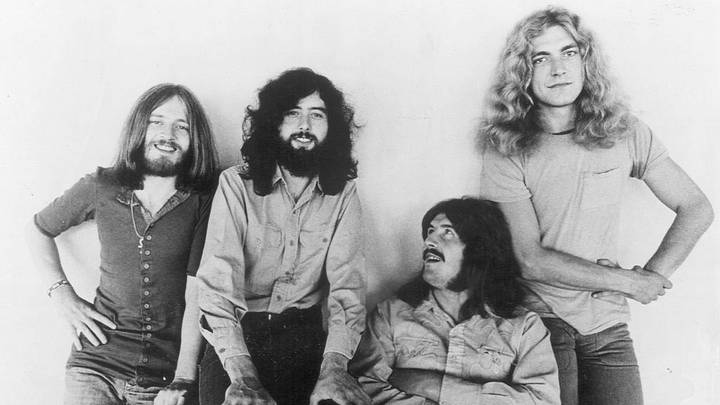
The band refused to release “Whole Lotta Love” as a single in the U.K. In the U.S., Atlantic Records talked them into a three-minute edit, and it reached No. 4 on the chart dated Jan. 31, 1970, still their highest Hot 100 peak. “Stairway to Heaven” only ever went out as a promotional single, and Robert Plant explained in 2005 that “there’s no point putting out a single when the album is the statement of the band.”
R.E.M.
“Losing My Religion” was built around acoustic guitar and mandolin, not exactly the sound of pop radio in 1991, and Michael Stipe called it a “freak hit.” It reached No. 4 on the chart dated June 22, 1991, the band’s highest Hot 100 peak, and it isn’t really about religion: Stipe said he “wanted to write a classic obsession song.” “Shiny Happy People,” from the same album, stopped at No. 10.
The Kinks
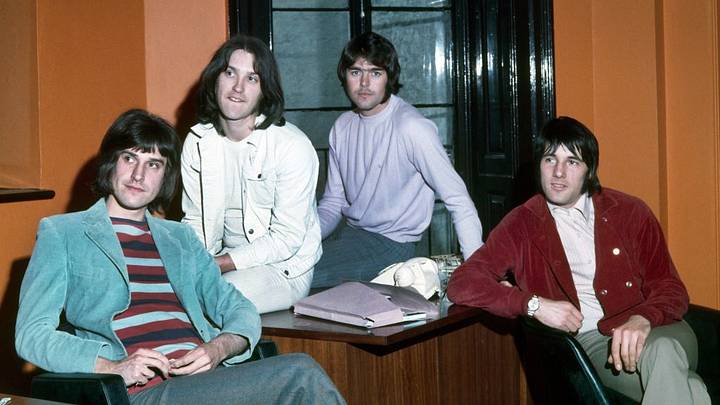
The Kinks peaked at No. 6 twice, 18 years apart: “Tired of Waiting for You” in April 1965 and “Come Dancing” in July 1983. Their best-known songs fell short of even that, with “You Really Got Me” and “All Day and All of the Night” both stopping at No. 7 and “Lola” reaching No. 9 in 1970.
Nirvana
“Smells Like Teen Spirit” peaked at No. 6 on the Hot 100 dated Jan. 11, 1992, the same week Nevermind knocked Michael Jackson’s Dangerous out of No. 1 on the Billboard 200. A week later, Garth Brooks’ Ropin’ the Wind topped the album chart. Nirvana never got that close on the singles chart again: “Come As You Are” stopped at No. 32.
Joni Mitchell
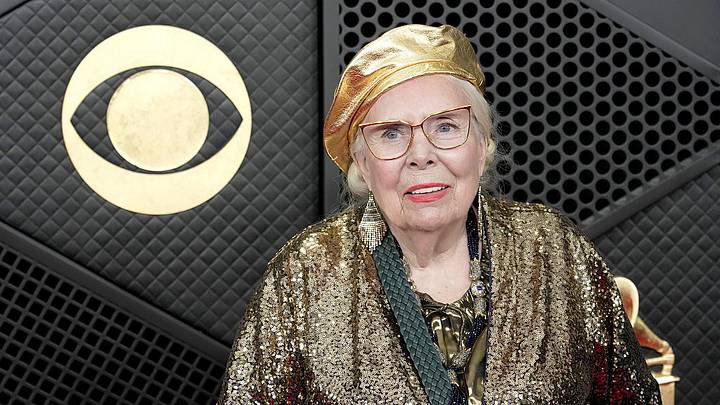
“Help Me” reached No. 7 in June 1974, Mitchell’s only Top 10 single, and the next best, “Free Man in Paris,” stopped at No. 22 later that year. Both came from Court and Spark, which had a near miss of its own: the album spent four weeks at No. 2 on the Billboard 200 in March 1974, and for the first two of them, the record in front of it was Bob Dylan’s Planet Waves.
Lynyrd Skynyrd
“Sweet Home Alabama” calls out Neil Young by name, answering his songs “Southern Man” and “Alabama,” and it peaked at No. 8 in October 1974. Their target had already been to No. 1 with “Heart of Gold” in 1972. “We wrote ‘Sweet Home Alabama’ as a joke,” Ronnie Van Zant said later, and Young played it himself at a show in Miami weeks after the 1977 plane crash that killed Van Zant.
The Who
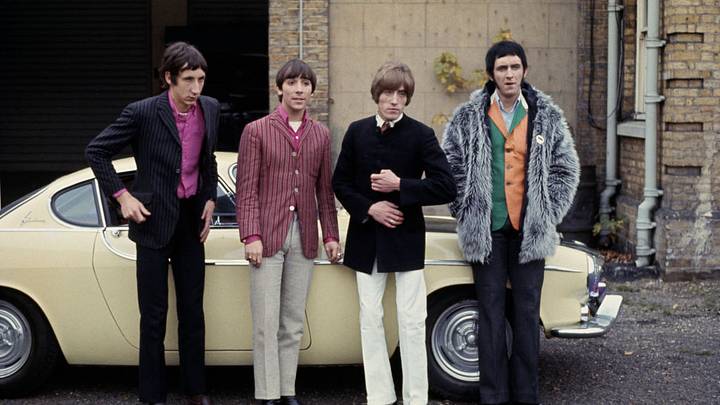
“I Can See for Miles” reached No. 9 in November 1967, and it’s still the Who’s only Top 10 hit in the U.S. The songs people know best did worse: “Won’t Get Fooled Again” stopped at No. 15, “Pinball Wizard” at No. 19, and “My Generation” peaked at No. 74 in 1966.
Van Morrison
“Brown Eyed Girl,” originally titled “Brown Skinned Girl,” peaked at No. 10 in September 1967, and Morrison has never been fond of it: he once said he doesn’t consider it one of his 300 best songs. His actual highest-charting single is “Domino,” which beat it by one spot, reaching No. 9 on the chart dated Jan. 2, 1971.
Grateful Dead
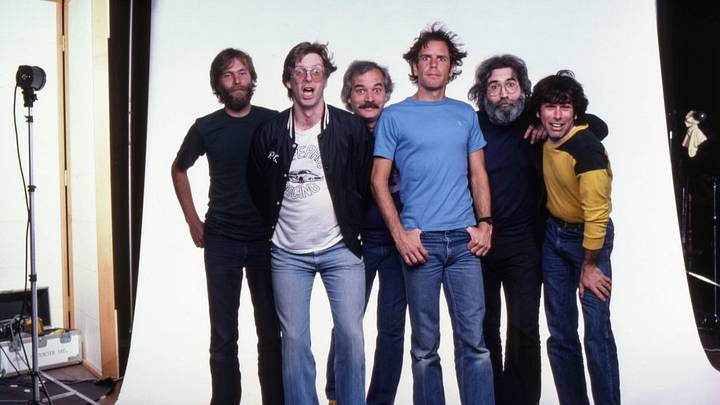
By 1987, the Dead were more than 20 years into a career built on live shows, and their best Hot 100 showing was still “Truckin’,” which hit No. 64 in 1971. Then “Touch of Grey” reached No. 9 on the chart dated Sept. 26, 1987, and pushed In the Dark to No. 6 on the Billboard 200. It remains their only Top 10 single.
Jimi Hendrix
Hendrix’s only Top 40 hit was a Bob Dylan song. Dylan released “All Along the Watchtower” on John Wesley Harding in 1967, Hendrix recorded his version at Olympic Studios in London in January 1968, and it peaked at No. 20 that October. “Purple Haze” had stopped at No. 65 the year before, and “Crosstown Traffic” got to No. 52.
AC/DC
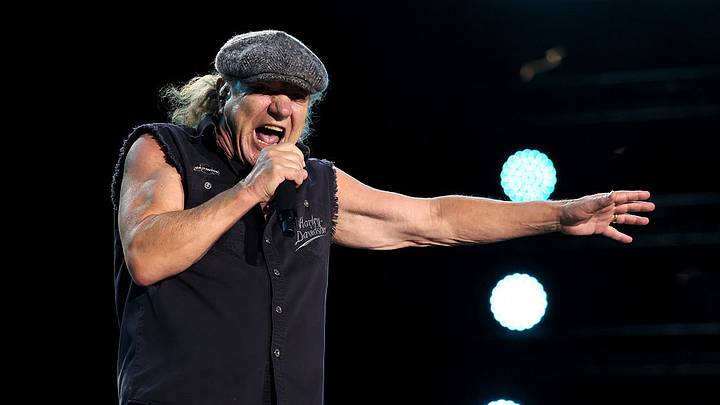
The band behind Back in Black never had a Top 20 hit in the U.S. The album’s title track peaked at No. 37 in early 1981 and “You Shook Me All Night Long” at No. 35, and the band’s best showing came a decade later, when “Moneytalks” reached No. 23 on the chart dated Feb. 9, 1991. The album itself never made it to No. 1 on the Billboard 200, either.
Bob Marley
Marley put exactly one song on the Hot 100: “Roots, Rock, Reggae,” with the Wailers, which peaked at No. 51 in 1976. He does have a No. 1 to his name, as a writer: Eric Clapton’s cover of his “I Shot the Sheriff” topped the chart in September 1974, two years before Marley’s own single charted. He died in 1981, at 36.
Read More:
•
6 Classic Rock Hits That Almost Went to Different Artists
•
Tom Petty Had a Clear Favorite Among His Own Albums
•
The Most Popular Band the Year You Were Born
•
Quiz: How Quick Can You Pick the First Word in Each ’90s Song Title?
Quiz: Can You Name the Winona Ryder Movie From One Character?
The two-time Oscar nominee turns 55 on October 28.
ByAlexandria Ingham|Oct 29, 2026, 8:00 AM EDT
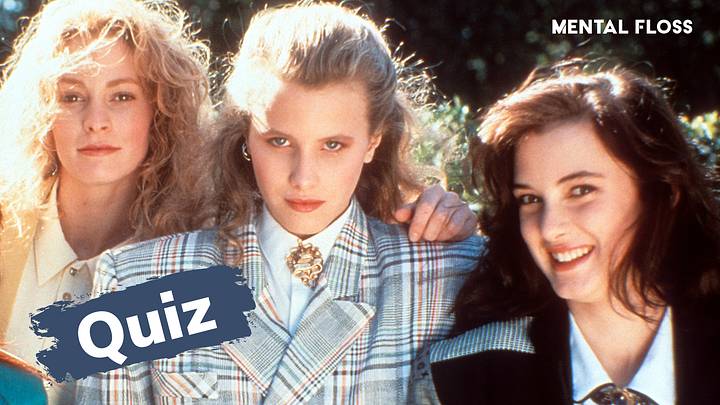
Winona Ryder is one of the most famous actresses of her generation. She has starred in a variety of movies over the years, whether you remember her for her standout, heartfelt performance in Edward Scissorhands or when she was dancing away in the air in Beetlejuice. How many performances can you remember, though? We’re going to give you the name of her character, and we want you to match the movie.
Did you get all eight right? If you did, then you are a true Winona Ryder fan. Don’t worry if you missed a few. It’s the perfect time of year to go through her movie history and do a binge-watch.
More Movie & TV Quizzes:
•
Quiz: Can You Name the ‘Nightmare Before Christmas’ Character From One Clue?
•
Quiz: Can You Name the Winona Ryder Movie From One Character?
•
Quiz: Can You Name the ’90s Horror Movie From Its Final Girl?
•
Quiz: Can You Name the ‘Friends’ Episode From One Chandler Bing Quote?
•
Quiz: Can You Match the Monster Movie to the Famous Quote?
The Most Memorable Winona Ryder Performances
While many now know her as Joyce Byers in Stranger Things, she’s had a history with the wacky and weird when it comes to movies. Her breakthrough remains one of her most notable roles, when she played Lydia Deetz in Beetlejuice in 1988, and she reprised the role in the long-awaited sequel.
In the Tim Burton classic, she played a spiked-haired, camera-toting goth teenager who wasn’t afraid to call it like it was. She brought empathy when it came to the house’s spirits, wanting to help them move on rather than try to scare them away, and it made it clear that she was a star to watch out for.
So, it wasn’t surprising to see her team up with Burton again in 1990, when she played Kim Boggs in Edward Scissorhands. Within the innocence of her relationship with Edward is a warmth that all the adults could learn from.https://www.youtube.com/embed/9-K2wo6btqM?feature=oembed
However, before she reunited with Burton, there was another 1988 performance that stood out. Everyone remembers Heathers, in which Ryder played Veronica Sawyer. It was a career-defining role, as she took on the conflicts of a teenager who wants to get revenge against popular high school bullies, but she does so in a rather terrifying and permanent way.
Ryder isn’t just good at weird movies, though. In 1990, she also took on the role of Jo March in Little Women, bringing a maturity to the role that surprised many who had known her for the quirkier movies to start. In fact, Little Women would earn her a nomination for Best Actress at the Oscars, making it clear that she was growing into an actress to watch.
Since then, Ryder has brought rebels, outsiders, idealists, and doting moms to life throughout a career that spans almost 40 years.
If you love to test your movie knowledge, make sure you bookmark the Mental Floss quiz page for more challenges.
Halloween Quizzes:
•
Quiz: Can You Name the ‘Nightmare Before Christmas’ Character From One Clue?
•
Quiz: Can You Name the Halloween Costume From These Three Clues?
•
Quiz: Can You Name the ’90s Horror Movie From Its Final Girl?
•
Quiz: Can You Match the Monster Movie to the Famous Quote?
•
Quiz: Can You Match These TV Witches to Their Shows Without Getting Hexed?