ByGarin Pirnia|May 12, 2017, 6:00 AM EDT
 Add us as a preferred source

From September 21, 1998 to May 14, 2007, Kevin James played Everyman Doug Heffernan, an International Parcel Service (IPS) delivery driver living in, you guessed it, Queens, New York. For nine seasons, the CBS sitcom was a hit, especially because of Doug’s bickering dynamics with wife Carrie (Leah Remini), his cousin Danny (played by James’s older brother, Gary Valentine), and his live-in father-in-law, Arthur Spooner (Jerry Stiller).
In 1996, Kevin James made his first appearance on Everybody Loves Raymond as a character named Kevin. “When I created The King of Queens in 1997, it wasn’t even for CBS, it was for NBC,” co-creator Michael J. Weithorn tells Mental Floss. “David Litt and I created the character of Doug for that pilot. NBC passed on the pilot, then CBS picked it up.” A couple of months after The King of Queens debuted, James reappeared on Raymond, this time as Doug Heffernan. And, in a bit of symmetry, between 1998 and 2005 Ray Romano played Ray Barone on four episodes of The King of Queens. For the 10th anniversary of the show’s finale, here are 10 fun facts about the sitcom.
1. THE STUDIO DIDN’T WANT DOUG AND CARRIE TO HAVE KIDS.
David Bickel, one of the show’s executive producers, told Futon Critic that Sony didn’t like the idea of them having kids. “The studio felt that if you have a big thing happen to the Heffernan family then it kind of dates the old shows as ‘pre-baby’ and the new shows as ‘post-baby’ and it kind of hurts syndication a little bit,” he said. “And for us, the thing was always Jerry Stiller is the baby.” During the series finale, Doug and Carrie finally have kids—they fly to China to adopt a girl, and then Carrie finds out she’s pregnant.
2. PATTON OSWALT STOOD MOTIONLESS ONSCREEN FOR ALMOST THREE MINUTES.
During the almost three-minute opening of the April 10, 2006, episode, Patton Oswalt’s character, Spence Olchin, can be seen standing motionless in the Heffernans’ living room while everyone else moves around, talks, and celebrates Doug’s 40th birthday. Spence neither moves nor speaks for the duration of the sequence, even when the camera cuts back and forth from the living room to the kitchen. In 2011 Oswalt explained the reason for his bizarre behavior to Jimmy Fallon: “I’ve never worked with a stonier crew than The King of Queens’ writers and producers,” he said. Apparently the writers asked him to stand there just to see how weird it’d look, and to see if anybody would notice.
3. VICTOR WILLIAMS THINKS PEOPLE LIKED THE SHOW’S “SIMPLICITY.”
Victor Williams played Doug’s co-worker and friend Deacon Palmer. “It’s the simplicity of regular folks that people respond to—and in such an overwhelming way, it was kind of surprising to me initially,” Williams told Today in 2007. “But then it made sense. There’s a sort of honesty in that simplicity that I’ve really enjoyed and I’m really going to miss.”
4. CARRIE HAD ANOTHER DAD BEFORE JERRY STILLER SIGNED ON.
Bickel described the show’s pilot as a “hybrid” because actor Jack Carter played Arthur, but when Stiller became available for the role, he replaced Carter. “What they did was when they decided to do it with Jerry, they reshot just the first few scenes with him,” Bickel said. “So I’d be watching the show [with Jerry onscreen] and it was like, ‘Oh, this is great’ and all of a sudden Jack Carter would appear and it was like, ‘What’s happening here?’
“Years later I was in Costco and who’s there buying batteries yelling at his wife but Jack Carter. And I’m thinking our lives would have really would have been so different—both of ours—by this one event.”
5. KEVIN JAMES THOUGHT HIS UNIFORM WAS TOO SNUG.
Talking to TV Guide, Kevin James revealed that when he gained weight his IPS uniform hurt his body. “The shorts were tight and they’d cut into my hips,” he said. “I’d feel like writing scenes around it, like, ‘Oh, I don’t need a uniform.’ They’d be like, ‘But you’re at work!’ And I’d be like, ‘Whatever. I show up without it!’”
6. SCIENTOLOGY AFFECTED REMINI’S WORK ON THE SOW.
In a much publicized move, Remini left the Church of Scientology in 2013, and filmed a docuseries about her traumatizing experiences called Leah Remini: Scientology and the Aftermath, which aired on A&E in November 2016. Remini told The Hollywood Reporter the church wanted her to recruit James, her fellow actors, and crew members. “It’s always, ‘Why are you not getting Kevin James in? You’re not setting a good example. You’re not getting the director in.’ There was always pressure to make a Scientologist out of the people you were working with,” she said. She also said the church objected to a joke the show did about Katie Holmes, who was then a part of the church, too.
7. JERRY STILLER FELT ARTHUR WAS A “NOODGE.”
In an interview with Emmy TV Legends, Stiller said he created Arthur’s characterizations from his costars. “You live off the people you’re working with,” he said. “I took it from the other actors and how they treated me in terms of the character, and I found out I was a noodge, a person who was a pain in the neck, a bunion on their life. And I carried it out to the best of my ability.”
Stiller thinks that Carrie and Doug would’ve murdered him if they could. “He rules his daughter and son-in-law by virtue of the fact he’s alive,” Stiller said. “You don’t want to kill him off, but if you would you could. He’s a meshuggah. You don’t exactly know what his background is, whether he’s a union man or a capitalist. Week to week, he just floats. That’s my estimation of who I am.”
8. JAMES AND REMINI ARGUED IN REAL LIFE, TOO.
While appearing on Oprah, Remini admitted that she and James fought on set, because they cared about each other. “There were times Kevin and I would argue about something stupid, and we had to kiss but we’d make no eye contact,” she said. “But that’s because we loved each other. If you don’t care about somebody, you don’t even bother to fight with them. When you tell somebody to go f’ themselves, and they don’t turn around and fight with you, then you know there’s a problem.”
9. LOU FERRIGNO FINALLY GOT TO SPEAK.
On the show, the former Incredible Hulk plays a version of himself as the Heffernan’s next door neighbor. Ferrigno said the producers saw him in a movie called The Godson and cast him. “I did the one episode and it was so well-received they said, ‘We want to give you a recurring role,’” Ferrigno said. He ended up appearing in 18 episodes, beginning in 2000. He liked the opportunity to tackle comedy—and to finally speak dialogue instead of just grunting.
“I knew at the time I was typecast,” Ferrigno said about his Hulk character. “They said, ‘Maybe Lou Ferrigno can’t speak.’ So I changed all that. I went to the theater and then eventually I did The King of Queens.”
10. JAMES AND REMINI RECENTLY REUNITED ON KEVIN CAN WAIT.
Kevin Can Wait, another CBS Kevin James-starring sitcom, debuted during the fall 2016 season. This time, instead of playing a delivery man, James plays a retired cop. During the May 2017 season finale, Leah Remini appeared as Vanessa, the former police partner of James’s character. In the two-part episode, “Sting of Queens,” they go undercover and pretend to be a married couple.
“They’re literally Doug and Carrie, as cops,” Remini told USA Today. James didn’t want her role to be meta. “We’re not going, ‘Hey, can you Carrie this for me? I really Doug myself out of a hole this time, didn’t I?’” he also said to USA Today. “It’s a weird thing to bring someone in. I chose to not make her Carrie or say he was having a dream. I just wanted to make it realistic and not break that fourth wall.”
James told the New York Post that the reunion was like old times. “I felt like it was 10 years earlier; it felt so similar to those days [on The King of Queens]. It’s like we never stopped and just picked up where we left off.”
Home/ENTERTAINMENT
20 Things Millennials Grew Up With That Are Already Obsolete
Kids growing up in the 2020s might not recognize many of these items.
ByPaul Anthony Jones|Oct 24, 2026, 3:00 PM EDT
Add us as a preferred source
Millennials were born sometime between the early 1980s and the mid 1990s, with 1981 and 1996 often suggested to be the cut-off point. As such, many millennials were kids when the digital age first took hold, teenagers when the internet first became widespread, and are now working adults in the social media, cell phone, and remote working age of the 2020s.
Growing up in such a technologically progressive time ultimately means that despite still being only in their 30s or early 40s, a lot of things that were staples in a millennial’s childhood are now already old-fashioned, if not completely obsolete.
VIDEO RENTAL STORES
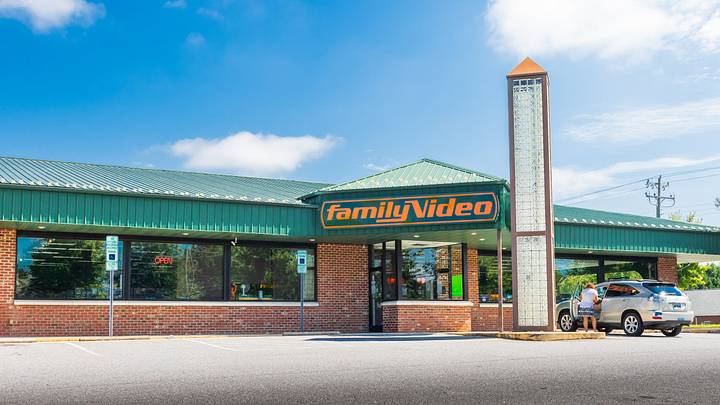
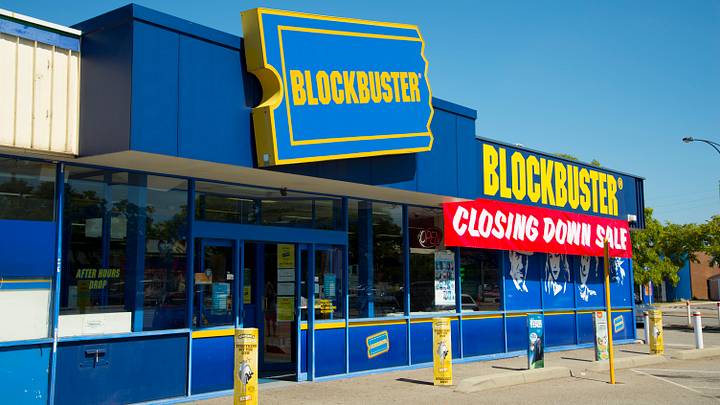
There’s been a growing trend among Gen Zers in recent years around re-embracing physical media, but Millennials got there first. Back in the 90s and early 2000s, you could browse hundreds of titles in your local Blockbuster, pick one or two to keep you entertained over the weekend, and then do the whole thing again the following week.
VIDEO CASSETTE RECORDER
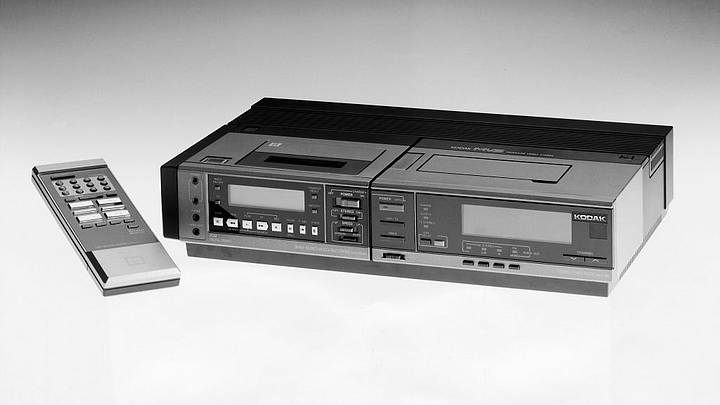
Digitization and streaming not only did away with video rental stores, but also the VCR video cassette players on which you watched the films themselves. There was something pleasingly tactile about pushing the cassette tape into the VCR and pressing play that the streaming age just isn’t able to match.
GLASS-FRONTED TELEVISIONS
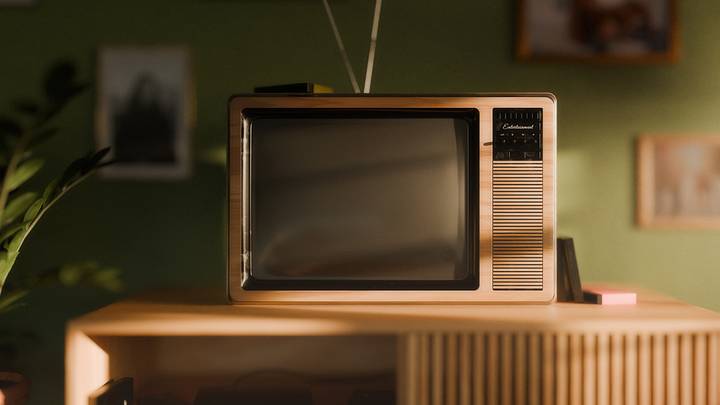
Not only have VCRs disappeared, but so too have those clunky, solid glass-fronted television sets they were connected with. Yes, they were hazy. Yes, they were all but impossible to move. Yes, they took an age to warm up. And no, you couldn’t hang them on the wall. But there must have been some positives, surely?
‘APPOINTMENT’ TV – MTV
On the subject of television, long before catch-up services and streaming platforms became the standard, catching your favorite television program meant catching it there and then, at the time and date that it was scheduled; otherwise you’d be hard pressed to catch it at all. Digital recording services made us less reliable on so-called “appointment” TV in the early 2000s, but these days you can pretty much watch whatever you want whenever you want it (and catch up with clips and behind-the-scenes footage on YouTube besides).
FLOPPY DISKS
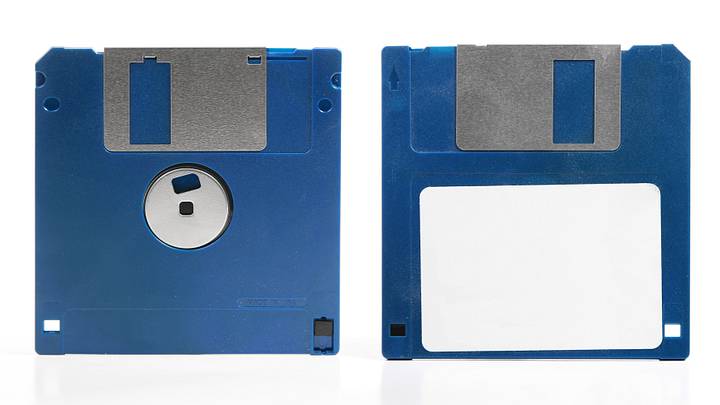
Not only have floppy disks become a thing of the past, but so too have the CD-ROMs that replaced them. Long before USBs, wireless downloads, and Cloud services massively changed the way we use our computers, actual disks—kept in a handy clear-plastic covered storage box—was the only way to access your files and play games on the computers of the past.
WALKMAN
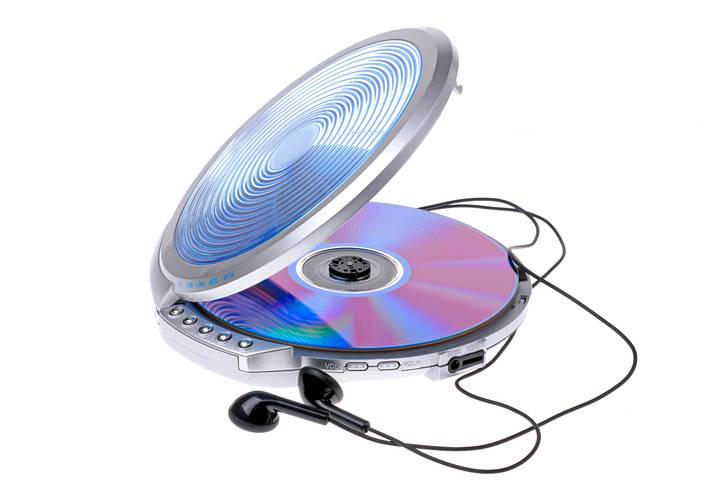
Released by Sony in 1979 before becoming the must-have gadget for music lovers in the 1980s, the Walkman personal cassette player made being out and about, yet still able to listen to your favorite music, a reality for people for the very first time. A decade later, handier (and more easily skippable) portable CD players followed, but both have now been usurped by streaming services and smartphones.
MP3 PLAYERS
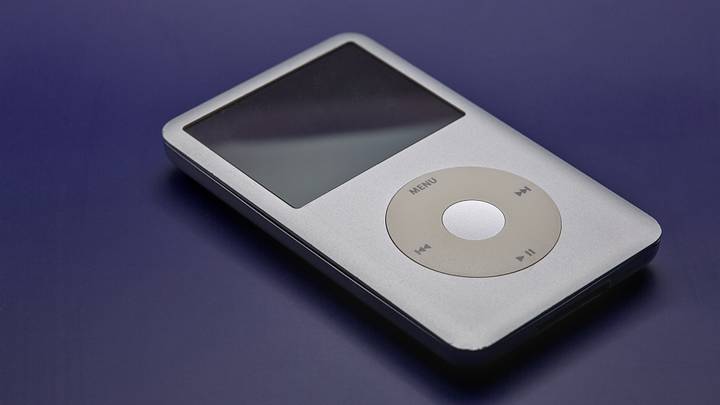
The stepping stone between the physical and portable cassette and CD players of the 80s and 90s and the Wi-Fi powered smartphones of today were the MP3 players of the 2000s. Chief among them, arguably, was Apple’s iPod, introduced in 2001, with its sleek design, scrollable screen and ergonomic controls.
PHOTOGRAPHIC FILM
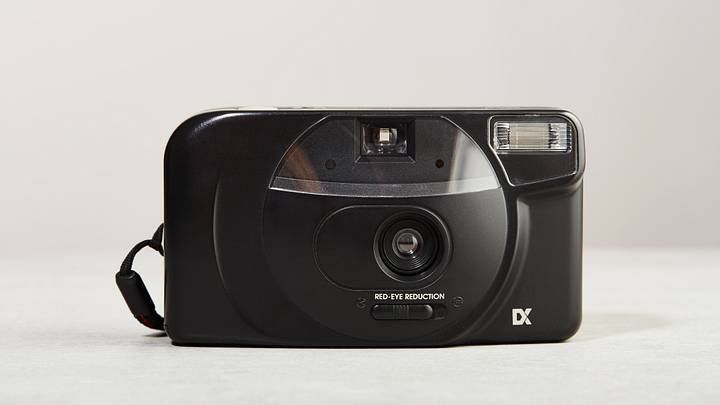
Film cameras are one of a handful of Millennial-friendly gadgets that are making something of a comeback in the 2020s, but their heyday has sadly long gone. Gen Zers and Alphas will never know the feeling of taking a spool of pictures, and then having to wait a few days for them all to be developed in order to see if any of them were any good.
CAMCORDERS
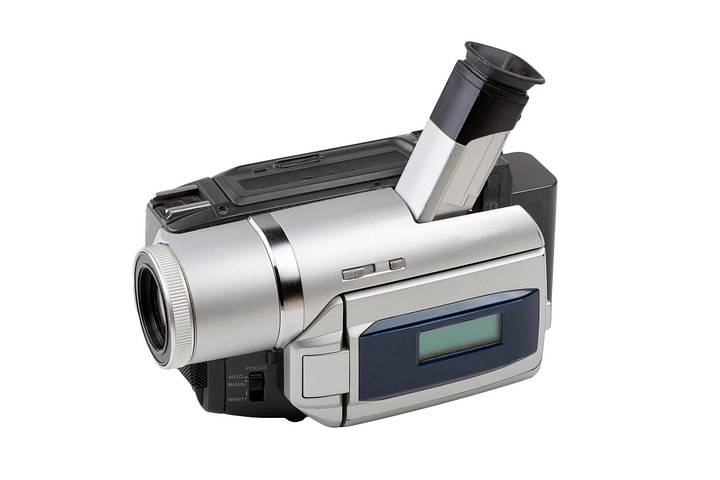
Another once-cutting-edge piece of photographic tech that has long since been downsized and usurped by smartphones was the camcorder. Although the first handheld home video cameras emerged way back in the 60s, it was in the 80s and 90s that they became staples at school plays, graduations, weddings, and other family events—providing comedy clip shows with hours of footage whenever anything went wrong.
ANSWERING MACHINES
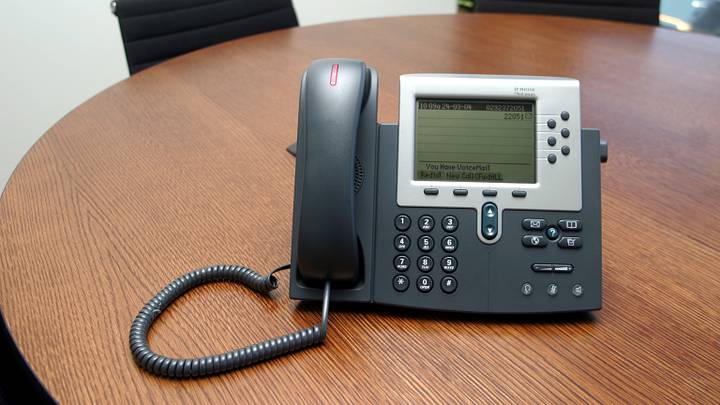
Cell phones, smartphones, text messages, and voice notes have all transformed how we keep in touch with one another in the 21st century, with the result being that even telephones calls are said to be all but going extinct. Another bit of telephone tech that we’ve lost along the way, though, was the humble answering machine—along with its mini cassette tape full of people’s messages.
PAGERS
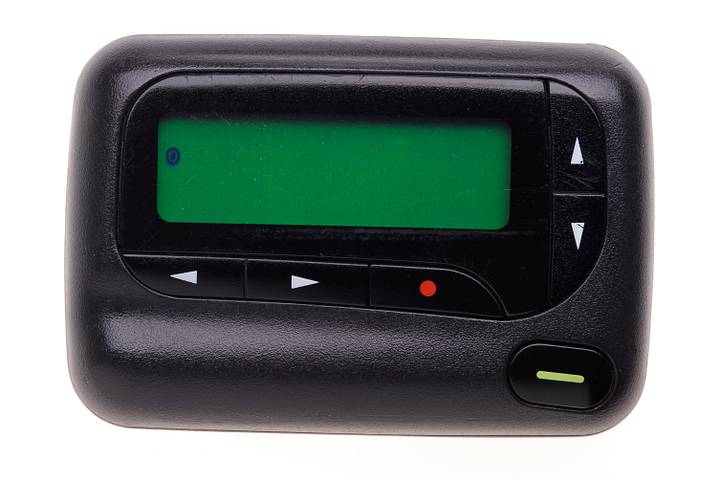
The advent of text messages has also rendered pagers a thing of the past too. At one point in the mid 90s, there were more than 60 million pagers in use around the world; today, you’d be hard pressed to find anyone who still uses one outside of a handful of increasingly niche industries.
LANDLINE TELEPHONES (AND DIAL-UP INTERNET)
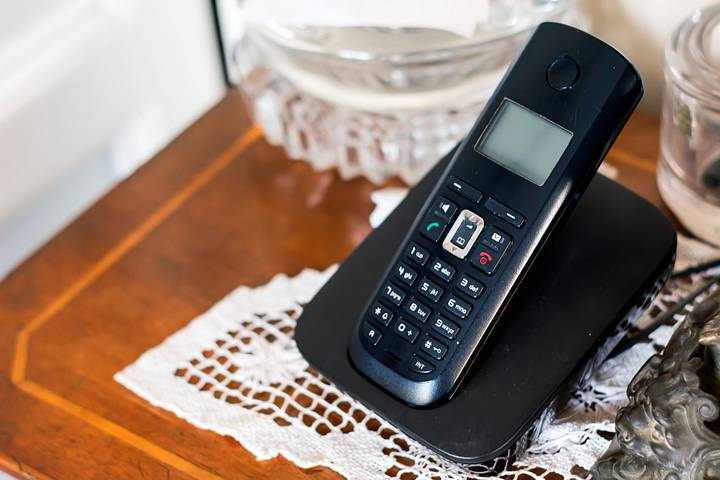
No texting or Facetime-ing your friends in the 90s. If you wanted to arrange a meeting or check what homework you’d missed, you had to call the family landline—which inevitably meant a brief catch-up chat with one of your friend’s parents too. In the early days of dial-up internet, moreover, having a landline in the house meant no one could reach you while you were online, like some kind of dial-up version of airplane mode.
PAYPHONES
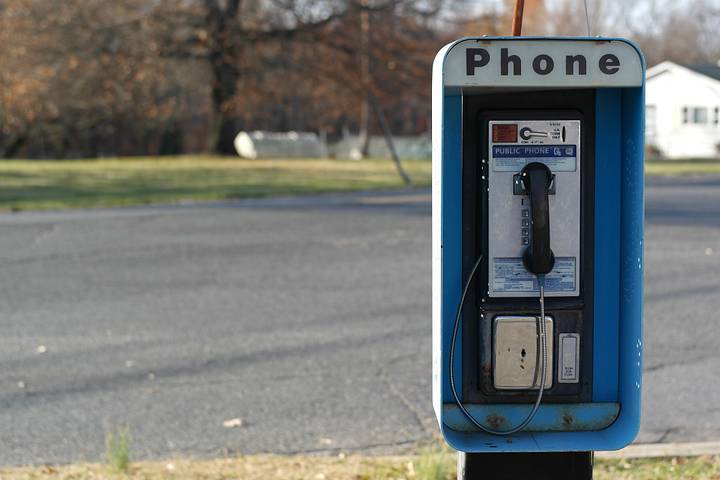
Unless your battery goes or your stuck somewhere in a signal black hole, chances are you’ll never need to use a public telephone booth any time soon too. Back in the day, being out and about and needing to call home or book a taxi inevitably meant finding some loose change and waiting for the coin to drop.
MEMORIZED TELEPHONE NUMBERS
Having a built-in address book in your smartphone has not only made the likes of paper address books and telephone books a thing of the past, but has made it entirely unnecessary to remember all of your friends and family members’ phone numbers, addresses, and zip codes. Doubtless, much to the surprise of anyone Gen Z and beyond, there was a time when your average mom could reel off two dozen of her most-used telephone numbers off the top of her head with no problem at all.
OVERHEAD PROJECTORS
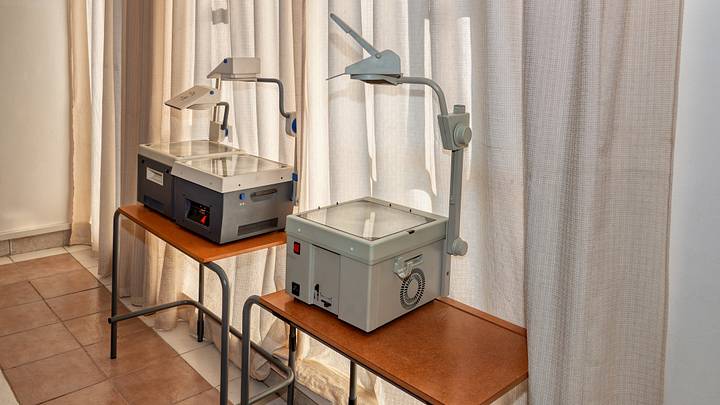
From backpacks to lunch queues, there’s much about the average school day that has barely changed since the 80s and 90s, but some of the surrounding school and classroom technology definitely has. In the days of electronic tablets, laptops, digital projectors, and touchscreen smart boards, there’s sadly no need for the classic overhead projector, along with its handwritten and hand-drawn transparent sheets of classroom notes and homework exercises.
CHALKBOARDS

Whiteboards and smartboards have also done away with the classic chalkboard in many school classrooms—which has the knock-on effect of ridding the school of that musky chalk dust smell that used to fill the halls, and the teacher’s punishment of cleaning the chalkboard erasers after class.
GLOBES AND ATLASES

Once a fixture of geography classrooms as well as school kids’ bedrooms, spinning plastic or wooden globes have likewise become increasingly obsolete in a world now more suited to scrolling Google Earth or Wikipedia to find out more about the world. You’re equally unlikely to find a paper atlas being much used today too—not least while driving, with glovebox road maps long replaced by satnav systems of Google Maps.
DICTIONARIES
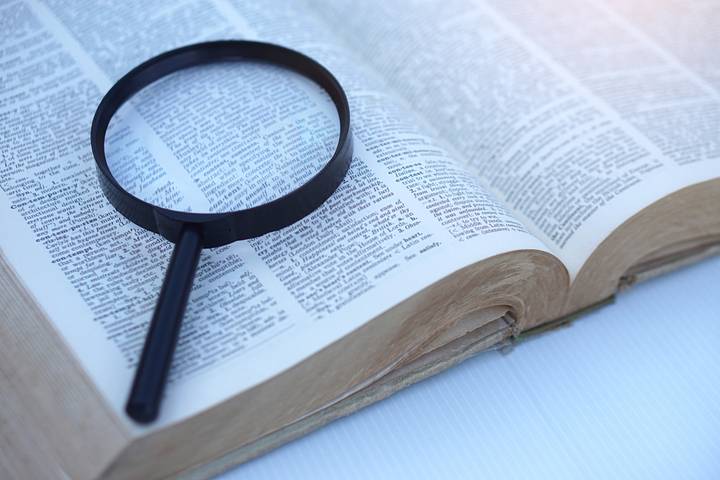
We’re all far more likely to scroll a website or ask a search engine for the spelling or meaning of a word these days too, rather than haul a dusty old tome off the shelf and check a definition or a typo by hand. Multi-volume encyclopedias too are becoming ever more old-fashioned in a world where you’re more likely to carry the sum of all human knowledge in an entirely searchable mobile telephone kept in your pocket than on a groaning bookshelf at home.
CARD CATALOGS
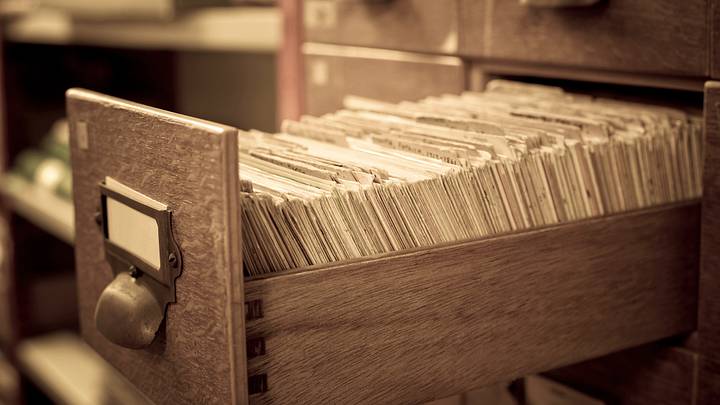
Head down to your local library (if that too hasn’t already gone by the wayside), and its catalog of books will likely no longer be kept in banks of card-filled A-to-Z drawers, either. Instead, you’ll likely have to search the catalog database online—saving time, certainly, but doing away with another far more tactile Millennial experience.
MCDONALDS PARTIES
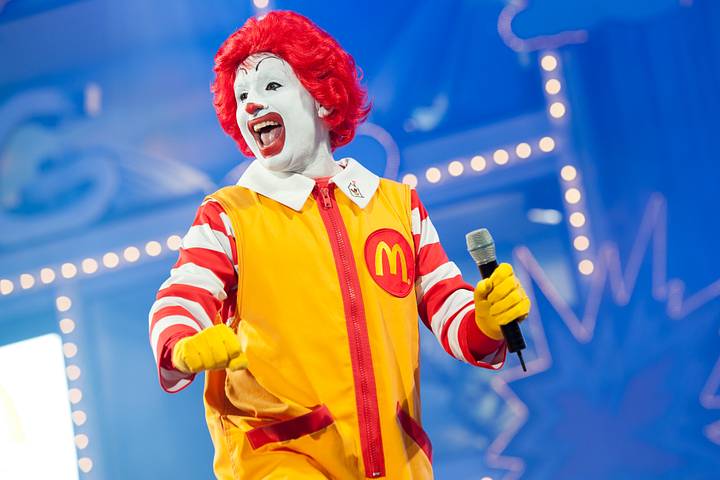
You can still book a party in many McDonalds branches and franchises these days, of course, but back in the 80s and 90s there was something far more special about it—right down to the indoor carousels, effigies of the characters, and (if you were lucky) live-action Ronald McDonald.