
ByRoger Cormier|Dec 28, 2019, 8:00 AM EST
 Add us as a preferred source

The Aviator—the second collaboration between Martin Scorsese and Leonardo DiCaprio—was the long-awaited (and, according to some, unfilmable) biopic of the enigmatic Howard Hughes. Set largely between the late 1920s, when Hughes was a film producer, and the late 1940s, when Hughes was a rich aviation pioneer losing control due to his OCD, the 2004 film featured an all-star cast including DiCaprio as Hughes, plus Cate Blanchett, Kate Beckinsale, John C. Reilly, Alec Baldwin, Jude Law, Willem Dafoe, and Alan Alda. Here are some facts about The Aviator that may or may not be the way of the future.
1. Steven Spielberg and Christopher Nolan both toyed with the idea of making a movie about Howard Hughes.
Throughout the 1980s, Steven Spielberg expressed an interest in directing Warren Beatty in a “Citizen Kane-like” biopic of Hughes, calling Hughes a “very interesting subject” in 1990. After directing Insomnia (2002), Christopher Nolan was set to direct Jim Carrey as Hughes before Scorsese got started on The Aviator. Word spread that Nolan was planning to go ahead with his interpretation in 2012 anyway, but that he would use different source material than The Aviator. Nolan later changed his mind.
2. Nicole Kidman was Martin Scorsese’s second choice to play Katharine Hepburn in The Aviator.
Cate Blanchett was Scorsese’s first choice for the role, but she had a prior commitment; so Scorsese turned to Kidman. Rumors circulated that made it unclear as to whether Kidman was ever officially offered the role and/or turned it down, but Scorsese insisted that Blanchett was always his first choice. When production on The Aviator was delayed, Blanchett was able to play the role of the iconic actress after all.
3. Cate Blanchett did her homework for The Aviator.

At Scorsese’s request, Blanchett watched all of Hepburn’s first 15 movies. Blanchett also screened Hepburn’s 1973 interview with Dick Cavett, read a memoir about her, took golf and tennis lessons, and took cold baths just like Hepburn. On June 29, 2003—the same day that Blanchett arrived on set for the first time—Hepburn passed away. “I picked up the paper thinking, ‘Isn’t it odd that Katharine Hepburn’s on the cover?'” Blanchett recalled. “She had such a remarkable life, and then with her death, she was even more present in everyone’s mind.”
4. Gwyneth Paltrow was originally signed to play Ava Gardner in The Aviator.
The part went to Kate Beckinsale instead, for unknown reasons. Beckinsale gained 20 pounds to play Gardner—mainly by eating chocolates.
5. Martin Scorsese wanted to cast Gwen Stefani after seeing her picture on the side of a bus shelter.
The Marilyn Monroe-inspired pictures, taken by Herb Ritts for a Teen Vogue cover, caught Scorsese’s eye. Stefani told MTV the story, as she heard it from DiCaprio. “Martin Scorsese’s driving in New York City and he sees my Teen Vogue cover on the side of a bus stop shelter. And he’s like, ’Who’s that girl? Let’s get her!’ I had Leonardo DiCaprio tell me the whole story in Martin Scorsese’s voice, so it was pretty bizarre.” Stefani portrayed Jean Harlow; it was her first film role.
6. Screenwriter John Logan wrote 15 drafts of The Aviator over five years.

Screenwriter John Logan (Gladiator, Skyfall) came up with an original script of 225 pages. DiCaprio read each draft and talked with Logan about history and read Senate transcripts of the Hughes trials. Logan, DiCaprio, and Scorsese went through the scripts page by page, with DiCaprio reading Hughes’s part and Logan reading all the others.
7. Leonardo DiCaprio learned to fly for The Aviator.
According to the official production notes, the Titanic star learned how to fly Hughes’ “daredevil” aerial maneuvers. He also read several books about Hughes, listened to tape recordings of him, watched his old movies, and talked about Hughes with Jane Russell (star of Hughes’ The Outlaw) and Terry Moore (Hughes’ alleged wife), in addition to working with Dr. Jeffrey Schwartz of UCLA, a leading physician on obsessive compulsive disorder.
8. In real life, there was no Professor Fitz.
Logan had to make characters out of conflations of some real people in Hughes’ orbit, and in one case had to create a whole new person in Professor Fitz, played by Ian Holm.
9. The color palette in The Aviator changes as time progresses.

Scorsese decided he wanted the Technicolor two-strip red and blue-green look for the first act, which took place up to 1936, to approximate as much as possible the color film technology available during that time, and then the bright cyan-magenta-yellow three-strip Technicolor look in the scenes portraying the 1940s and ’50s.
10. Model airplanes were used in The Aviator.
The Huntington Beach, California based Aero Telemetry constructed 11 model airplanes. The “Spruce Goose” they made featured a 25-foot wingspan, weighed 375 pounds, and flew with electric motors.
11. John C. Reilly defied Martin Scorsese.

Despite the director asking everyone on the set of Gangs of New York (2002) to call him “Marty,” Reilly—Happy Jack Mulraney in Gangs of New York and Noah Dietrich in The Aviator—kept calling him “Mr. Scorsese,” believing it to be disrespectful to do otherwise. Reilly believed it drove the director “mad.” By the end of filming for The Aviator, Reilly finally started referring to his director as “Marty.”
12. The Aviator went $500,000 over budget.
Scorsese personally paid the $500,000 out of his own pocket to cover the overage.
13. Jane Lynch played Amelia Earhart in The Aviator—but you probably don’t remember seeing her.
If you’re wondering why you don’t remember seeing Jane Lynch in the film, it is because her scenes were cut out entirely.
9 Slang Words From the 1980s We Still Use Today
The decade of MTV, shoulder pads, and big hair gave us some of our favorite and most expressive words.
ByLogan DeLoye|Nov 9, 2026, 6:00 PM EST
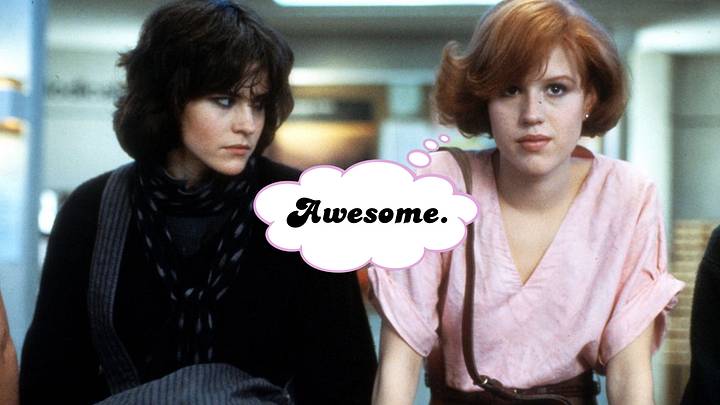
The ‘80s were tubular; each year made a bold, colorful statement in music, movies, style, and slang.
It’s hard to believe the decade of cult-classic blockbusters, big hair, MTV, and shoulder pads began almost 47 years ago, though some trends have made a comeback in the 2010s and 2020s, like high-waisted jeans and neon-colored clothing.
The ’80s are remembered for next-generation technology: the Sony Walkman, VHS tapes, boomboxes (cue John Cusack), CDs, camcorders, and the Nintendo Entertainment System.
Hair was always teased, and hairspray was a non-negotiable for men and women. Music videos took over pop culture; Michael Jackson had us dancing with Billie Jean, and Madonna invited material girls to live in a material world.
Movies that remain beloved, including Ferris Bueller’s Day Off, E.T. the Extra-Terrestrial, Back to the Future, Top Gun, The Breakfast Club (or really anything with Molly Ringwald), Ghostbusters, Raiders of the Lost Ark, and Return of the Jedi, lit up theater marquees in the ’80s.
Beyond fashion, media, and tech, the ’80s also gave us several slang terms. Some faded as soon as they arrived, while others stuck around.
According to Your Dictionary, here are nine ‘80s slang words we still use today.
CRUSING
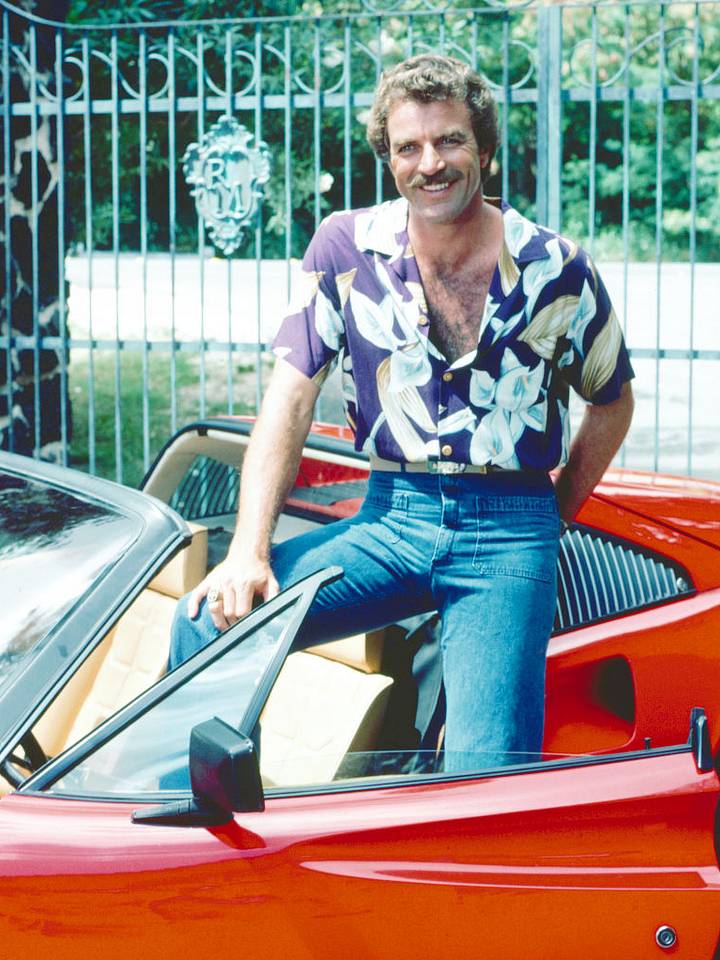
Definition: “To travel without destination or purpose.”
In a sentence: He asked if I wanted to take a drive, and we went cruising all night.
“Cruising” in the 1980s meant enjoying a long drive with nowhere specific to go. If someone invited you to “cruise” or said they were out “cruising,” you knew they were driving around aimlessly.
In 2026, “cruising” still describes a leisurely drive without a destination, just for fun.
HARSH
Definition: “Unpleasant and difficult to accept or experience, physically discomforting, overly intense.”
In a sentence: The bar was filled with smoke and the harsh smell of cigarettes.
The word “harsh” has always sounded, well, unpleasant, so it’s no surprise its meaning took on the same tone. Since the ’80s, people have used harsh to describe something uncomfortable or intense.
In 2026, we use it the same way, whether we’re talking about someone’s actions, a tough experience, or something extremely unappealing, like a bright light shining right in your face.
AWESOME
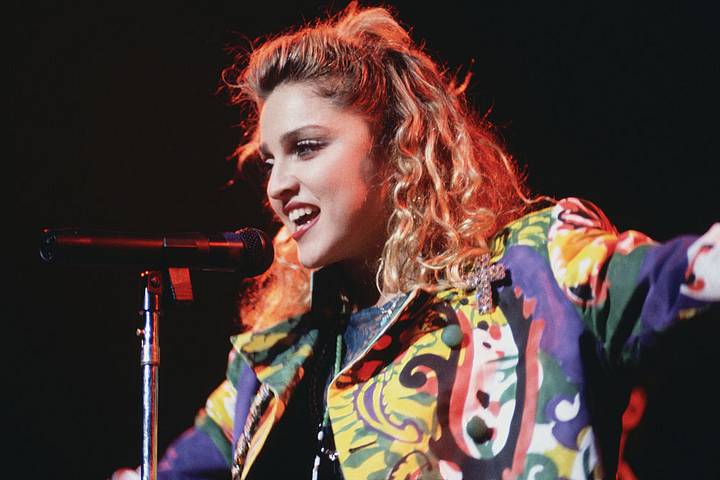
Definition: “Terrific, extraordinary.”
In a sentence: I listen to that song on repeat; it’s awesome!
Awesome is one of those words that has never lost relevance. The ’80s popularized it as the go-to way to describe something amazing or exceedingly cool.
In 2026, people of all ages still use “awesome” to express excitement about something (or someone) extraordinary.
FOR SURE
Definition: “Without doubt or question, certainly.”
In a sentence: He was the nicest person I ever met, for sure.
The slang “for sure” is another classic that has stuck around, and hopefully always will. In both the 1980s and 2026, it’s an easy way to say “of course,” often to reassure someone or dispel uncertainty. Sometimes a casual “for sure” is just what someone needs to hear in an anxious moment.
OUTRAGEOUS
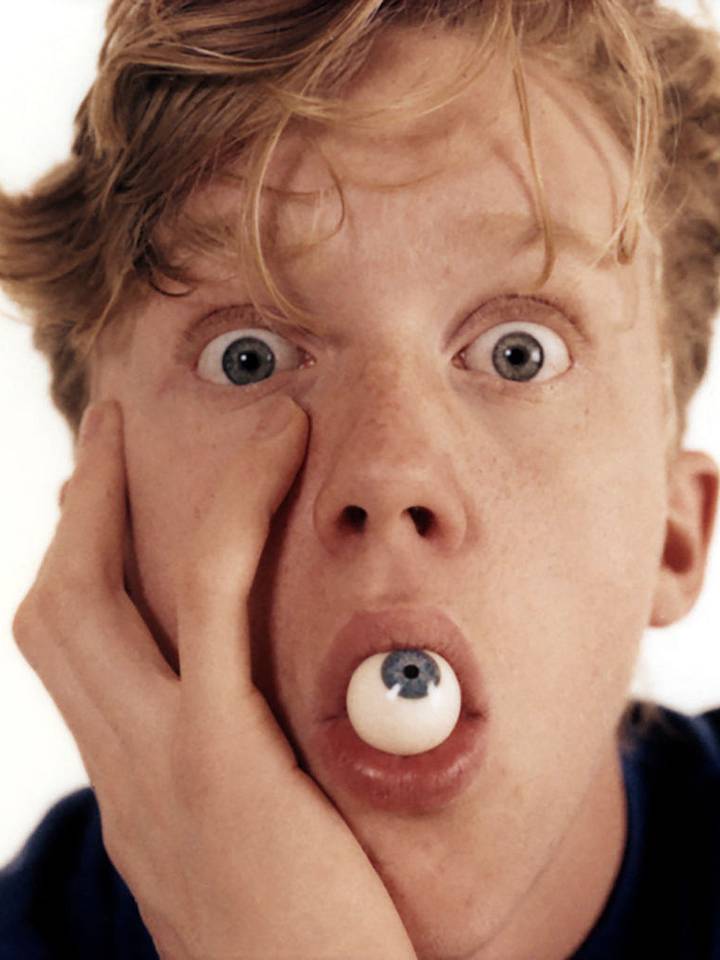
Definition: “Not conventional or matter-of-fact, exceeding the limits of what is usual.”
In a sentence: People wore outrageous costumes to the concert, and don’t even get me started on the band.
Outrageous is a fun, expressive word that spices up any conversation. In the ’80s, it described something so bold or abnormal that it was actually cool. In 2026, we use it less as a compliment and more to denote something shocking, but the basic meaning remains.
BURN OUT
Definition: “Exhaustion of physical or emotional strength or motivation, usually as a result of prolonged stress or frustration.”
In a sentence: She worked so hard that she was afraid she would burn out before the Q4 meeting.
“Burn out” is so common today that we forget people used it to describe the same feeling in the ’80s. Someone who was burnt out was totally exhausted and just over it.
In 2026, we use “burn out” to describe how we feel after a long workday, or maybe a tough year that’s absolutely depleted our motivation. Anything that leaves someone feeling overly drained (work, a conversation, or a hobby) is an example of burnout.
WHOA
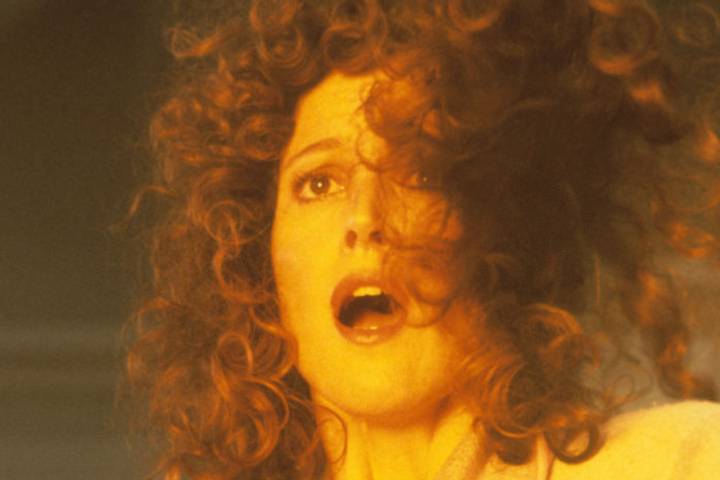
Definition: “Pause to consider or reconsider, often used to express a strong reaction.”
In a sentence: Whoa, that is one fun pair of sunglasses!
Whoa, like many words on this list, has definitions that couldn’t be more different. Centuries ago, people riding horseback or steering carriages used “whoa” to slow or stop the horses.
In the 1980s, “whoa” became an exclamation of surprise or intense reaction, both pleasant and unpleasant. In 2026, we say “whoa” to express excitement, surprise, or concern, depending on the instance.
CHILL
Definition: “Having a laid-back style or easy demeanor; having a relaxed style or manner.”
In a sentence: He wanted to go to the mall, but I had a long day and just wanted to chill.
“Chill” has lots of meanings, both formal and informal. In the ’80s, it broke away from its “cold” definition and became slang for someone or something calm, laid-back, or relaxing.
In 2026, we still use “chill” to describe someone who’s low-key, or to signal when we want to unwind.
EXCELLENT
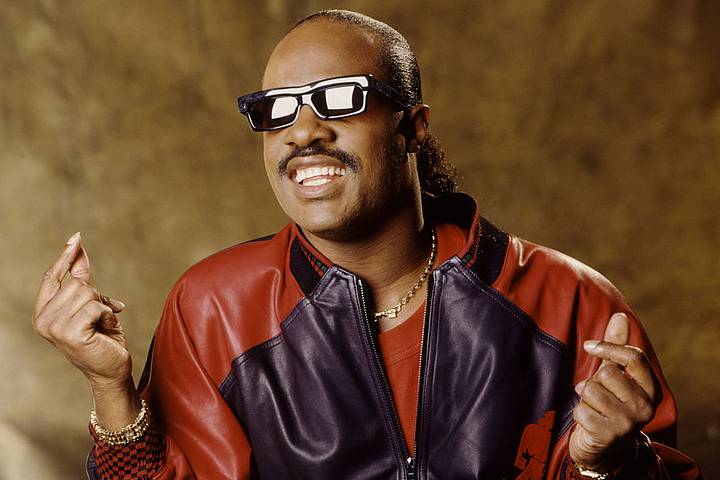
Definition: “Very good of its kind: eminently good.”
In a sentence: She had an excellent taste in music, especially when it came to r&b.
According to Merriam-Webster, “excellent” may not have been invented in the ’80s, but the decade surely made it a household word. Back then, people used “excellent” to describe something very good.
In 2026, we use “excellent” when “good” or “great” doesn’t fully explain how we feel.
Read More:
•
20 Everyday Things From the ’80s and ’90s That Are Now Worth Money
•
80 Totally Awesome Facts About the ’80s
•
7 Misconceptions About the ‘80s
6 Foods Families Really Ate During the Gilded Age
That lavish spread you saw in ‘The Gilded Age’? From towering aspics to sea turtle soup, high society’s favorite dishes weren’t a Hollywood creation, but actual history.
ByNitya Rao|Nov 7, 2026, 8:00 PM EST
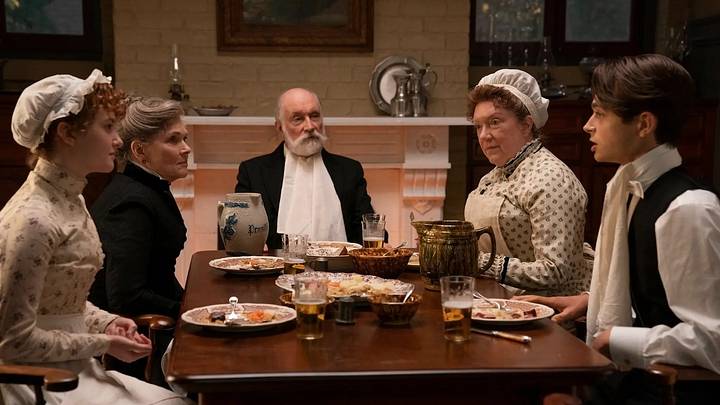
If “you are what you eat,” then you might want to rethink “eating the rich.” From our history books to the HBO series The Gilded Age, records and recreations show that the wealthiest Americans often ate foods that would make a poor man’s plate look a lot more appealing.
The Gilded Age shows that not everything that glitters is gold. This flashy period between the 1870s and 1900 was fueled by new money at the hands of tycoons like Vanderbilt and Carnegie—fortunes that embossed New York’s Fifth Avenue and Newport, Rhode Island, in glitz and gold leaf. The era was a snapshot of America’s elite that included clifftop “cottages,” lavish balls, and… tureens of turtle soup?
That’s just one of the delicacies that graced Gilded Age tables. While the servants and working class—like the show’s Mrs. Bauer and Jack Trotter—ate far simpler fare and leftovers, the upper crust’s menu was a lot more eclectic.
From oysters on the half shell to meat jelly, here are five foods families really ate during the Gilded Age that you may or may not see on season 4 of HBO’s namesake show.
Celery
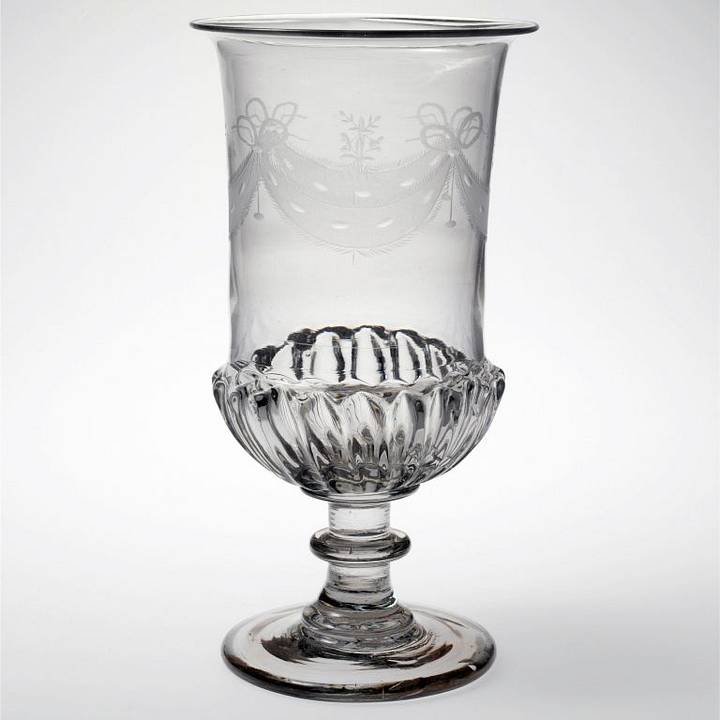
Today, we see celery as nothing more than the free side given with chicken wings. But back in the Gilded Age, this crunchy, watery vegetable was the centerpiece of the meal—literally. 19th-century aristocrats even had decorative glass “celery vases” made to hold the hard-to-grow stalks, displaying the unlikely status symbols upright for all to see. As celery production increased and its price decreased, Gilded Age chefs began experimenting with the vegetable in the kitchen—braising it, dressing it in mayo, and more.
Oysters
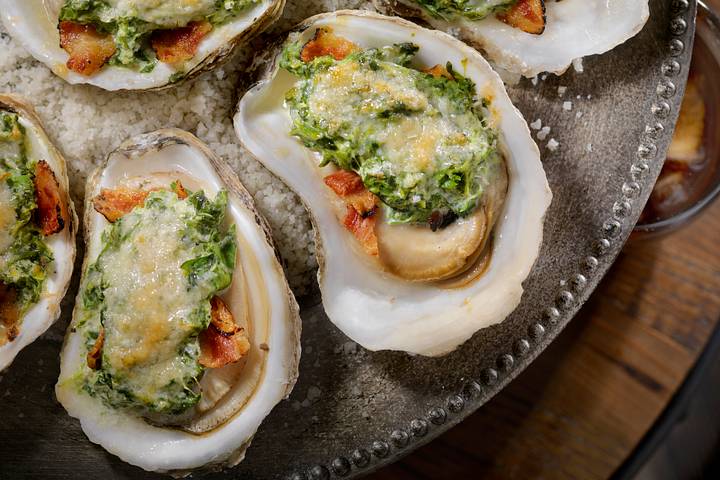
No trip to Newport is complete without stopping by Midtown Oyster Bar for a dozen on the half shell, and back in the Gilded Age, high society was just as obsessed. Much like lobster, oysters had a humble beginning as a working-class staple across 19th-century coastal cities. They were shucked and slurped down by maritimers on the streets of New York long before becoming an elegant appetizer on Gilded Age menus. From raw oysters on sparkling beds of crushed ice to decadent baked preparations like Oysters Rockefeller, the modest mollusk underwent one of the greatest glow-ups in culinary history.
Turtle Soup
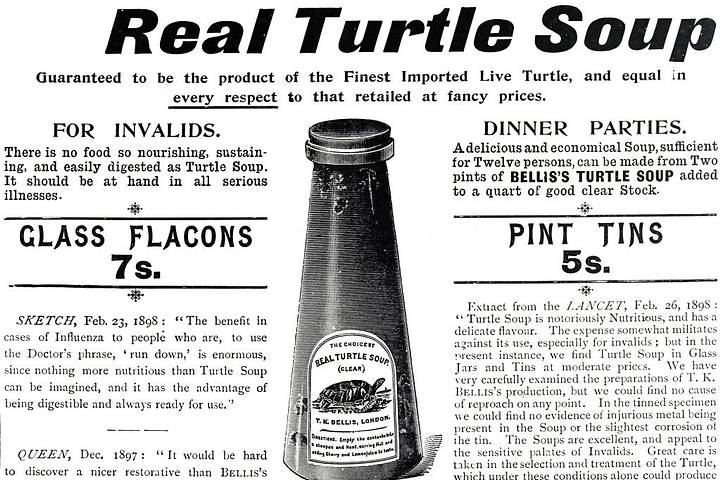
On The Gilded Age, most meals start with the clink of silver spoons against porcelain bowls. Menus from Gilded Age establishments like Delmonico’s and period etiquette magazines back up this soup starter standard. An excerpt from Godey’s Lady’s Book on how to throw a proper dinner party goes as follows: “Commence dinner with raw oysters, then a choice of one or two soups.”
The soup du jour wasn’t always lobster bisque or cream of celery, though. A luxury at the time—and a dish rarely seen today due to strict conservation protections—turtle soup was all the rage in the Gilded Age. Chefs favored the diamondback terrapin, a turtle found from Cape Cod down the Gulf Coast. Whether eating out at a fine dining establishment in the city or hosting an intimate dinner party, these turtles were boiled, chopped, and finished with a swish of sherry before landing on high-society tables in the 1880s and ’90s. That is, until overhunting almost wiped the creature out by the 1910s, sending prices soaring and pushing the dish off most menus.
Aspic
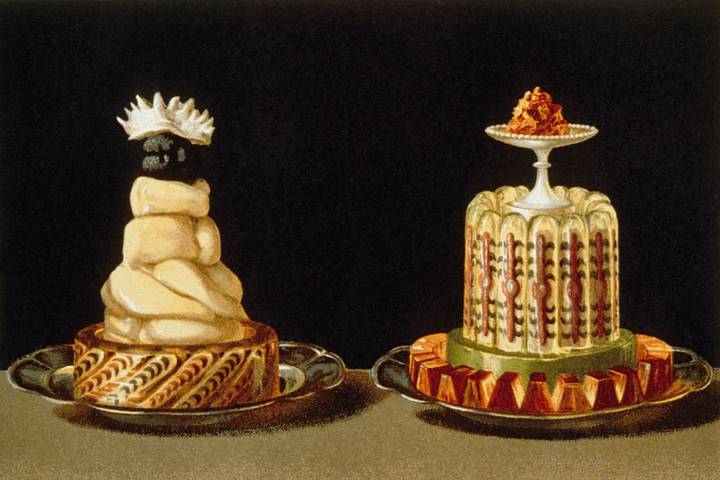
Before 1950s housewives discovered Jell-O molds, Gilded Age kitchens were constructing towering aspics that served as equal parts savory centerpiece and sign of a master chef. These edible gelatinous sculptures—which migrated from Europe and were made from boiled animal bones before powdered gelatin was popularized in the late 1800s—contained meat, fish, produce, and eggs suspended in translucent broth like an edible display case. Served midway through formal multi-course banquets, colorful aspic creations were more of an art form than the cold course they were presented as.
Charlotte Russe
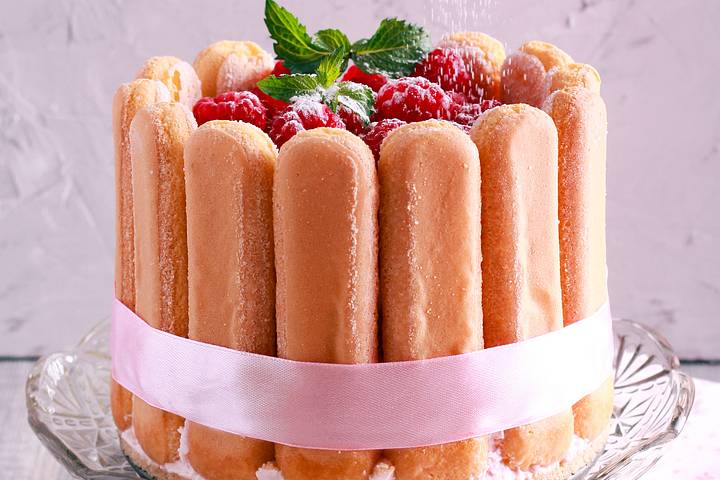
You might recognize the name from the popular 2000s women’s clothing store, but unlike the store, this sweet, berry-topped cake wasn’t always made for the masses. Concocted by French chefs in the late 18th century and said to be named in honor of Queen Charlotte, Charlotte Russe cake—a tower of ladyfingers surrounding cold Bavarian cream or custard and berries—was the creme de la creme of Gilded Age dessert spreads.
While the nouveau riche enjoyed decadent riffs, sometimes even decked out with a decorative ribbon, the treat eventually evolved past wedding breakfasts and banquets of the elite. Decades later in the 20th century, the spongy sweet shifted from the white tablecloths of Delmonico’s to the streets of Brooklyn, where pushcart vendors served simplified versions out of cardboard cups to working-class New Yorkers.
Read More:
•
6 Foods Families Really Ate During the Middle Ages
•
6 Foods Families Really Ate in the Times of ‘Little House on the Prairie’
•
What Did People Eat for Breakfast in Colonial Williamsburg?
•