From pronouncing the name of one of the Beastie Boys to how to say “Sade” correctly, here are a few tips for your tongue.
ByJake Rossen|Feb 16, 2024, 9:26 AM EST
 Add us as a preferred source

If you know your favorite musical act only by what comes up on their Spotify tracks, you may be surprised to find you’ve been mispronouncing their name all along.
1. Rihanna
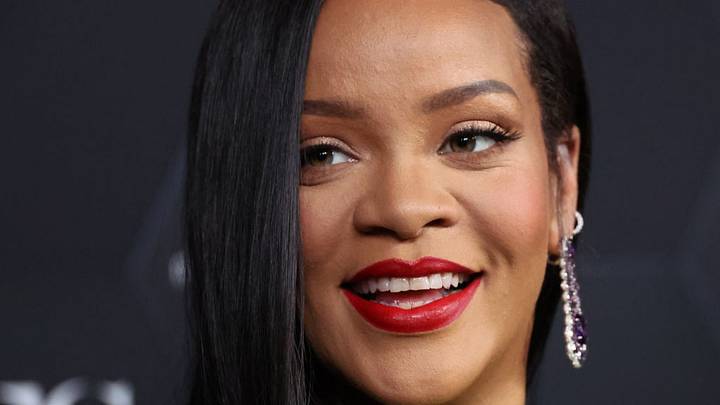
If you’ve been saying the “Umbrella” singer’s name as “Ree-AH-na,” you’re all wet. Her name is pronounced “Ree-ANN-uh.” Writing a song titled “What’s My Name” was probably not a coincidence.
2. Haim
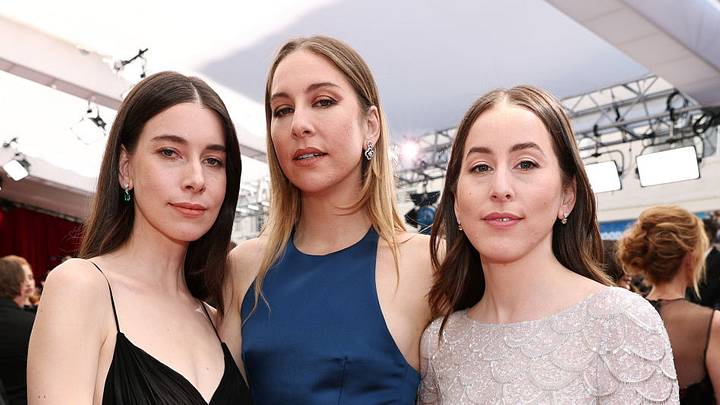
The trio of sisters get “Haim” as in Corey Haim, but it’s actually pronounced “HI-uhm.”
3. Sade
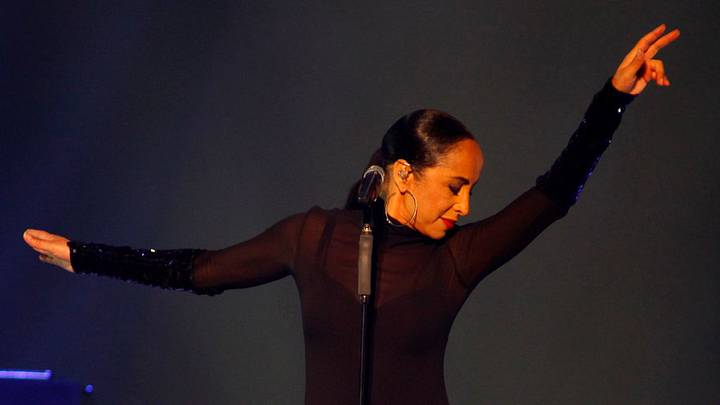
Born Helen Adu, the graceful singer can often be labeled “Sadie” or even “Shar-day.” It’s actually “Sha-DAY.” That’s also the name of her band, but most people consider Sade a solo act.
4. Björk
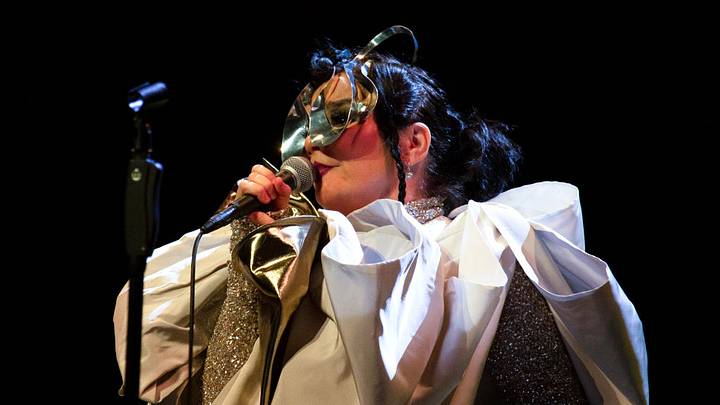
The Icelandic singer has likely given up correcting people who say “Bee-york” a long time ago, but you probably stand a better chance of an autograph if you say it properly: “Bee-YERK.”
5. Hozier
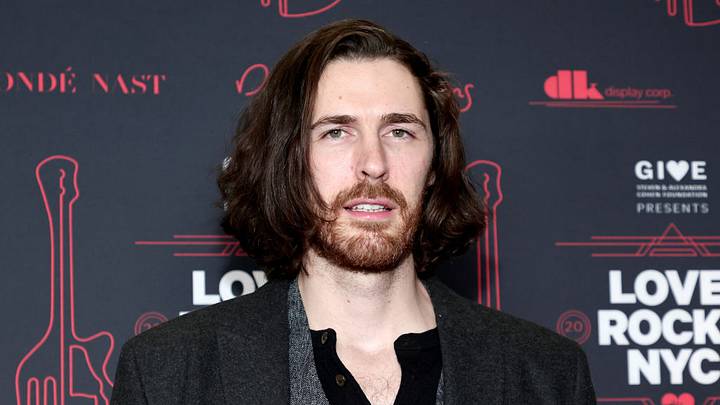
Irish singer Hozier has heard it all, from “Hose-ee-air” to “Hozzer.” According to the musician himself, it rhymes with cozier—“HOH-zee-ur.”
6. David Bowie
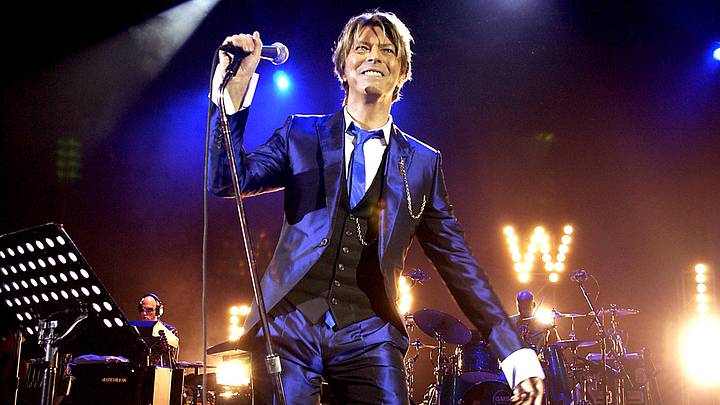
Proving you can be as famous as any person who has ever lived and people will still mess up your name, rocker David Bowie isn’t “Bow-ee” where the “bow” rhymes with bow as in “take a bow.” It’s “BOH-wee,” like doughy. (In a 2000 interview where the interviewer pronounced his name “BOW-ee,” Bowie responded, “I don’t even know how to pronounce it any more, I’ve lost track. I always thought it was ‘BOH-ee,’ I thought it’s a Scottish name, it must be ‘BOH-ee,’ but no-one in Scotland pronounces it like that, they pronounce it ‘BOO-ee’ I think.”)
7. Adam Yauch
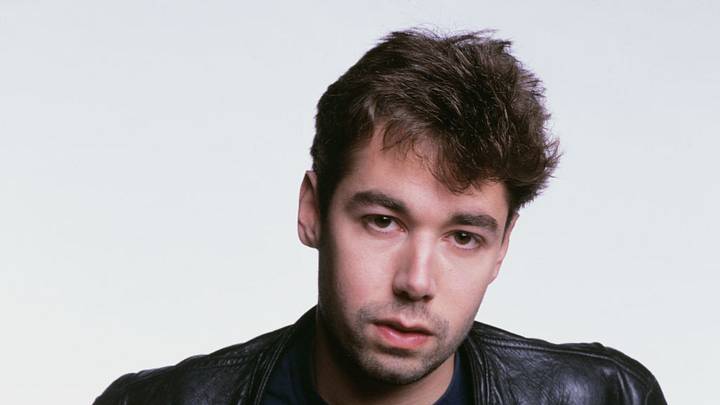
The Beastie Boys co-founder might have gotten “Yuck,” but it’s “Yowk.”
8. Ric Ocasek
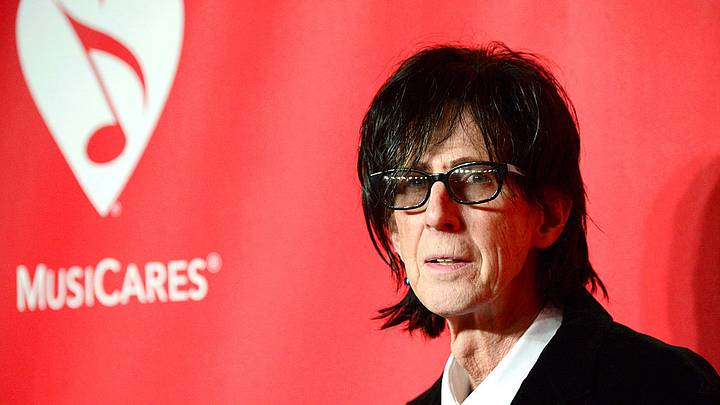
The Cars member is “Oh-CASS-ick,” not “Oh-CASE-ick.”
9. Ray Davies
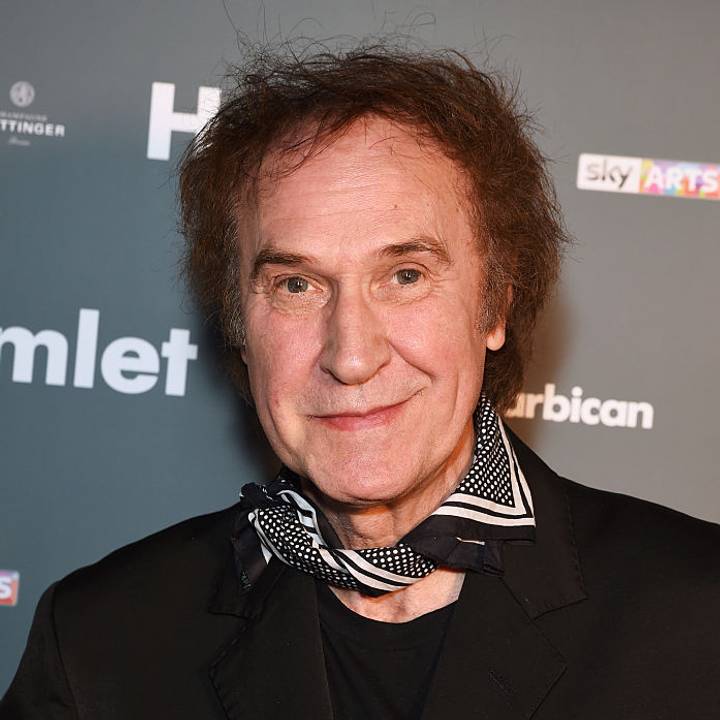
The lead singer of The Kinks didn’t pronounce it “Day-vies” but “DAY-viz.”
10. Macklemore
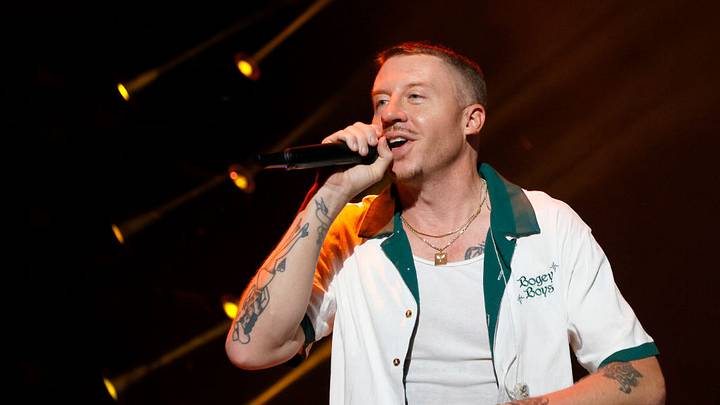
The “Thrift Shop” and “Can’t Hold Us” singer gets “Mackle-more” a lot, but it’s actually “MACK-la-more.”
11. Chad Kroger
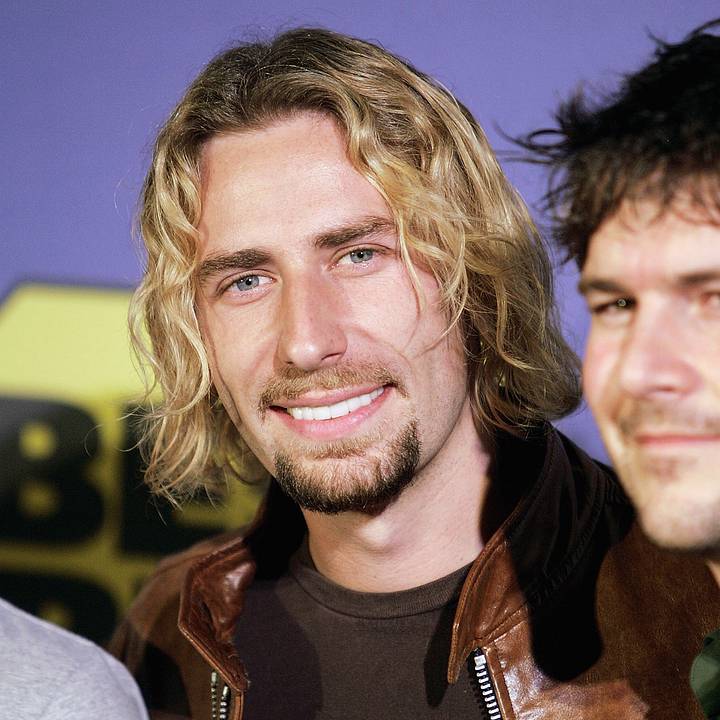
Nickelback singer Chad Kroger’s name is often pronounced “KROH-ger,” like the grocery chain—but as the singer himself told Loudwire in 2022, “It’s KROO-ger, don’t trust the internet … If I just stop and go, ‘Actually, it’s Kroeger,’ I’m gonna look like such a d**k. So I’m just like whatever, I don’t care.”
Read More Articles About Commonly Mispronounced Names:
•
30 Irish Names You’re Probably Mispronouncing
•
25 Welsh Names You’re Probably Mispronouncing
•
20 Spanish Names You’re Probably Mispronouncing
•
30 Author Names You Might Be Mispronouncing
•
20 German Names You’re Probably Mispronouncing
•
25 Arabic Names You’re Probably Mispronouncing
•
27 Actor Names You’re Probably Mispronouncing
•
21 French Names You’re Probably Mispronouncing
•
15 Historical Figures’ Names You’re Probably Mispronouncing
12. Sleater-Kinney
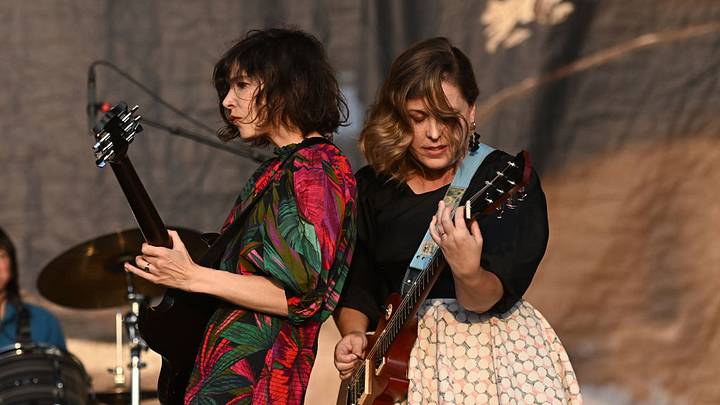
You might be tempted to pronounce the first word in the name of this rock band—which was co-founded by Portlandia star Carrie Brownstein—“SLEE-ter,” but it’s actually “SLAY-ter.” The band took its name from a road located between Seattle and Portland.
13. Bon Iver
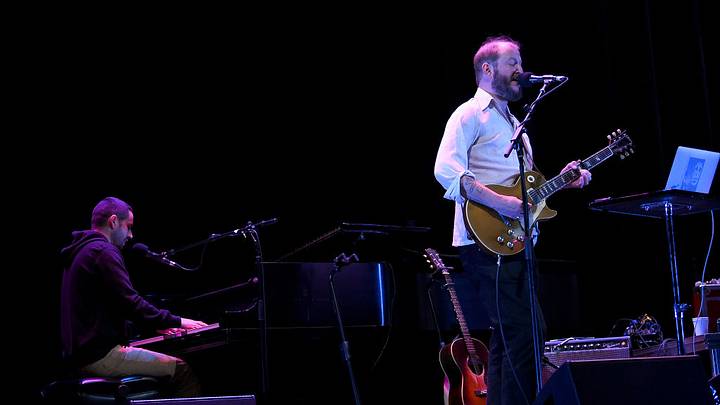
Don’t call this band “bon-EYE-ver”—it’s “bone-ee-VARE.” As band founder Justin Vernon explained in an interview with Pitchfork, “When I was living up north I wrote a letter. I’d come across a story about this Alaskan town that the people, the first snow of every year, they come out of their houses and gather in town square. They hug and kiss each other and they say ‘Bon Iver.’ I was like, ‘whatever that is, that’s cool!’ … Then I found out how it’s spelled [bon hiver] and it was sort of disappointing. I didn’t like how it looked. It didn’t have any emotion. … I wanted to look at it and feel something. It was sort of a compromise. I sorta wanted it to be like ‘Bon Iverre,’ sort of like how I saw it, but that didn’t look good either, so I just decided to chop off the h.”
14. Billie Eilish
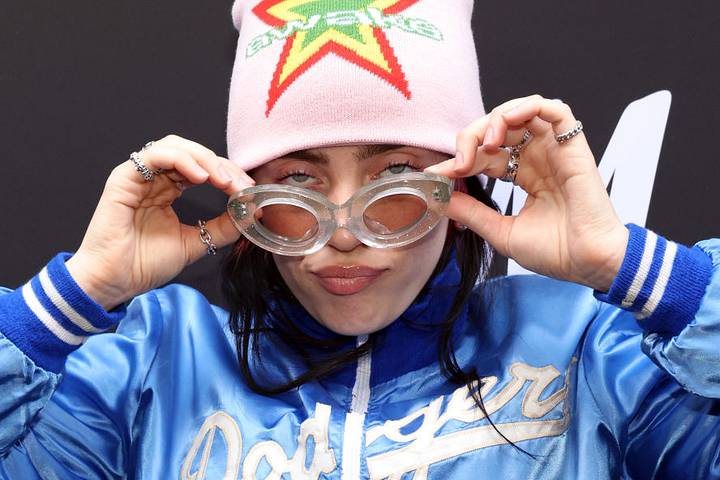
Billie Eilish may have sold millions of records before she turned 21, but that hasn’t stopped a number of news outlets from butchering her last name: It’s “EYE-lish,” not “EE-lish” or “EL-ish.”
A version of this story ran in 2022; it has been updated for 2023.
Related Tags
20 Legendary Artists Who Never Had a No. 1 Hit
They made songs everybody knows by heart that never hit the top of the Billboard Hot 100.
ByMatt Hoffman|Oct 28, 2026, 8:00 AM EDT
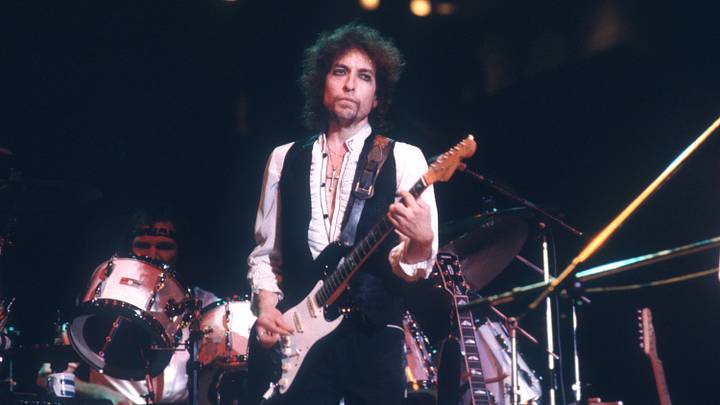
Back in August 1958, Billboard published its first Hot 100, with Ricky Nelson’s “Poor Little Fool” at No. 1. In the decades since, that top spot has gone to the likes of the Archies and Henry Mancini’s orchestra—but never to any of the iconic acts on this list.
Here, we’re talking about songs they performed rather than songs they wrote for other people, which don’t count, nor does a charity single like “We Are the World.” Mental Floss has already quizzed readers on the No. 1s that classic rock bands did produce; this list is about the acts that never got there, in order of how close they came.
Bob Dylan
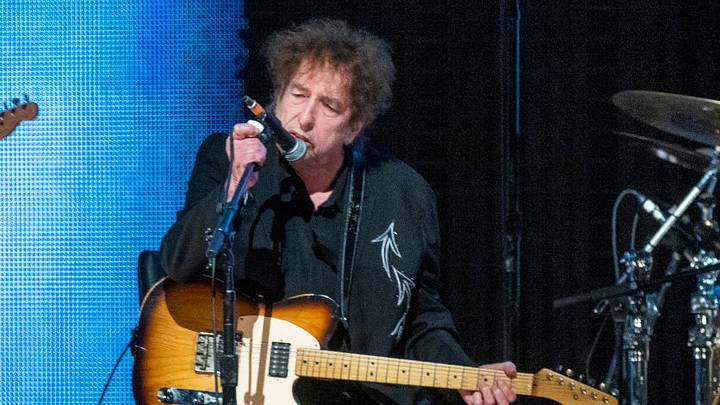
“Like a Rolling Stone” reached No. 2 on the chart dated Sept. 4, 1965, and spent two weeks there behind the Beatles’ “Help!” The next spring, “Rainy Day Women #12 & 35” stalled at No. 2 behind the Mamas & the Papas’ “Monday, Monday.” Dylan’s name did reach the top once, as a writer: the Byrds took his “Mr. Tambourine Man” to No. 1 on June 26, 1965, four weeks before “Like a Rolling Stone” entered the chart.
Creedence Clearwater Revival
“Proud Mary,” “Bad Moon Rising,” “Green River,” “Travelin’ Band,” and “Lookin’ Out My Back Door” all peaked at No. 2 in 1969 and 1970, the most runner-up hits for any act that never reached No. 1. It took six different songs to keep them there, from Tommy Roe’s “Dizzy” and the Archies’ “Sugar, Sugar” to “Bridge Over Troubled Water.” The band did land two No. 1 albums, Green River and Cosmo’s Factory, which had to help a little.
Johnny Cash
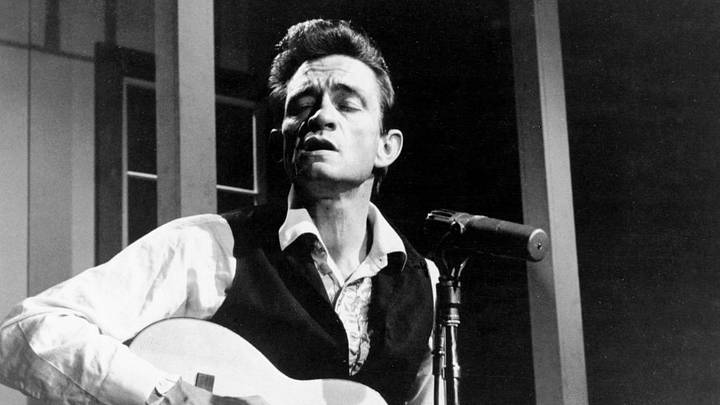
Most people probably don’t know it, but Shel Silverstein—yes, the one who wrote The Giving Tree—wrote “A Boy Named Sue,” the tale of a man hunting down the father who gave him a girl’s name. Johnny Cash recorded a version live at San Quentin, and it became his biggest pop hit, sitting at No. 2 for three weeks in August and September 1969 and spending all of them behind the Rolling Stones’ “Honky Tonk Women.” Silverstein’s songbook also included “The Cover of ‘Rolling Stone,’” a Top 10 hit for Dr. Hook and the Medicine Show.
The Allman Brothers Band
Dickey Betts wrote “Ramblin’ Man” at 3 a.m. at the kitchen table in bassist Berry Oakley’s house, and it was the last song Oakley ever recorded. It became the band’s biggest hit, reaching No. 2 on the chart dated Oct. 13, 1973, with Cher’s “Half-Breed” in the way. A week later, the Rolling Stones’ “Angie” took over No. 1, and “Ramblin’ Man” slid to No. 3.
Journey
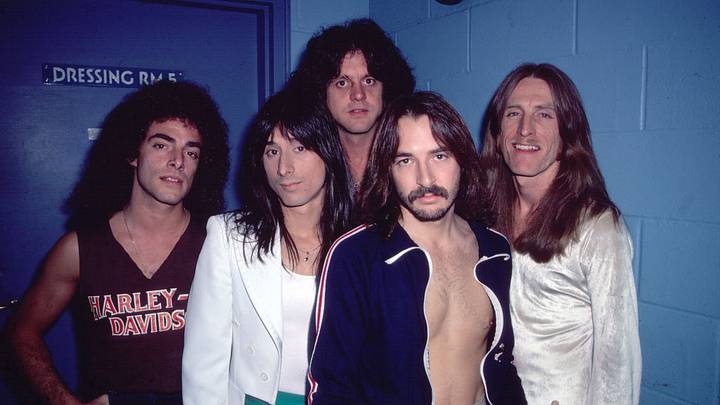
“Open Arms” reached No. 2 on the chart dated Feb. 27, 1982, and stayed there for six weeks. For the first three, it sat behind the J. Geils Band’s “Centerfold,” and when that finally slipped, Joan Jett & the Blackhearts’ “I Love Rock ’n’ Roll” jumped right over it and held No. 1 for the next three. “Don’t Stop Believin’” had already peaked, at No. 9, in December 1981.
Bruce Springsteen
“Dancing in the Dark” spent four weeks at No. 2 in the summer of 1984, the highest the Boss has ever reached as an artist. Duran Duran’s “The Reflex” held No. 1 the first week, and Prince’s “When Doves Cry” held it for the other three. However, Springsteen did write a No. 1: Manfred Mann’s Earth Band took his “Blinded by the Light” to the top in February 1977, and the Pointer Sisters got his “Fire” to No. 2.
James Brown
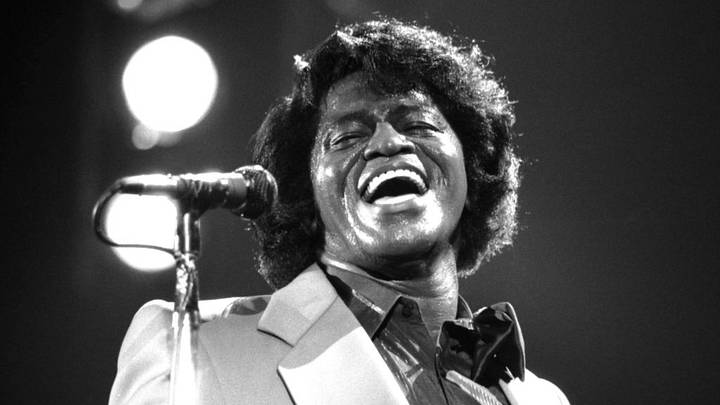
The Godfather of Soul put 91 songs on the Hot 100, starting with “Try Me” in the late 1950s, and none of them made it to No. 1. He came closest with “I Got You (I Feel Good),” which peaked at No. 3 on the chart dated Dec. 18, 1965, and “Living in America,” which reached No. 4 in 1986. The R&B chart treated him better: he topped it 17 times.
Tom Petty
Petty’s highest-charting single isn’t entirely his: “Stop Draggin’ My Heart Around,” credited to Stevie Nicks with Tom Petty and the Heartbreakers, reached No. 3 in September 1981. Under his own name, he never did better than “Free Fallin’,” which hit No. 7 in January 1990, and that was a solo single, not a Heartbreakers one. The band’s own high-water mark was “Don’t Do Me Like That,” No. 10 in 1980.
Led Zeppelin
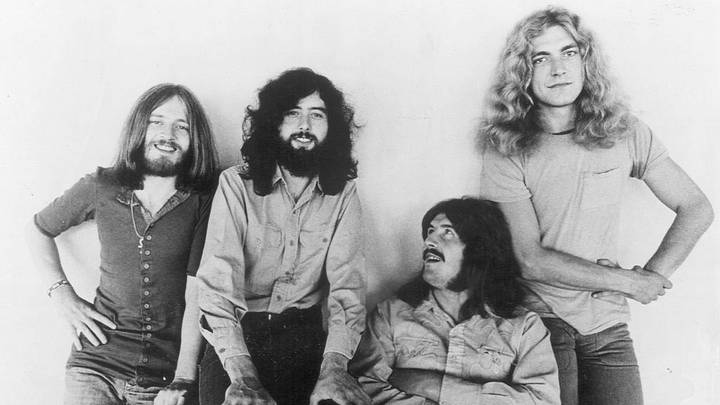
The band refused to release “Whole Lotta Love” as a single in the U.K. In the U.S., Atlantic Records talked them into a three-minute edit, and it reached No. 4 on the chart dated Jan. 31, 1970, still their highest Hot 100 peak. “Stairway to Heaven” only ever went out as a promotional single, and Robert Plant explained in 2005 that “there’s no point putting out a single when the album is the statement of the band.”
R.E.M.
“Losing My Religion” was built around acoustic guitar and mandolin, not exactly the sound of pop radio in 1991, and Michael Stipe called it a “freak hit.” It reached No. 4 on the chart dated June 22, 1991, the band’s highest Hot 100 peak, and it isn’t really about religion: Stipe said he “wanted to write a classic obsession song.” “Shiny Happy People,” from the same album, stopped at No. 10.
The Kinks
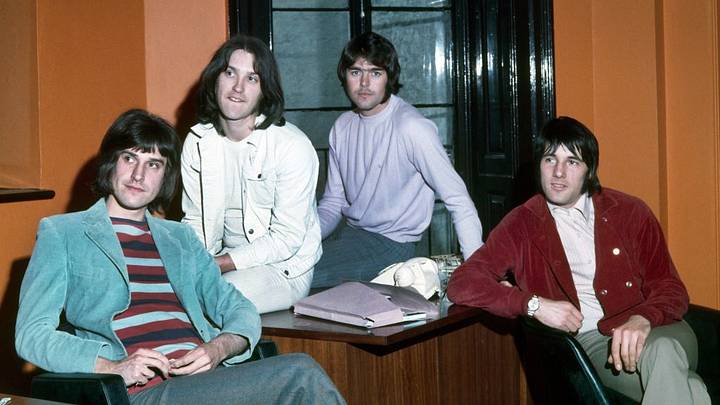
The Kinks peaked at No. 6 twice, 18 years apart: “Tired of Waiting for You” in April 1965 and “Come Dancing” in July 1983. Their best-known songs fell short of even that, with “You Really Got Me” and “All Day and All of the Night” both stopping at No. 7 and “Lola” reaching No. 9 in 1970.
Nirvana
“Smells Like Teen Spirit” peaked at No. 6 on the Hot 100 dated Jan. 11, 1992, the same week Nevermind knocked Michael Jackson’s Dangerous out of No. 1 on the Billboard 200. A week later, Garth Brooks’ Ropin’ the Wind topped the album chart. Nirvana never got that close on the singles chart again: “Come As You Are” stopped at No. 32.
Joni Mitchell
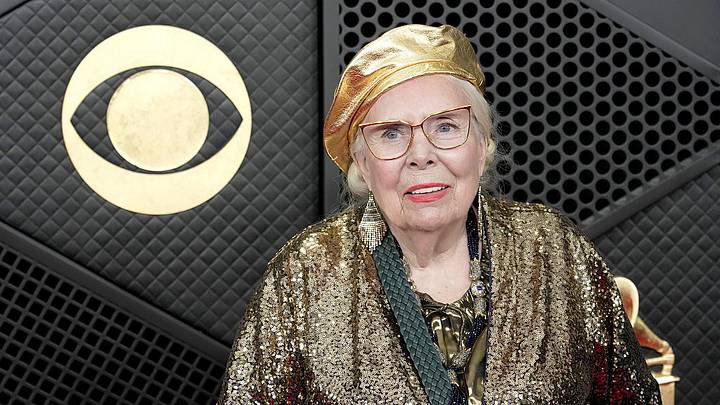
“Help Me” reached No. 7 in June 1974, Mitchell’s only Top 10 single, and the next best, “Free Man in Paris,” stopped at No. 22 later that year. Both came from Court and Spark, which had a near miss of its own: the album spent four weeks at No. 2 on the Billboard 200 in March 1974, and for the first two of them, the record in front of it was Bob Dylan’s Planet Waves.
Lynyrd Skynyrd
“Sweet Home Alabama” calls out Neil Young by name, answering his songs “Southern Man” and “Alabama,” and it peaked at No. 8 in October 1974. Their target had already been to No. 1 with “Heart of Gold” in 1972. “We wrote ‘Sweet Home Alabama’ as a joke,” Ronnie Van Zant said later, and Young played it himself at a show in Miami weeks after the 1977 plane crash that killed Van Zant.
The Who
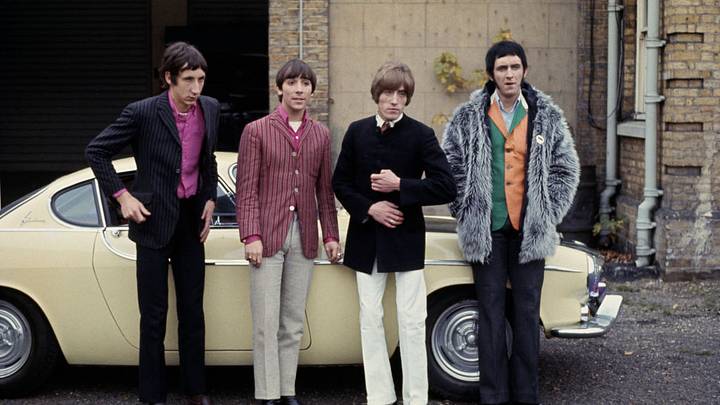
“I Can See for Miles” reached No. 9 in November 1967, and it’s still the Who’s only Top 10 hit in the U.S. The songs people know best did worse: “Won’t Get Fooled Again” stopped at No. 15, “Pinball Wizard” at No. 19, and “My Generation” peaked at No. 74 in 1966.
Van Morrison
“Brown Eyed Girl,” originally titled “Brown Skinned Girl,” peaked at No. 10 in September 1967, and Morrison has never been fond of it: he once said he doesn’t consider it one of his 300 best songs. His actual highest-charting single is “Domino,” which beat it by one spot, reaching No. 9 on the chart dated Jan. 2, 1971.
Grateful Dead
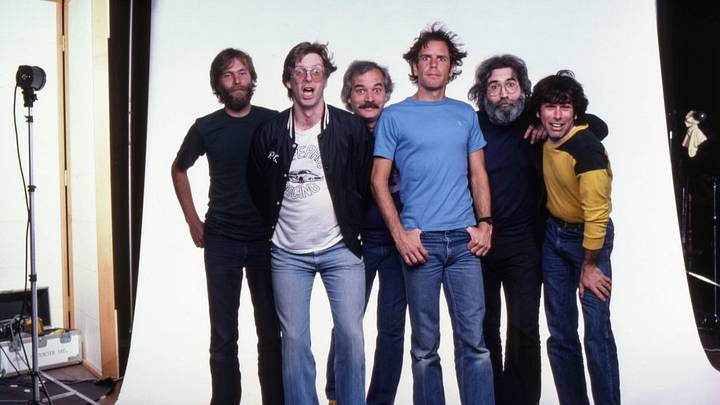
By 1987, the Dead were more than 20 years into a career built on live shows, and their best Hot 100 showing was still “Truckin’,” which hit No. 64 in 1971. Then “Touch of Grey” reached No. 9 on the chart dated Sept. 26, 1987, and pushed In the Dark to No. 6 on the Billboard 200. It remains their only Top 10 single.
Jimi Hendrix
Hendrix’s only Top 40 hit was a Bob Dylan song. Dylan released “All Along the Watchtower” on John Wesley Harding in 1967, Hendrix recorded his version at Olympic Studios in London in January 1968, and it peaked at No. 20 that October. “Purple Haze” had stopped at No. 65 the year before, and “Crosstown Traffic” got to No. 52.
AC/DC
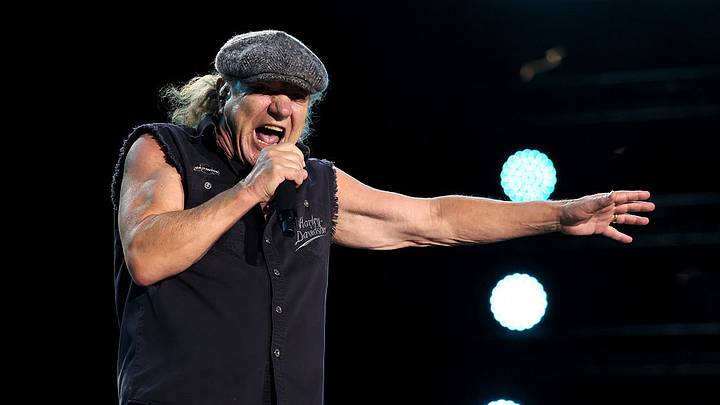
The band behind Back in Black never had a Top 20 hit in the U.S. The album’s title track peaked at No. 37 in early 1981 and “You Shook Me All Night Long” at No. 35, and the band’s best showing came a decade later, when “Moneytalks” reached No. 23 on the chart dated Feb. 9, 1991. The album itself never made it to No. 1 on the Billboard 200, either.
Bob Marley
Marley put exactly one song on the Hot 100: “Roots, Rock, Reggae,” with the Wailers, which peaked at No. 51 in 1976. He does have a No. 1 to his name, as a writer: Eric Clapton’s cover of his “I Shot the Sheriff” topped the chart in September 1974, two years before Marley’s own single charted. He died in 1981, at 36.
Read More:
•
6 Classic Rock Hits That Almost Went to Different Artists
•
Tom Petty Had a Clear Favorite Among His Own Albums
•
The Most Popular Band the Year You Were Born
•
Quiz: How Quick Can You Pick the First Word in Each ’90s Song Title?
What Dating Was Like 100 Years Ago
Decades before dating apps and DMs, romance followed courtship rules, and some dates required a chaperone … until the 1920s.
ByLogan DeLoye|Oct 29, 2026, 12:00 PM EDT
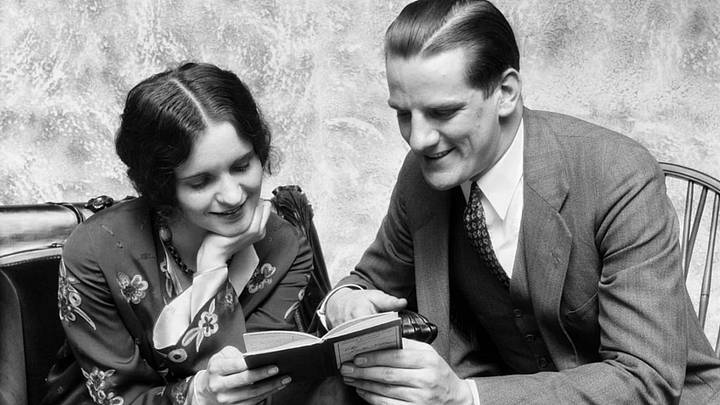
You’re transported back to 1926, and it’s the bee’s knees, but you want someone to share it with.
Feeling lonely, you reach into your sweatpants pocket for your phone to swipe through Hinge; only apps don’t exist yet, cell phones won’t be invented for decades, and you’re probably wearing nice trousers, or a long skirt or dress instead.
So, how are you meant to find a date?
Long before people downloaded dating apps and sent DMs, romance relied on courtship and chaperones to uphold reputation and virtue, at least, until the 1920s.
COURTSHIP BEFORE WORLD WAR I
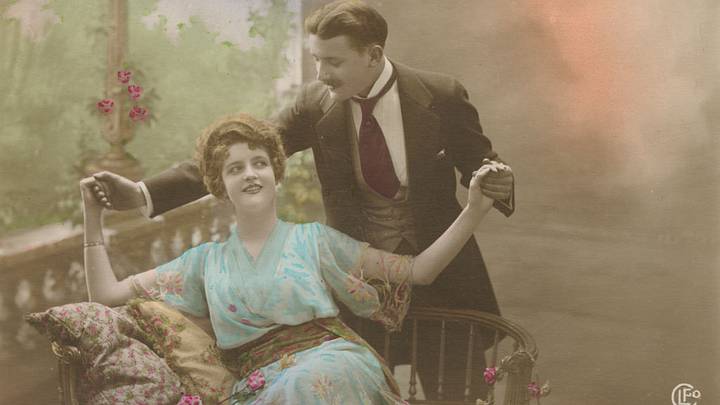
Before World War I ended, dating as we know it today was nonexistent. Parents guided their children toward a possible match, and the courtship process was very strict. A suitor, approved by the woman’s parents, would leave a “calling card” at her doorstep to let her and her family know he intended to court her (spend time getting to know her).
If the parents were pleased with his efforts, they would invite him into their home for a “supervised” visit with their daughter. The actual “date” might’ve consisted of the woman entertaining the man with piano playing or a dance. The suitor would then “call” regularly, bring gifts to his intended match and her family, and eventually, the pair would go on public outings together… chaperoned, of course. This continued until the suitor asked the woman’s father for permission to propose and the family deemed him financially capable of taking care of her.
This was the typical process that led to marriage throughout the 1800s and into the early 1900s.
DATING IN THE 1920s
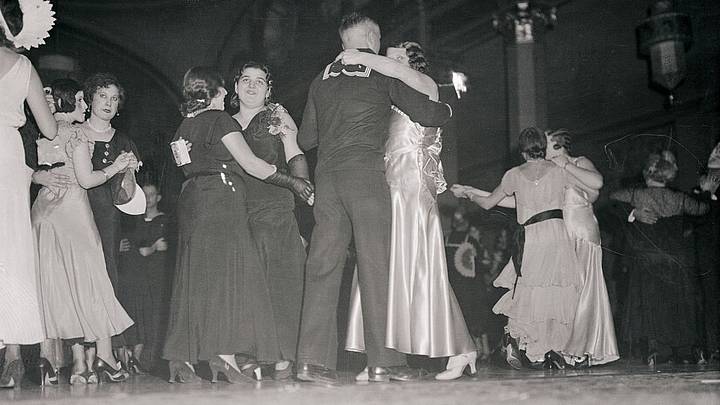
The war ended in 1918; women secured the right to vote in 1919, joined the workforce in droves, and everyone began putting on the Ritz as the Roaring ‘20s rolled in.
Possible suitors rang their dates on the telephone, and new, close-bodied automobiles kept young daters more concealed; a feature that concerned the older generation. Finding a partner became less of a marital strategy and more of a casual ordeal.
Movies and dance halls grew in popularity, providing the perfect setting for an informal date. According to The Mob Museum, upper- and middle-class citizens socialized on the train, with the Pullman Company offering “dining, lounge and ballroom cars with live bands.”
Sometimes, a date was simply driving around in the car and maybe stopping by the local ice cream parlor for a delicious cherry phosphate. As car ownership among young people accelerated, the need for a chaperone lessened, diminishing the courtship process.
Cities boomed as more people left rural communities for the excitement of urban oases, where meeting new people was more common.
While traditional expectations and standards still held true in rural areas, city dwellers thought unconventional dating was the cat’s pajamas in the 1920s. The 18th Amendment, which banned the sale and transportation of liquor, created speakeasies, secret bars that became popular spots for drinks, dancing, and jazz music, especially in metropolitan areas.
Urbanization, entertainment, updated transportation, and changing laws and lifestyles all contributed to the disappearance of traditional courtship and the rise of casual dating 100 years ago. This concept is still alive and well in 2026; only there are fewer chance encounters at dance halls and soda shops, and more online dating profiles and split-the-bill dinners.
Read More:
•
10 Roaring Twenties Phrases You Use Every Day
•
12 World-Shaping Events That Happened in 1920
•
11 Things Women Couldn’t Do In The 1920s
7 Best U.S. Waterparks to Visit in 2026, Ranked
Beat the heat this summer by entering the ultimate American splash zones!
Jul 1, 2026, 6:00 PM EDT

A summer oasis of epic proportions is the only cure for sweltering days when temperatures soar into the 90s. A colorful slide, a few lounge chairs, and a swimming pool are simply not enough to satisfy your summer bucket list requirements. If you’re already planning to pack the car, pay for passes, gather sunscreen, swimsuits, dry clothes, and other essentials for a day of adventure, why not seek out the best of the best?
Think long slides that shoot you out at record speeds, huge funnels that spin you around dizzily, obstacle courses with nets and slick bars that challenge you to stay dry before plunging into the water below, a massive wave pool that has you bobbing up and down like a buoy, and maybe even a roller coaster you exit absolutely drenched, but smiling from ear to ear. These are the features of a waterpark worthy of your summer vacation days in 2026.
But where can you find these wonderful watering holes?
According to traveler ratings on Trip Advisor, these are the best U.S. water parks to visit in 2026.
THE RATINGS
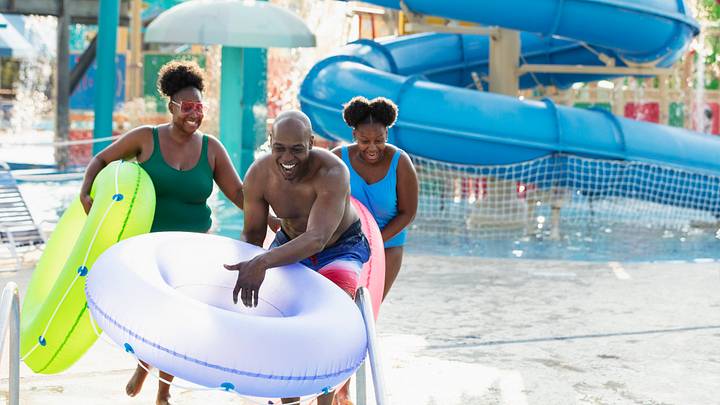
The best waterparks go way beyond slides and pools; they are entire experiences enclosed in one big space. Some are beloved by travelers and tourists for their thrilling rides, fun themes, and animal interactions. Others are praised for their short wait times and well-maintained facilities. Some have great prices and live music to pair with a day in the sun, and others feel safe and offer brief moments of respite with delicious food and drink. Pair these factors with a few tube races and giant fountains, and you cannot go wrong.
Some of these destinations also double as theme parks, offering you, your family, and your friends the chance to hop on and strap in to a few coasters while you’re at it. Not only are these waterparks among the best in the country, but they’re also top-rated attractions in their regions.
THE WATER PARKS
At the top of the list is Orlando’s Discovery Cove, a destination that’s anything but an ordinary water park. Here, guests can snorkel with tropical fish, pet stingrays, float along a lazy river, and even take photos with dolphins. While the price might seem steep, visitors consistently praise the food options and the one-of-a-kind experiences.
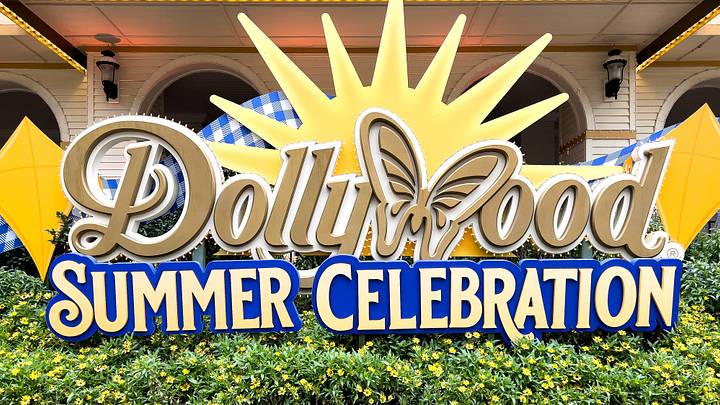
Coming in second is Dollywood in Pigeon Forge, Tennessee. This park truly has it all: exhilarating rides, classic country cooking, and a lineup of shows, festivals, and fireworks displays that keep guests coming back year after year. Beyond entertainment and rides, visitors love the variety of shops and Smoky Mountain experiences, like the forge where you can craft your own knife.
Traveling from Florida to Tennessee to Branson, Missouri, you’ll find Silver Dollar City, a regional favorite for more than 60 years. This park boasts rides you’ll want to write home about, vibrant festivals, unique shops, and plenty of restaurants. Guests rave about its safety, live music, and the variety of attractions for all ages.
Rounding out the top waterparks in the U.S. for 2026 are Cedar Point in Sandusky, Ohio, Holiday World & Splashin’ Safari in Santa Claus, Indiana, Busch Gardens in Williamsburg, Virginia, and LEGOLAND Florida Resort in Winter Haven!
The 2027 Mental Floss Amazing Facts Calendar is now on sale! Order yours today.
More Summer Fun:
•
15 Forgotten Summertime Activities We Need To Bring Back
•
15 Best U.S. Lakes, Ranked for the Ultimate Summer Getaway
•