
ByMatthew Jackson|Jan 17, 2023, 10:01 PM EST
 Add us as a preferred source
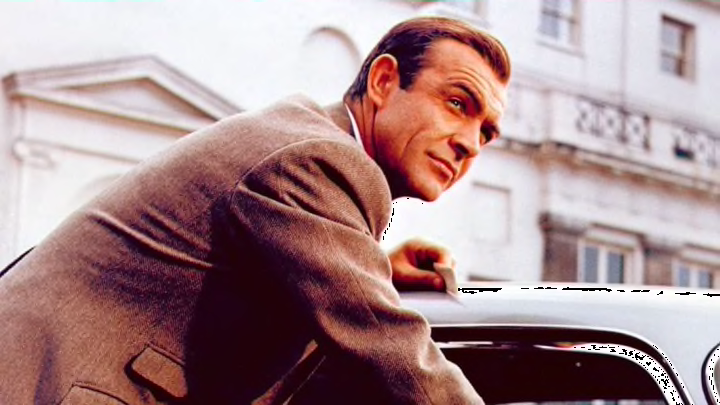
In 1964, Ian Fleming‘s gentleman spy creation James Bond was officially a successful film star. Having made the leap from page to screen in the form of Sean Connery, Bond had already led two successful action films, but the best was yet to come. Determined to make Bond the biggest thing in the world, producers Harry Saltzman and Albert R. “Cubby” Broccoli mounted their most ambitious Bond production yet, including everything from a gold-painted actress to a catchy theme song to one very cool car. The result is the spy movie by which all other spy movies are measured. Here are 18 facts about the making of Goldfinger.
1. Goldfinger was inspired by a chance encounter.
Goldfinger, which was published in 1959, was the seventh title in author Ian Fleming’s series of novels about gentleman-spy James Bond, and its premise sprang from a chance encounter three years earlier. In 1956, Fleming was staying at Enton Hall, an English health spa, when he happened to strike up a conversation with a broker who specialized in gold. As he picked the man’s brain about the gold trade for a while, the seed that would grow into Goldfinger was planted.
2. There are key differences between the book version of Goldfinger and the movie.
As with many of the Bond films, the plot of Goldfinger the movie differs in certain key ways from Goldfinger the novel, particularly in terms of the ambitions of its villain. In both versions, Auric Goldfinger wants to control the world’s supply of gold, but in Fleming’s original novel he’s much more of a hoarder than he is a shrewd dealer. Both versions required a Fort Knox heist, but the novel suggested that Goldfinger would actually steal all the gold from the United Stated repository, which presented a logistical challenge for screenwriters Richard Maibaum and Paul Dehn.
“Fleming never bothered his head about how long it would take to transport the gold from Fort Knox, or how many men and vehicles it would require,” Maibaum recalled.
To get around this while still keeping the Fort Knox setpiece, the screenwriters devised a scheme in which Goldfinger would set off a dirty bomb at Fort Knox, irradiating the gold and making it useless, therefore making his personal stockpile much more valuable.
3. Goldfinger was the first James Bond film to switch directors.
Like the group of actors who’ve played Bond, the group of filmmakers who’ve helmed a Bond film is still a rather exclusive club. In 1964, as producers prepared to make Goldfinger, it was still a club of one. Terence Young, who’d directed both Dr. No and From Russia With Love, was assumedly also going to return for the third Bond film, and even contributed some work to pre-production. Ultimately, however, he decided to step away from the grind of the budding action franchise and its schedule of one film per year at the time.
To replace him, producers selected Guy Hamilton, an original contender to make Dr. No. It would be a momentous decision that helped set the template for every future Bond movie.
4. Goldfinger established many James Bond firsts.

When he came on board as director, Guy Hamilton saw an opportunity to infuse a greater sense of lightness and even fantasy into the Bond franchise. Fearing that his lead character was “in danger of becoming Superman,” Hamilton decided to redirect narrative tension from “Will Bond live or die?” to a deeper focus on the character conflict between 007 and his villains.
“There was now no suspense, because if somebody pulls a gun on him, you know that he’s going to kick it away before the scene’s over,” Hamilton said. “Bond is as good as his villains. Let’s spend more time worrying about the villains and make that important.”
As part of his new focus on a more fanciful Bond, Hamilton established many firsts in the franchise even beyond the idea of villain monologues and unforgettable henchmen. Goldfinger is the first Bond film to have a full-on cold open in which the character goes on an unrelated mission to set the tone; the first Bond film to have an opening theme performed by an iconic vocalist; and the first Bond film to play up the relationship between 007 and his put-upon gadget master, Q.
5. Sean Connery was uneasy about Goldfinger.
Though James Bond fandom had not yet reached the heights of full-on mania that it would achieve with the release of Goldfinger and Thunderball, star Sean Connery was already beginning to feel the burden of the franchise. Bond had made him a massive star, but his commitment to the series, and its producers’ insistence on churning out one film per year, meant that he was both exhausted and forced to turn down other work. In between From Russia With Love and Goldfinger, Connery made Woman of Straw and Alfred Hitchcock’s Marnie, but had to decline a role in a John Ford film along the way. For an actor trying to prove he was more than 007, it was a lot to carry.
Connery’s unease was only worsened by his reaction to Goldfinger’s script, which he felt was too humorous and, in some places, unbelievable. His concern was shared by Hamilton, who dubbed the script “too American” after reading the original draft by Richard Maibaum. Screenwriter Paul Dehn was brought in to help Maibaum revise the script, but the deeper humor of Bond was something that stuck.
6. Goldfinger established James Bond and Q’s dynamic.
Though Desmond Llewelyn made an appearance in From Russia With Love, he didn’t really come into his own as the beloved Bond figure known as “Q” until Goldfinger, when Bond visits his laboratory to receive a load of new equipment. It turned out to be a pivotal scene not just for the film, but for the entire Bond franchise, thanks to a key piece of direction from Hamilton to Llewelyn. Originally, the actor planned to stand when Bond entered the room as a gesture of respect, but Hamilton shot the idea down and told Llewelyn to play up Q’s dislike for the brash secret agent.
“I looked at him and said ‘You hate the bugger,'” Hamilton recalled. “He says, ‘Why do I hate him?’ ‘Think about it. He comes down here, pays no attention to what you say, takes your props away, uses them in completely different ways than you intended, never returns them. I mean, the man’s a menace as far as you’re concerned, and the sooner 009 turns up, the happier you’ll be.'”
So, Llewelyn was grumpy with Bond, and an iconic odd couple was born.
7. Goldfinger didn’t speak English.
Though Victor Buono and Theodore Bikel were both considered for the title role of Auric Goldfinger, Cubby Broccoli’s preferred choice was German actor Gert Fröbe, who’d he’d seen play a child murderer in a film called It Happened in Broad Daylight. Hamilton agreed to the casting, but was dismayed to find that, apart from a few pleasantries, Fröbe didn’t speak English. So, rather than recast the villain, the decision was made to dub him with actor Michael Collins.
“He had a dialogue coach and he studied his scenes very hard. I made a point of not making them too long and had lots of cuts in them,” Hamilton recalled. “He learned his dialogue phonetically. The only thing I had to do was get him to speed up, because he was enunciating everything very slowly. The main thing is that the mouth is moving at the right tempo. Michael Collins did a tremendous job of imitating Gert.”
8. Honor Blackman and Harold Sakata were the first choices for their roles in Goldfinger.

For the role of Pussy Galore, Goldfinger’s sexy and high-flying partner in crime, Hamilton looked no further than Honor Blackman, who was then ready to leave her starring role on the hit TV spy series The Avengers and already had a built-in knowledge of Judo (which Pussy schools Bond in at one point) from her time on the show.
“There was hardly anybody else about that was as right for it as me,” Blackman later recalled.
For Oddjob, Goldfinger’s mute, brutally strong, hat-throwing enforcer, it turned out all Hamilton had to do was turn on his television, where he saw former Olympic weightlifter working as a heel on a pro wrestling show.
“Harold Sakata came on, and everybody booed, and there was Oddjob,” Hamilton said.
9. Tricking out the car in Goldfinger was a challenge.
Goldfinger is remembered for a lot of additions to the Bond canon, but the biggest might be the Aston Martin DB5, Bond’s tricked-out spy car full of gadgets and countermeasures. Though the film makes it look like the work of Q’s genius, the real-life Aston Martin was actually a product of a large team of visual effects and design experts working tirelessly to make the various effects seem seamless.
Though Aston Martin executives were skeptical that the Goldfinger team could make any modifications to their compact, already feature-loaded prototype, production designer Ken Adam and special effects supervisor John Stears still convinced them to offer up their prototype of the car. Stears then promptly began to pick it apart by cutting a hole in the roof for the famed ejector seat gag.
“I remember it now, putting the hole through this lovely Aston Martin, my pride and joy,” Stears recalled.
With the first hole made, the team began adding features to the spy car, eventually developing a hybrid of practical effects that really worked and other gags that were pulled off through movie magic. Stears and his team used air guns to create the machine gun effect on the front of the vehicle. For the oil slick effect in the back, the team installed an actual hose connected to a tank in the trunk, which had to be swapped out for shots in which the retractable bulletproof shield was used, because there wasn’t enough space for both. Even Hamilton got in on the action, coming up with the idea of the rotating license plate after he found himself plagued by too many parking tickets in London. There were even features designed that audiences never saw, including overrider rods on the front bumper for ramming other vehicles.
Sadly, though it’s one of the most memorable moments in the entire film, the car’s legendary ejector seat was not actually a working model. To achieve the effect, Stears used a dummy and compressed air, and careful editing did the rest.
10. A lot of Goldfinger’s exotic locales were faked.
Though the scenes of Bond driving through the Swiss Alps were actually shot in Switzerland (with a healthy press presence to drum up publicity), Goldfinger was made at a time when Bond films were a bit more tightly budgeted. So Hamilton and company had to make extensive use of stand-ins for various exotic locales. Early in production, a small unit was sent to Miami for the scenes in which Bond first encounters Goldfinger and Jill Masterson, but Connery and Fröbe weren’t there. Instead, stand-ins were used for their shots, and the hotel sets were built at England’s Pinewood Studios. The same was true for the scenes set in Swiss forests, Goldfinger’s various lairs, and other key sets.
11. It wasn’t the real Fort Knox in Goldfinger, either.
The problem with Goldfinger‘s climax happening at one of the most secure locations in the world was that the filmmakers couldn’t actually gain access to the real Fort Knox, not even through photographs of the interior.
It fell to production designer Ken Adam and his team to create the production’s own Fort Knox on the Pinewood backlot, but Broccoli rejected draftsman Peter Lamont’s original blueprints, which made the place look a bit more like a bank. Broccoli instead demanded “a cathedral of gold,” so the team went back to the drawing board and conceived the set in the film, full of stacks of gold bars protected by steel grates. Adam considered the design “completely impractical” because the weight of the gold would have collapsed the multi-story structure in real life, but Broccoli was pleased with the look.
Ironically, the producers later got letters from American viewers angry that “a British film unit and director were allowed inside Fort Knox,” a place even the President of the United States can’t visit. However impractical, the illusion worked.
For wide exteriors, Hamilton and a small crew used a nearby military base to simply zoom in on Fort Knox from afar, and used a single group of American soldiers over and over again to fall down at various locations to create the sequence in which Pussy Galore’s pilots drop nerve gas on the fort. For the price of $10 and a beer, the soldiers were all too happy to participate.
12. Goldfinger’s famous laser beam scene caused a headache for the visual effects team.
It was producer Saltzman’s idea to incorporate a laser beam into Goldfinger’s schemes, and screenwriter Richard Maibaum’s idea to use the technology to torture Bond himself, in what is now one of the most famous scenes in the whole franchise. The team even managed to get their hands on an actual industrial laser for the scene, but according to optical effects designer Cliff Culley, by the time the set was fully lit, the cameras couldn’t pick up the beam.
By then, of course, the effects team couldn’t just nix the effect, so they had to construct a workaround. The sheet of metal Bond was lying on was pre-cut, then solder was used to fill in the hole, which was painted over to blend with the surrounding table. To actually make the scene work, two effects technicians had to be under the table, one holding a light and the other using a cutting torch to produce the effect of a laser slicing through the table. It all looks very convincing once the laser beam is optically painted in, and it was all too real for Connery as it happened.
“You look at Sean and you’re talking about sweat,” Hamilton recalled. “That was real sweat, because he’s thinking ‘When is that son of a bitch going to say, cut?’ Because he knows that the two technicians underneath, one with a torch to show the other guy with the blowtorch which way to go, they don’t know where Sean’s crotch is, they’re just going along.”
13. Goldfinger’s most famous shot inspired an urban legend.
Of all the fantastic visuals throughout Goldfinger, the most memorable is probably still the one that was used as a key piece of marketing for the film: A nude woman covered entirely in gold paint. The woman was actress Shirley Eaton as Jill Masterson, Goldfinger’s kept woman who was killed after she dared run off with Bond. To make a point, Goldfinger’s henchman killed Jill through “skin suffocation” by covering her completely in paint and leaving her on Bond’s hotel bed.
To achieve the effect, Eaton really was covered completely in gold paint, and the production kept a doctor on set just in case “skin suffocation” really did pose a danger. The illusion was so effective and so striking that it eventually spawned an urban legend that Eaton really was killed by the gold paint. In reality, Eaton continued to make films throughout the 1960s, and is still alive today. Now in her ’80s, she’s written several books about her career, including one she called Golden Girl.
14. Goldfinger’s “Pussy Galore” created some problems with censors.
Even by the standards of Bond films, which have a history of suggestive names for female characters, the name “Pussy Galore” is particularly on-the-nose, and it created more than one issue with various censors during production. According to screenwriter Richard Maibaum, the character’s introduction was originally written as follows:
Bond: Who are you? Pussy Galore: Pussy Galore Bond: I know, but what’s your name?
British censors looking over the script objected to the exchange, which was replaced with the more straightforward “My name is Pussy Galore.” Maibaum recalled that he thought the film only got away with the name at all in the end because it was the character’s name in the original novel.
The film ran into trouble again with the American censors, who threatened to ban the film unless the name was changed. Broccoli got around this by showing the censors a British newspaper headline over a photo of star Honor Blackman and Prince Phillip. The headline read “The Prince and the Pussy,” and its prominent placement in a British news outlet was enough to convince the censors that the name was decent enough to stay in the film.
15. Goldfinger had to be rushed through post-production.
Saltzman and Broccoli had locked in Goldfinger for a September 1964 release date even before production commenced, and the producers weren’t keen on shifting their schedule. That meant Hamilton and the entire production team had to work fast to finish the film on time. Editor Peter Hunt later recalled conducting his own second-unit shooting in order to make the film’s final cut work to his satisfaction, and composer John Barry was scoring scenes straight out of the cutting room to get the music done on time.
At one point, Barry was working so fast that he warned Hamilton he might have to perform the entire score live with an orchestra at the film’s premiere, because they wouldn’t have time to record it for the film. Hamilton later recalled he and Hunt “burst[ing] into tears” at a screening for Saltzman and Broccoli, who proclaimed the film done even as the director and the editor were spotting new things they wanted to cut.
“If only I had had another week,” the director said.
16. The Goldfinger theme song was inspired by “Mack the Knife.”
Goldfinger set another Bond standard as the first film in the franchise to feature a title sequence headlined by an original song recorded by a popular artist. To give composer John Barry an idea of the kind of song he wanted, Hamilton played Barry the popular song “Mack the Knife,” specifically the German version sung by Lotte Lenya. With this prompt in his mind, Barry turned to lyricist Anthony Newley, who didn’t understand the “Mack the Knife” inspiration, but forged ahead anyway. With the song in hand, Barry turned to vocalist Shirley Bassey, who “didn’t know what the hell the song was about but she sang it with such conviction that she convinced the rest of the world,” as Barry recalled.
After a little tweaking, including the addition of its famous saxophone, to go along with the film’s title sequence, Barry presented the song to producers. Saltzman reportedly hated the Goldfinger theme so much that he told his composer “The only reason this song is staying in the movie is because we don’t have time to redo it.”
Today, “Goldfinger” is regarded as one of the great Bond themes, and one of the best original songs in cinema history.
17. Ian Fleming didn’t live to see Goldfinger.
Ian Fleming visited the Goldfinger set in the spring of 1964, as the crew was shooting Connery’s part of the Miami hotel pool sequence at Pinewood Studios. Sadly, though he’d been around for the first two Bond films, the author would not live to see the explosion that was Goldfinger‘s success. He died just a few months later, on August 13, 1964, at the age of 56. Goldfinger premiered in UK cinemas a little more than a month after Fleming’s death.
18. Goldfinger created Bondmania.
Though both Dr. No and From Russia With Love were successful films, Saltzman and Broccoli had been dissatisfied with the international response to Bond at that point, particularly in America. With Goldfinger, they were determined to break through across the pond, and they got their wish.
After racking up box office returns so fast that it set a Guinness World Record for fastest-earning film in the UK, Goldfinger stormed into American cinemas. In New York City, some theaters played the film constantly for 24 hours, and it eventually earned more than $50 million in North America alone.
But the response was more than tickets purchased. In the UK, thousands of people tried to pack into the film’s London premiere to the point that the crowds pushed through plate glass. In Paris, Connery was surprised by a female fan leaping into the Aston Martin he was driving as part of the opening of the French premiere. James Bond was officially a pop culture force, and there was no going back.
Additional Sources:
Nobody Does It Better: The Complete Uncensored, Unauthorized Oral History of James Bond by Mark A. Altman and Edward Gross (2020)
Some Kind of Hero: The Remarkable Story of the James Bond Films by Matthew Field and Ajay Chowdhury (2015)
A version of this story ran in 2021; it has been updated for 2023.
Related Tags
20 Biggest Pop Stars of the 1990s: Where Are They Now?
Some launched billion-dollar fashion empires, others went independent, and a few are still touring the hits.
ByPaul Anthony Jones|Nov 16, 2026, 4:00 PM EST
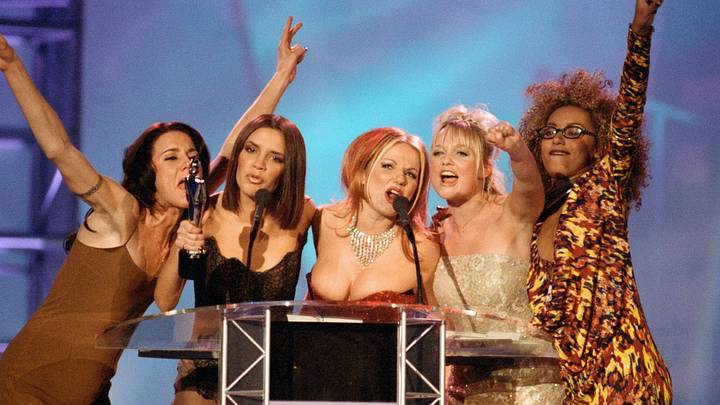
The 1990s were very much the era of the pop megastar, with the likes of Madonna, Michael Jackson and Whitney Houston continuing to dominate the charts after breaking through in the 1980s, alongside the debut hits of superstars in the making such as Mariah Carey, Britney Spears and Christina Aguilera. Elsewhere in the pop world, though, scores of other hugely popular bands and artists found success in the 1990s—many of whom have since either gone on to bigger and better things, or stepped away from the limelight.
98 Degrees
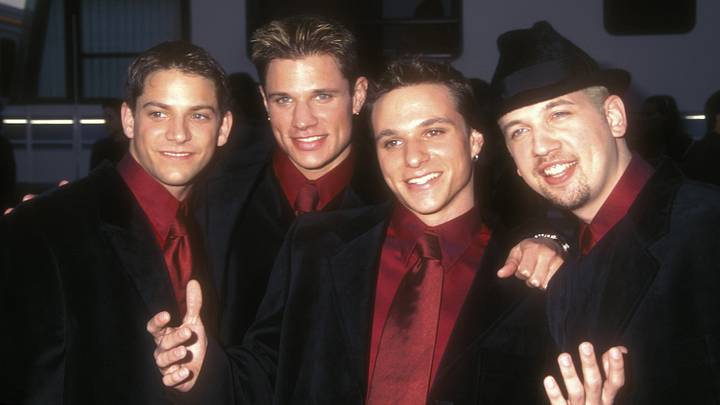
Boy band 98 Degrees burst onto the pop scene with their debut single “Invisible Man” in 1997, before scoring a string of top 10 hits (and a Grammy Award nomination) in the late ’90s and early 2000s. The band took a decade-long hiatus in 2003, but all four members have since reunited and have continued to tour and release new music today. They released their seventh album, Full Circle, in 2025.
Ace of Base
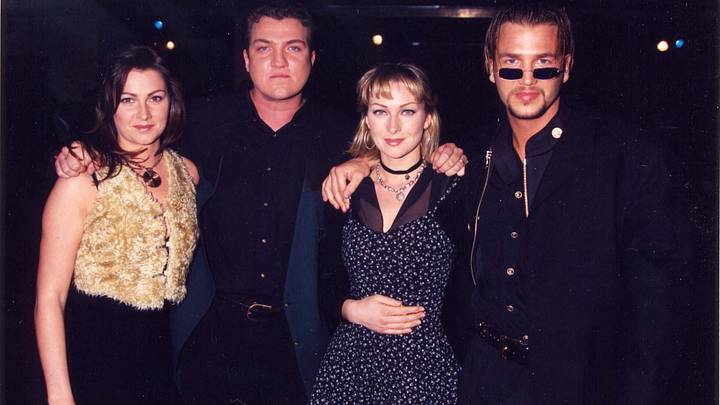
Swedish pop group Ace of Base scored a worldwide hit with only their second single, “All That She Wants,” back in 1992, following it up with a number of top 10 hits in the U.S., including chart-toppers “The Sign,” “Don’t Turn Around,” and “Cruel Summer.” To date, the band—now Sweden’s third best-selling pop group of all time, after ABBA and another group on this list—has since released five albums, but has not recorded any new music since 2010 and, according to founder member Jonas Berggman, has no plans to do so in the future.
Alisha’s Attic
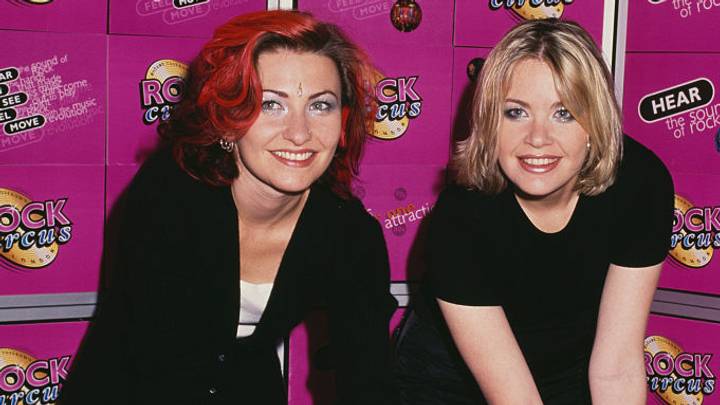
British pop duo Alisha’s Attic were sisters Shelley and Karen Poole—the daughters of legendary Tremeloes frontman Brian Poole (best known for the 1967 hit “Silence is Golden”). Known for their witty songwriting and impeccable harmonies, the sisters scored a string of hits in the late ’90s and 2000s, including the best-selling “I Am, I Feel,” taken from their critically lauded debut Alisha Rules the World. Having earned Brit and Ivor Novello Award nominations, supported Jon Bon Jovi, and joined Sarah McLachlan at the Lilith Fair, the pair disbanded not long after their third album, The House We Built, in 2001. They have both remained active in the industry, however, with Karen going on to write songs for the likes of Kylie Minogue, Zara Larsson and Rita Ora, while Shelley (who has written for Janet Jackson, Mark Ronson and Massive Attack) released a solo album, Hard Time for the Dreamer, in 2005, and now performs with folk trio Red Sky July.
All Saints
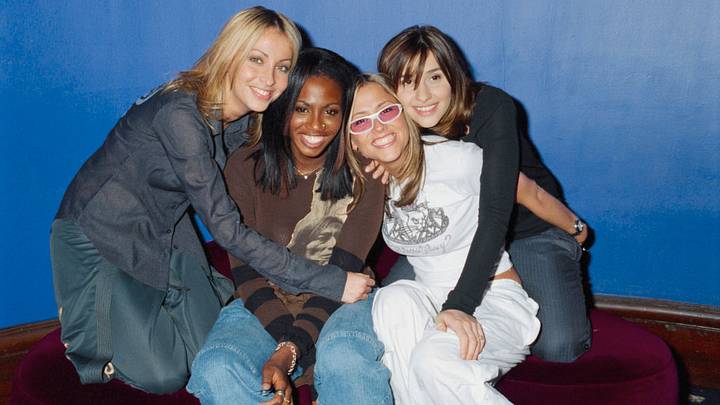
British girl group All Saints broke out with “I Know Where It’s At” in 1997, before their follow-up single “Never Ever” became a global smash hit and reached No. 4 on the Hot 100. The band broke up in the early 2000s, shortly after the release of their second album Saints & Sinners, but have since reunited and have continued to record new music periodically ever since. Their latest album, Testament, was released in 2018.
Backstreet Boys
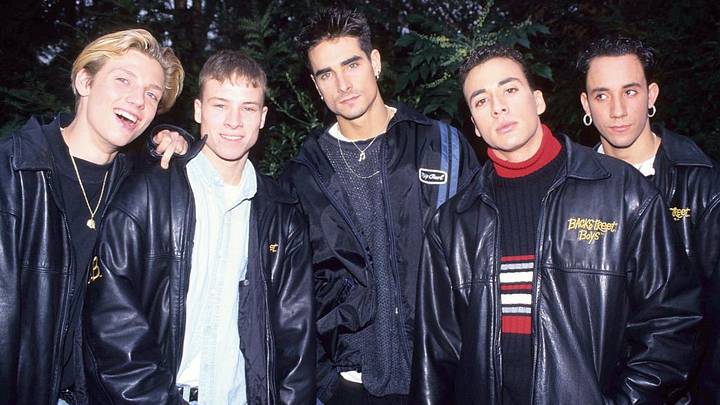
Formed in 1993, the Backstreet Boys became one of the 1990s’ biggest-selling pop groups, scoring half a dozen top 10 hits and selling more than 100 million records. The band took a brief hiatus in the early 2000s, and founding member Kevin Richardson left the group in 2006—but he has since rejoined, and the original five-piece have continued to regularly reunite, tour, and record new music ever since. They released their latest album of new material, festive collection A Very Backstreet Christmas, in 2022.
Lou Bega
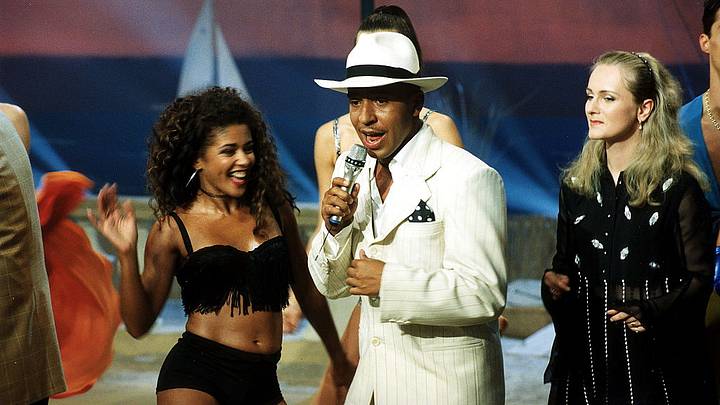
Munich-born German singer David Lubega Balemezi, better known as Lou Bega, had a multi-million-selling smash hit on his hands with his 1999 debut, “Mambo No. 5.” The track, which was nominated for a Grammy, made Bega a global star, and his tie-in album became a top 10 hit on charts all over the world. Later releases have failed to match Bega’s debut’s success; however, he has continued to release new music and perform live ever since. He released his sixth studio album 90s Cruiser in 2021, and celebrated 25 years of “Mambo No. 5” in 2024.
Michael Bolton
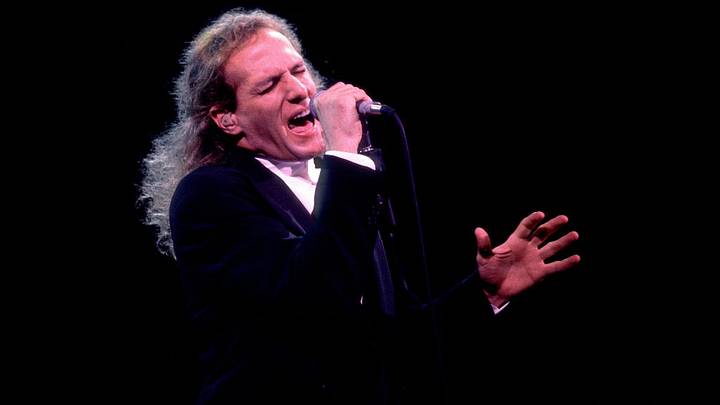
Having begun his career as a heavy metal singer in the mid-1970s, Michael Bolton found worldwide fame in the ‘80s and ‘90s as a pop balladeer, scoring top 10 hits with the likes of “How Am I Supposed to Live Without You” and “When a Man Loves a Woman” (both of which won him the Grammy for Best Male Pop Vocal Performance). He has continued to record and release new music regularly since he released his latest album, Christmas Time, in 2023.
Céline Dion
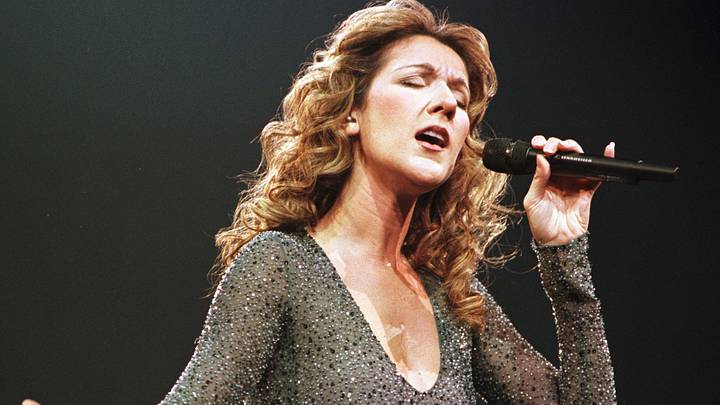
Céline Dion was already a French-speaking superstar in her native Canada when, in 1988, she came to international recognition when she represented Switzerland at the Eurovision Song Contest. A string of multi-million-selling English-language hits and albums followed, including the global smash “My Heart Will Go On” from the soundtrack to 1997’s Titanic. She maintained her success in the 2000s, becoming the decade’s highest-earning artist thanks to a record-breaking residency in Las Vegas. In more recent years, however, Dion has made public her struggle with the rare condition stiff person syndrome, painfully documented in her acclaimed 2024 documentary I Am: Celine Dion. Following a triumphant return to performing live at the Paris Olympics, however, Dion recently embarked on a new sold-out residency in France.
Hanson
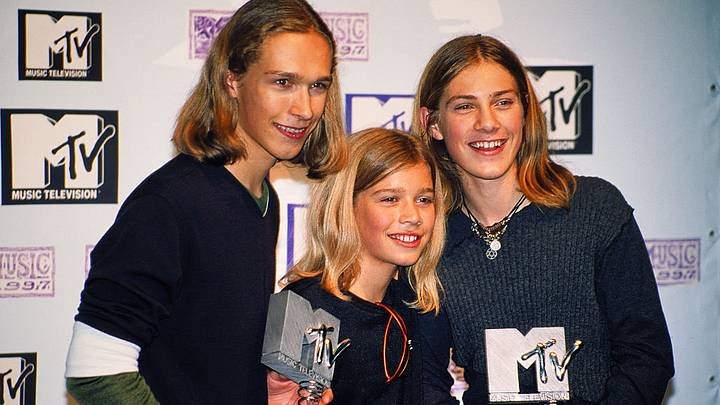
Pop trio Hanson—comprising the Tulsa-born Hanson brothers Isaac, Taylor and Zac—formed in the early 1990s, before earning a global smash hit with their debut single “MMMBop” in 1997. The song went to No. 1 in more than two dozen countries, sold 1.5 million copies in the U.S. alone, and made the band one of the most talked-about pop acts of the time. They went independent in the early 2000s and have continued to release new material ever since; after 30 years together, the band released their eleventh album, Red Green Blue, in 2022.
Los del Río
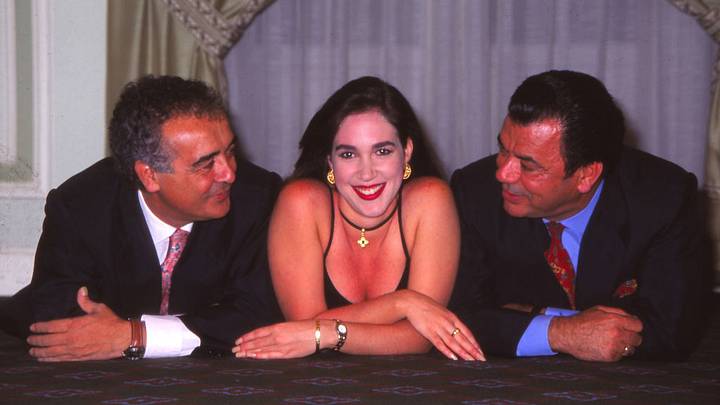
Pop duo Los del Río originally scored only a minor hit with the “Macarena” in their native Spain in 1993, before U.S. label BMG released the track to great fanfare in America and made it one of the biggest summertime hits of the 90s: The song went on to spend 14 weeks at the top of the Billboard charts three years later. The duo, who have been active since the late ‘60s, are still recording and releasing new music now in their seventh decade in the business; their latest single, “Carretero,” was released in 2026.
Annie Lennox
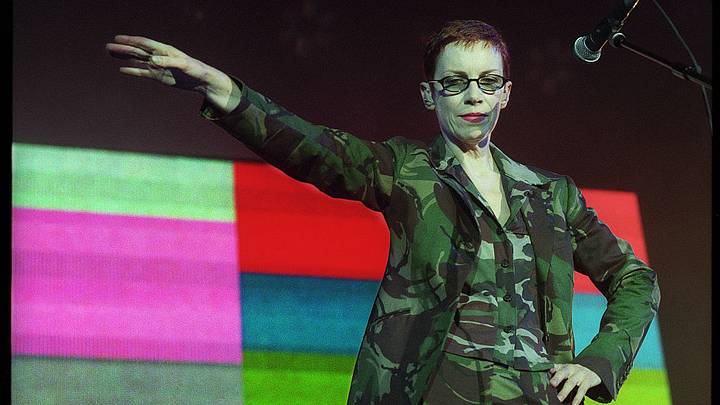
Scottish music legend Annie Lennox went from pop superstardom as part of the Eurythmics in the 1980s to solo pop superstardom in the 1990s, with hits like “Why,” “Walking on Broken Glass,” and “No More ‘I Love You’s.’” A four-time Grammy winner and record-setting eight-time Brit Award winner, Lennox has since won an Oscar (for her win on Peter Jackson’s Lord of the Rings movie The Return of the King), been made Chancellor of Glasgow University, been awarded an OBE by Elizabeth II, and worked tirelessly for charitable and humanitarian organizations all over the world. She released her sixth solo album, Nostalgia, in 2014, and played her first live gig in six years in 2025.
New Kids on the Block
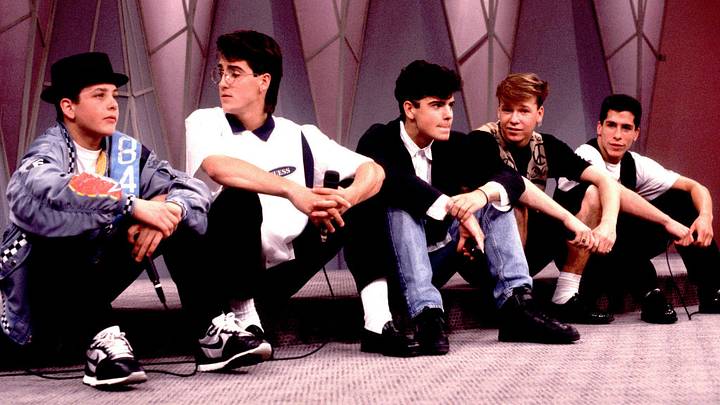
Formed in the mid-1980s, New Kids on the Block became one of the ‘90s’ biggest boy bands, selling more than 80 million records and earning a 1990 Grammy Award nomination. The group disbanded in 1994, but reunited in the mid-2000s to record new music and embark on a new series of live dates. They released their eighth album together, Still Kids, in 2024, and have continued to perform live ever since.
NSYNC
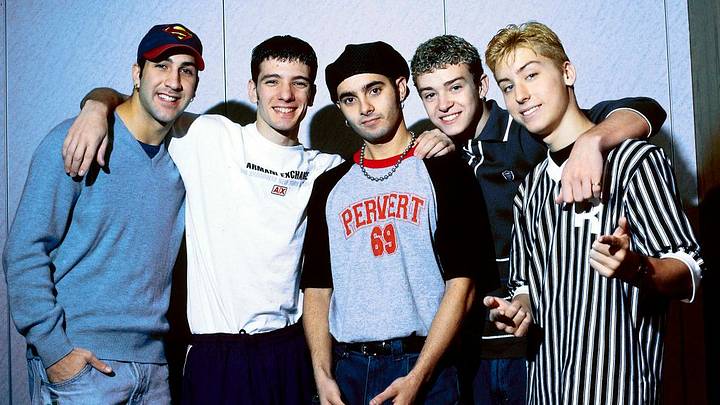
Formed in Florida in 1995, NSYNC became one of the ‘90s’ biggest pop acts, securing a new record for the fastest-selling record in history for their third album, No Strings Attached, in 2000. The band went on hiatus shortly afterward, with various members, most notably Justin Timberlake, embarking on solo careers. The band has reunited occasionally ever since, and released their first new music together in 20 years—the hit “Better Place,” from the DreamWorks animation Trolls Band Together—in 2023.
Robyn
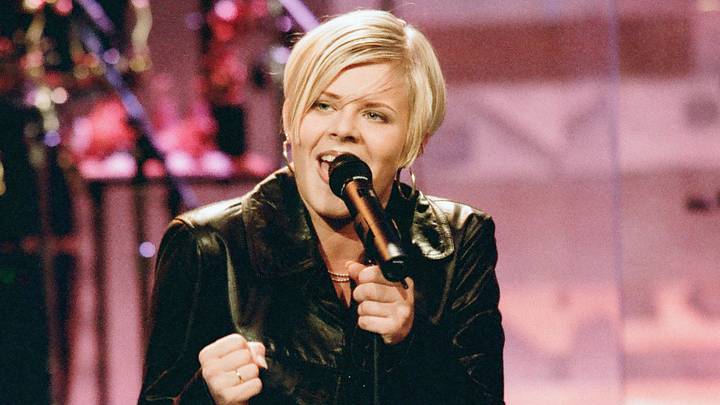
Pop superstar Robyn began her music career while still a teenager in the mid-1990s, releasing her debut Robyn Is Here in 1995 and going platinum in her native Sweden by the time she was 18. Her debut album earned her two Billboard top 10 hits in the U.S., but creative struggles with her record label curtailed further international success, leading to Robyn going independent in the early 2000s. Since then, she has forged an entirely new chapter in her career as a staggeringly inventive musical maverick, earning further global hits with electropop smash hits “With Every Heartbeat” and “Dancing on My Own.” Now a five-time Grammy nominee, she released her critically acclaimed ninth album, Sexistential, in 2026.
Roxette
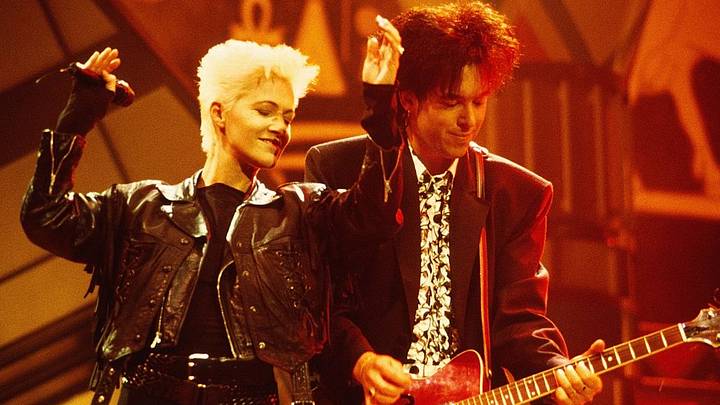
Second only to ABBA as Sweden’s greatest ever pop export, pop duo Roxette—consisting of singer Marie Fredriksson and Per Gessle—enjoyed a string of international hits in the late ‘80s and 1990s, including “The Look,” “It Must Have Been Love,” and “Joyride” (all three of which were Billboard chart-toppers). Tragically, in 2002 Fredriksson was diagnosed with a brain tumor, and although the duo continued to record and perform, she passed away in 2019 at the age of 61. In 2025, Gessle tentatively returned to the stage with Swedish pop legend Lena Philipsson now singing the band’s songs in tribute to Fredriksson; amid an overwhelmingly positive response from fans and music lovers alike, the pair embarked on a 40th anniversary tour, still under the name Roxette.
Savage Garden
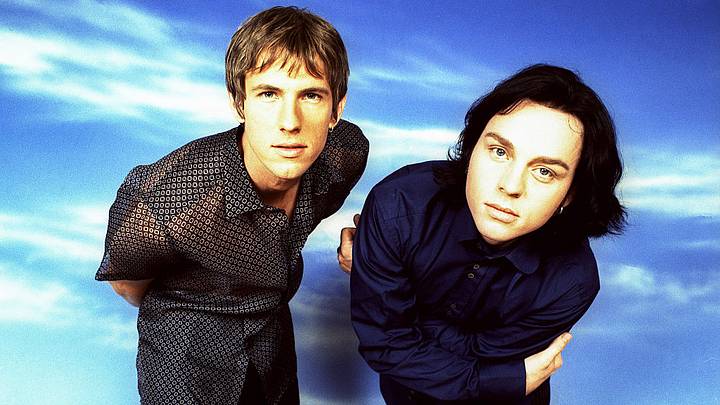
Australian pop duo Savage Garden, consisting of singer Darren Hayes and multi-instrumentalist Daniel Jones, scored a number of international hits in the mid-to-late 1990s, including “I Want You,” “To the Moon and Back,” and Billboard chart-toppers “Truly Madly Deeply” and “I Knew I Loved You.” The band went their separate ways in the early 2000s, shortly after the release of their second album, with Hayes continuing to perform as a solo artist. Jones initially moved out of the limelight to work in music production, before stepping back from the industry altogether.
Jessica Simpson
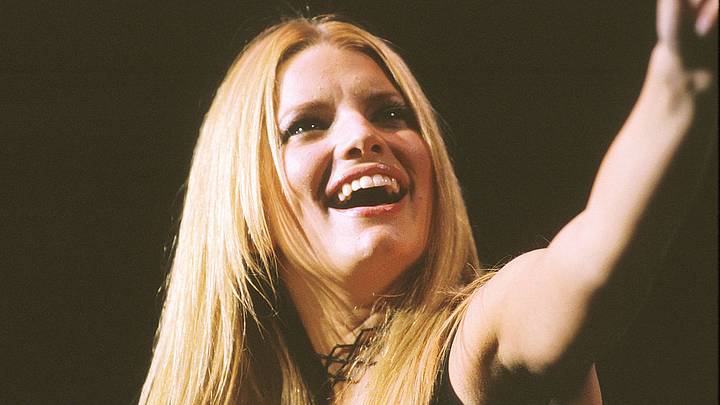
Pop superstar Jessica Simpson signed with Columbia Records at the age of just 17, releasing her multi-million-selling debut album two years later. Having moved into acting and reality television in the 2000s, she took a hiatus from music after her seventh album, Happy Christmas, in 2010, amid a cloud of personal struggles and battles and creative differences with her record label. Having taken a 15-year hiatus to raise her three children, she returned to music with the EP Nashville Canyon, Pt. 1 in 2025.
Spice Girls

Few girl groups, if any, could match the success of the Spice Girls in the 1990s, with their debut album alone selling 19 million copies, and sparking a “Girl Power” phenomenon that saw them make a film, earn five Brit Awards, and score a string of hit singles around the world. The group famously went their separate ways in the early 2000s shortly after the somewhat sudden and acrimonious departure of founder member Geri Halliwell midway through 1998’s SpiceWorld tour. All the group members went on to pursue solo careers, and reunited (albeit without Victoria Beckham, who was by then a major fashion star) for a European tour in 2019.
Shania Twain
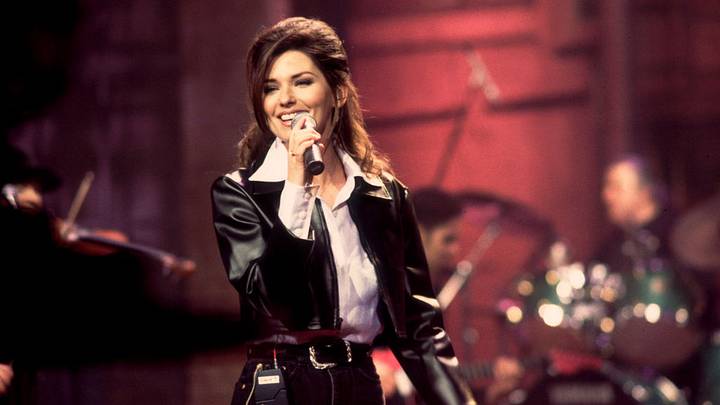
Country-pop superstar Shania Twain kickstarted her career in her native Canada in the 1980s, before she gained international notice with her second album, The Woman in Me, in 1995. It was the follow-up release Come on Over that propelled Twain into the pop stratosphere; however, the album went on to sell more than 40 million copies and spawn twelve singles. Twain took a hiatus in the mid-2000s, during which time she was diagnosed with Lyme disease. The condition eventually led to her requiring vocal surgery, but Twain remained a major force in the music industry throughout. A Caesars Palace residency in the 2010s was followed by her first studio album in 15 years, Now, in 2017; both it and its follow-up, 2023’s Queen of Me, topped the Billboard chart. She released her seventh studio album, Little Miss Twain, in 2026.
Wilson Phillips
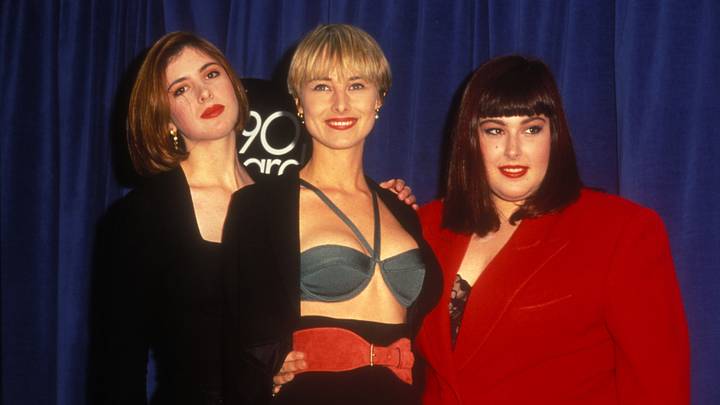
Pop trio Wilson Phillips are pop music royalty: members Carnie and Wendy Wilson are the daughters of the Beach Boys’ Brian Wilson, while fellow bandmember Chynna Phillips is the daughter of the Mamas and the Papas’ John and Michelle Phillips. Together, the group burst onto the music scene in 1990 with a debut single, “Hold On,” that earned a Grammy nomination and became a global smash hit, and a debut self-titled album that sold 10 million copies. After their 1992 follow-up, Shadows and Light, however, the band promptly broke up—yet reunited more than a decade later to record their first new music in 12 years, the cover album California, in 2004. The trio has continued to record and perform together intermittently ever since, most recently releasing a cover of Harry Styles’ “Boyfriends” in 2022.
Read More:
•
20 Biggest Pop Stars of the 1990s: Where Are They Now?
•
Quiz: How Quick Can You Pick the Beatles Songs From the Dupes?
•
The Toothache That Made the Sex Pistols Famous
•
Quiz: Can You Identify the Classic Rock Band From Its Debut Album?
•
Paul McCartney’s Favorite Book Is a Satirical English Classic