
ByEmily Petsko|Apr 4, 2019, 8:00 AM EDT
 Add us as a preferred source
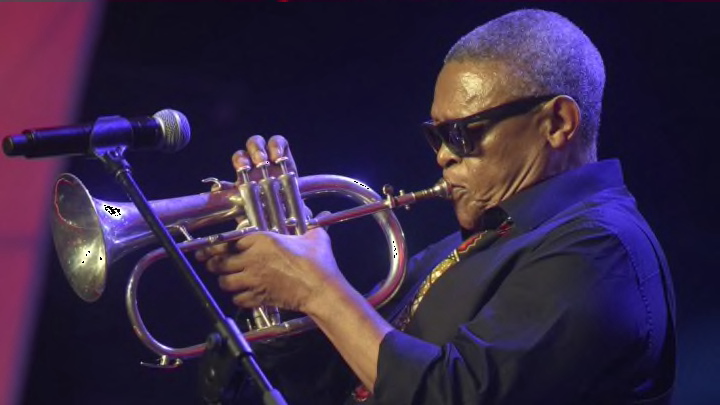
Hugh Masekela, the “father of South African jazz,” has been honored with a Google Doodle on what would have been his 80th birthday today. The musician, singer, composer, and human rights advocate died of prostate cancer in January 2018, but his songs continue to live on around the world. Here are five facts you might not know about this jazz icon.
- Hugh Masekela played Louis Armstrong’s old trumpet.
Masekela started playing the piano at age 6, but discovered his true calling as a teen. At 14, he decided to take up the trumpet after watching the 1950 film Young Man with a Horn, starring Kirk Douglas, Lauren Bacall, and Doris Day. Three years later, Masekela ended up with Louis Armstrong’s old trumpet after the iconic musician heard about a youth band in South Africa in need of instruments. Masekela said the instrument made him feel as if he had a “spiritual connection” with jazz musicians in America.
- Hugh Masekela was part of the first all-black jazz band to record an album in South Africa.
Masekela and pianist Dollar Brand founded their band, The Jazz Epistles, in 1959. Together, they tore down barriers by recording an album, playing at white clubs, and organizing a national concert tour—all things that were unheard of at the time for black artists.
- Hugh Masekela was essentially exiled.
Masekela left South Africa at the age of 21 after his tour with The Jazz Epistles was canceled in the wake of the Sharpeville Massacre, which ushered in new laws prohibiting gatherings of more than 10 people. He studied music in England and then continued on to New York, where he enrolled at the Manhattan School of Music. Masekela planned to return to his home country after graduation, but was unable to do so because of the government’s apartheid policies. “By then [Nelson] Mandela had been sentenced to life imprisonment,” Masekela told CNN in 2009. “So I stayed 26 years longer than I planned to.”
- In 1968, one of Hugh Masekela’s songs climbed to the top of U.S. pop charts.
Masekela’s single “Grazing in the Grass” was the number one Billboard song in 1968. At one point, his song was more popular than “Hello, I Love You” by The Doors, “Dream a Little Dream of Me” by Mama Cass, and “Jumpin’ Jack Flash” by the Rolling Stones.
- Hugh Masekela’s music was the soundtrack to Nelson Mandela’s release from prison.
In 1987, Masekela performed a protest song he wrote titled “Bring Him Back Home (Nelson Mandela).” The opening lines are: “Bring back Nelson Mandela, bring him back home to Soweto. We want to see him walking down the streets of South Africa, tomorrow.” His wish came true—albeit three years later—when Mandela was finally released from prison, and later elected president.
The Song Paul Simon Wrote That Art Garfunkel Initially Didn’t Want to Sing
Simon and Garfunkel’s biggest hit could have sounded very different.
ByChris Wheatley|Nov 4, 2026, 10:00 AM EST
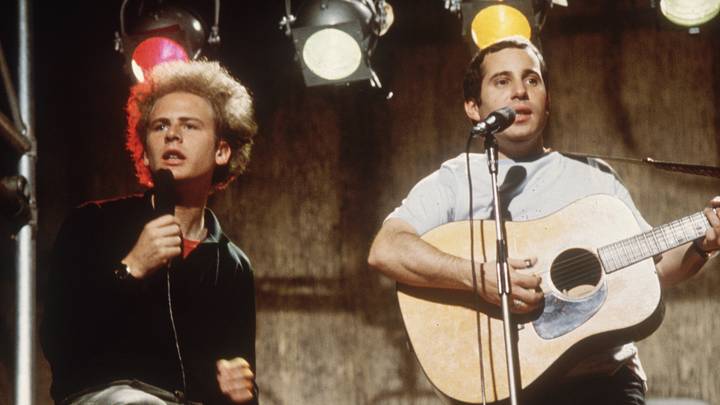
Music history is full of fantastic duos, but it’s a fair bet that if quizzed, many people would name Paul Simon and Art Garfunkel as one of the finest musical partnerships of all time. Both men grew up in Queens, New York, attended the same schools, and were fascinated by the world of popular music.
They went on to make a huge impact on the genre, both together and solo. But it turns out that their most successful song as a duo, “Bridge Over Troubled Water,” was initially nearly turned down by its lead vocalist.
The rise of Simon & Garfunkel
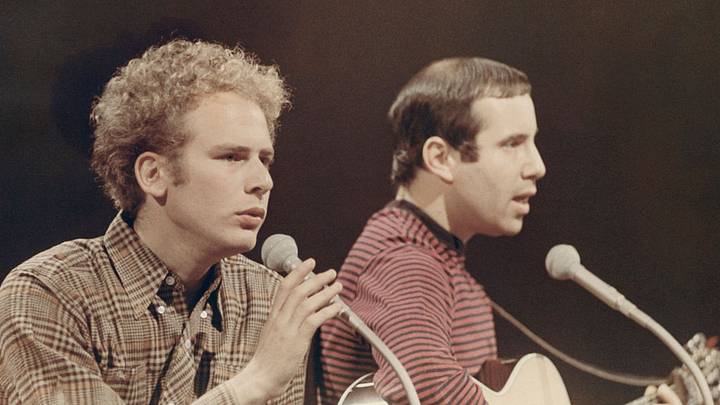
Simon and Garfunkel’s first performance together occurred during a sixth-grade adaptation of Alice in Wonderland. By the time they were 15, the pair had written and sold their first record, “Hey, Schoolgirl,” and had signed their first professional contract with Big Records.
From 1957, Simon & Garfunkel continued their education whilst recording together as Tom & Jerry, writing songs, and releasing solo records. After Simon graduated from Queens College and while Garfunkel was studying at Columbia, the duo reconvened and rebranded as Kane & Garr to sing and play in Greenwich Village.
Spotted by Columbia Records A&R man, Tom Wilson, they were soon snapped up by that label and released a debut studio album under their own names called Wednesday Morning, 3 A.M. in October 1964. Three more well-received LPs followed over the next four years: Sounds of Silence, Parsley, Sage, Rosemary and Thyme, and Bookends, firmly establishing the two men as among the most successful stars of their time.
Although Simon & Garfunkel’s final studio album, 1970’s Bridge Over Troubled Water, received mixed reviews on its initial release, it has since become widely recognized as one of the best folk-rock works of that decade. Several songs from the album have gone on to become deeply beloved, including “Cecilia,” “Bye Bye Love,” and their sublime version of the Peruvian classic, “El Cóndor Pasa.” Perhaps the most surprising fact about this record is that the title track, which shot to number one on the Billboard Hot 100, came close to sounding very different from the version we all know today.
Why Art Garfunkel nearly turned down “Bridge Over Troubled Water”
Paul Simon wrote “Bridge Over Troubled Water” in 1969, taking inspiration from the great gospel group the Swan Silvertones’ number “Oh Mary Don’t You Weep.” As Simon later recalled: “Every time I came home, I put that record on, so it was in my mind. I started to go to gospel chord changes and took the melody further.”
It’s Garfunkel who laid down the distinctive lead vocal on the track, but, according to Simon, when he first played his partner the demo, “…he didn’t want to sing it. He couldn’t hear it for himself. He felt I should have done it. And many times, I’m sorry I didn’t do it.”
Decades later, Garfunkel told an interviewer that, as far as he remembers, his initial reticence was only an act of generosity—he felt that the song was so good that Simon deserved a chance at spearheading it. Whichever version comes closest to the truth, it’s fascinating to note that there was a chance that this now-classic number might not have featured Garfunkel’s voice singing lead at all.
Read More:. manual
7 Best U.S. Waterparks to Visit in 2026, Ranked
Beat the heat this summer by entering the ultimate American splash zones!
Jul 1, 2026, 6:00 PM EDT

A summer oasis of epic proportions is the only cure for sweltering days when temperatures soar into the 90s. A colorful slide, a few lounge chairs, and a swimming pool are simply not enough to satisfy your summer bucket list requirements. If you’re already planning to pack the car, pay for passes, gather sunscreen, swimsuits, dry clothes, and other essentials for a day of adventure, why not seek out the best of the best?
Think long slides that shoot you out at record speeds, huge funnels that spin you around dizzily, obstacle courses with nets and slick bars that challenge you to stay dry before plunging into the water below, a massive wave pool that has you bobbing up and down like a buoy, and maybe even a roller coaster you exit absolutely drenched, but smiling from ear to ear. These are the features of a waterpark worthy of your summer vacation days in 2026.
But where can you find these wonderful watering holes?
According to traveler ratings on Trip Advisor, these are the best U.S. water parks to visit in 2026.
THE RATINGS
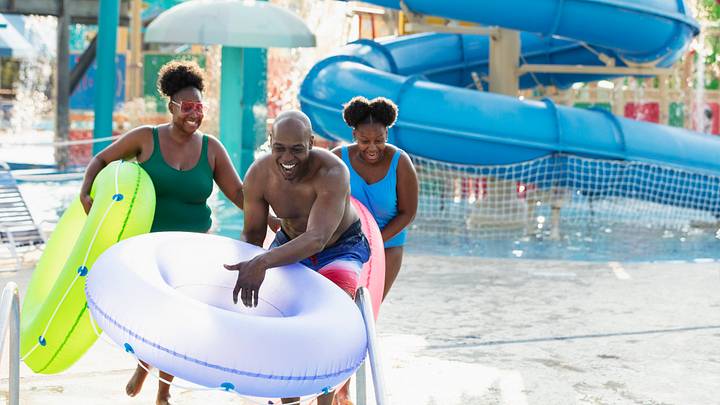
The best waterparks go way beyond slides and pools; they are entire experiences enclosed in one big space. Some are beloved by travelers and tourists for their thrilling rides, fun themes, and animal interactions. Others are praised for their short wait times and well-maintained facilities. Some have great prices and live music to pair with a day in the sun, and others feel safe and offer brief moments of respite with delicious food and drink. Pair these factors with a few tube races and giant fountains, and you cannot go wrong.
Some of these destinations also double as theme parks, offering you, your family, and your friends the chance to hop on and strap in to a few coasters while you’re at it. Not only are these waterparks among the best in the country, but they’re also top-rated attractions in their regions.
THE WATER PARKS
At the top of the list is Orlando’s Discovery Cove, a destination that’s anything but an ordinary water park. Here, guests can snorkel with tropical fish, pet stingrays, float along a lazy river, and even take photos with dolphins. While the price might seem steep, visitors consistently praise the food options and the one-of-a-kind experiences.
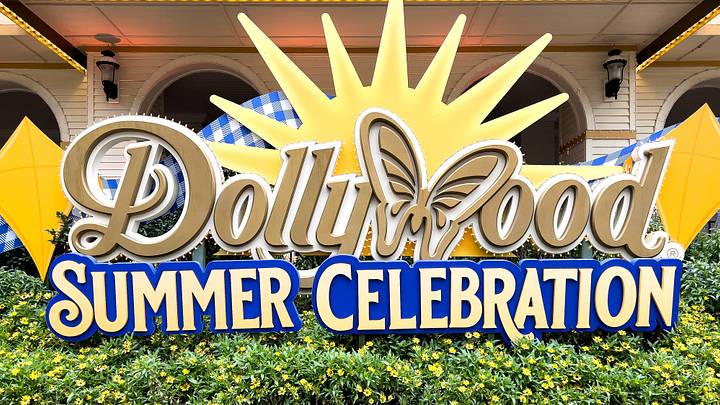
Coming in second is Dollywood in Pigeon Forge, Tennessee. This park truly has it all: exhilarating rides, classic country cooking, and a lineup of shows, festivals, and fireworks displays that keep guests coming back year after year. Beyond entertainment and rides, visitors love the variety of shops and Smoky Mountain experiences, like the forge where you can craft your own knife.
Traveling from Florida to Tennessee to Branson, Missouri, you’ll find Silver Dollar City, a regional favorite for more than 60 years. This park boasts rides you’ll want to write home about, vibrant festivals, unique shops, and plenty of restaurants. Guests rave about its safety, live music, and the variety of attractions for all ages.
Rounding out the top waterparks in the U.S. for 2026 are Cedar Point in Sandusky, Ohio, Holiday World & Splashin’ Safari in Santa Claus, Indiana, Busch Gardens in Williamsburg, Virginia, and LEGOLAND Florida Resort in Winter Haven!
The 2027 Mental Floss Amazing Facts Calendar is now on sale! Order yours today.
More Summer Fun:
manual