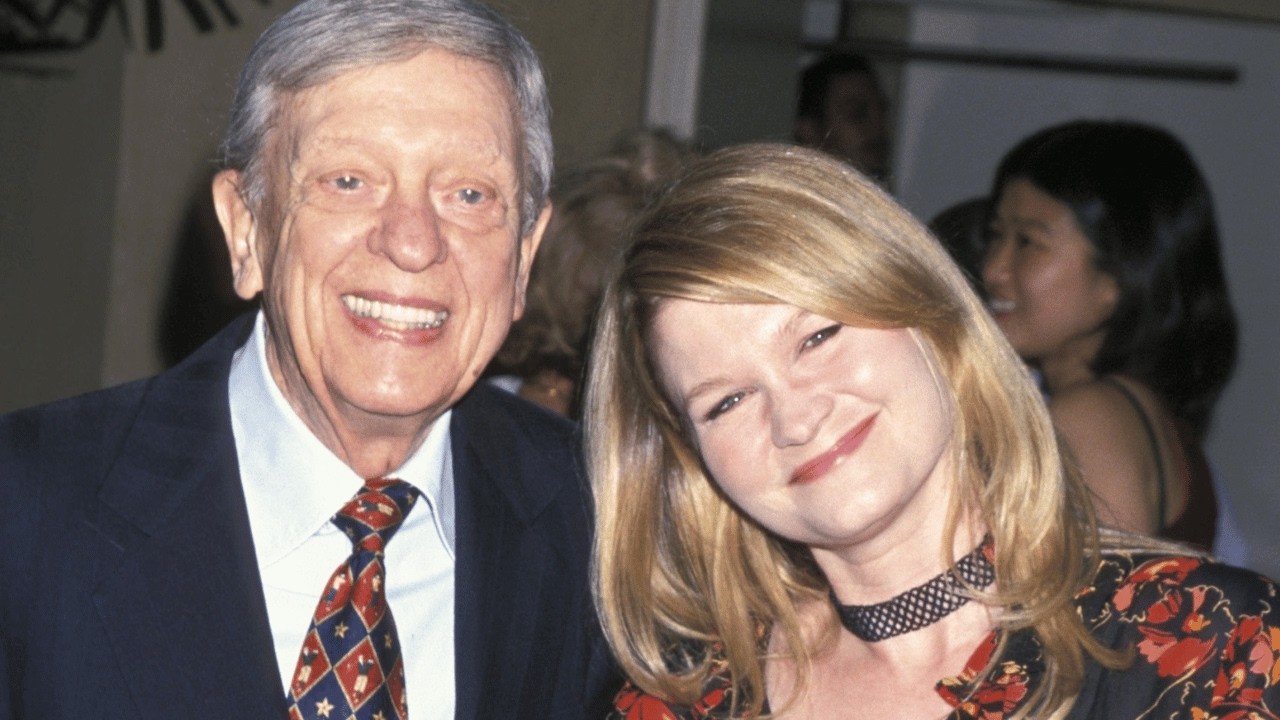
The laughter that echoed from millions of television sets across America for decades was a masterclass in comedic genius, yet the man responsible for that joy, Don Knotts, spent his final years in a quiet, unrelenting battle against a failing body and the ghosts of a lifetime of anxiety. The beloved Deputy Barney Fife, whose trembling lip and wide-eyed panic became synonymous with American humor, passed away in 2006, but the circumstances surrounding his death and the heartbreak of his personal life reveal a narrative far removed from the sunny streets of Mayberry. This was a man who turned his deepest psychological vulnerabilities into a career, but who could never fully escape the shadow of his own fears, a tragedy that culminated in a painful decline that left even his closest friends questioning the true cost of his genius.
The final chapter of Don Knotts’ life was not marked by the slapstick chaos of his on-screen persona, but by a quiet and devastating physical deterioration. He was diagnosed with macular degeneration, a condition that slowly and inexorably robbed him of his sight, a cruel fate for a performer whose entire comedic repertoire relied on precise physical timing and expressive facial reactions. The world that he had observed with such comedic precision began to blur and fade, isolating him from the craft that had been his sanctuary.
Simultaneously, he was battling lung cancer, a disease that sapped his energy and left him frail, a stark contrast to the wiry, energetic deputy who had once dominated the screen with his frantic physicality.
The combination of these ailments created a prison for a man who had spent his life in motion. The very tools of his trade—his eyes and his body—were betraying him, and the anxiety that had fueled his comedy now turned inward, magnifying his fears of helplessness and dependency. Those who visited him in his later years described a man who was still sharp of mind but trapped in a failing shell, a poignant and heartbreaking sight for those who remembered his boundless energy.
The man who could make a simple traffic stop hilarious was now struggling to navigate his own living room, a reality that weighed heavily on his spirit and on the hearts of those who loved him.
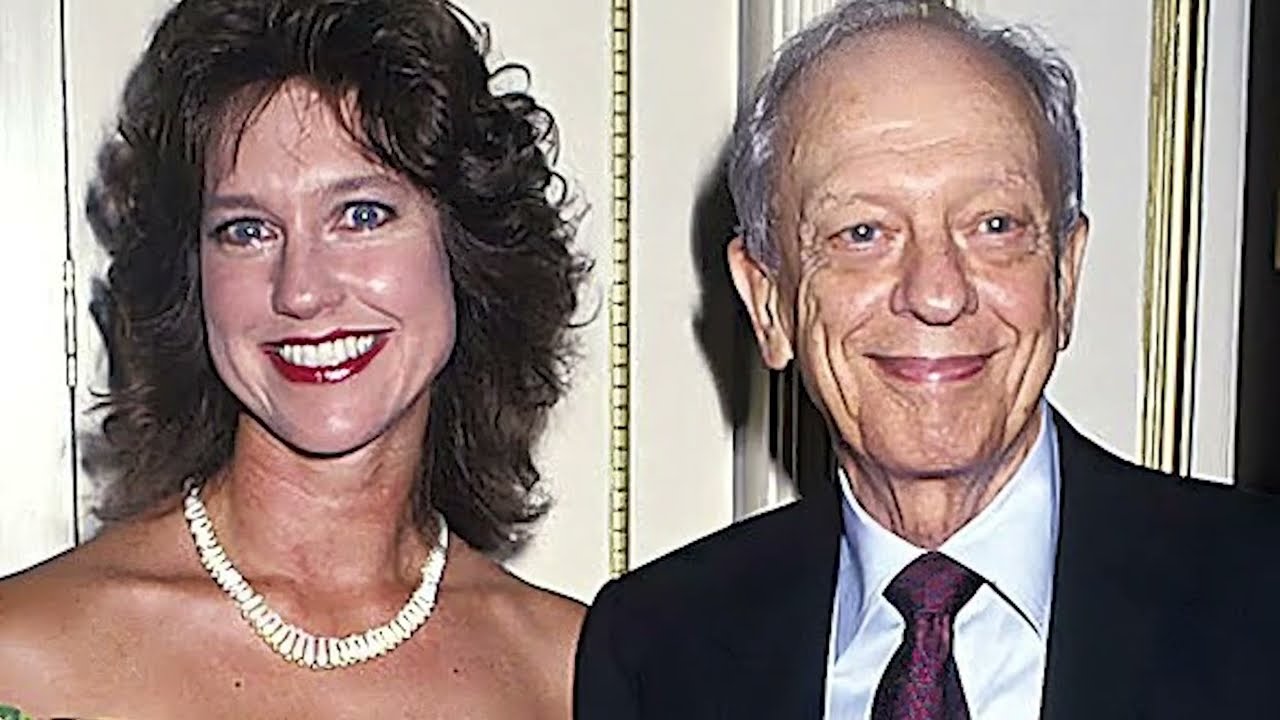
Amidst this physical decline, Knotts found a measure of solace in his third wife, Frances Yarborough, whom he married in 2002. This late-life union provided a stability and companionship that had eluded him in his earlier, more turbulent marriages. Frances became his eyes in many ways, guiding him through a world that was growing darker, and her presence offered a quiet anchor against the storm of his health issues.
However, even this newfound peace could not erase the profound sense of loss that accompanied his inability to perform. The stage had always been his refuge, the one place where his anxieties transformed into laughter, and losing that outlet was a blow that cut deeper than any physical ailment.
The story of Don Knotts’ life is inextricably linked to the anxiety that plagued him from childhood, a direct result of a turbulent upbringing in Morgantown, West Virginia. Born in 1924, he was the youngest of four sons in a household dominated by the unpredictable behavior of his father, who suffered from severe mental illness and alcoholism. The constant tension and fear of his early years left an indelible mark on his psyche, creating a hyper-vigilance that he would carry with him for the rest of his life.
The death of his father when Don was still young did not bring peace but rather cemented a sense of instability that would shape his worldview and his interactions with others for decades.
This deep-seated anxiety was the engine of his comedy, but it was also the source of his greatest personal torment. He was a man who worried incessantly about his performance, about forgetting lines, about not being funny enough, and about the fleeting nature of fame. These fears were not the mild jitters of a nervous performer; they were a constant, gnawing presence that colored every aspect of his existence.
He found it difficult to relax, to trust in his own success, and to believe that the adoration of millions was genuine. The contrast between the confident, bumbling deputy he played and the insecure, fragile man he was off-screen was a chasm he could never bridge.
His professional journey began as a refuge from this internal chaos. As a shy, bullied child, he discovered ventriloquism, a craft that allowed him to speak through a dummy, creating a barrier between his true self and the world. This early form of performance was a shield, a way to gain attention and approval without exposing his vulnerabilities.
During World War II, he honed this talent in the Army Special Services, entertaining troops and witnessing firsthand the powerful, healing nature of laughter. It was in those difficult conditions that he realized his calling, but it was a calling born from a need to escape his own mind as much as a desire to entertain others.
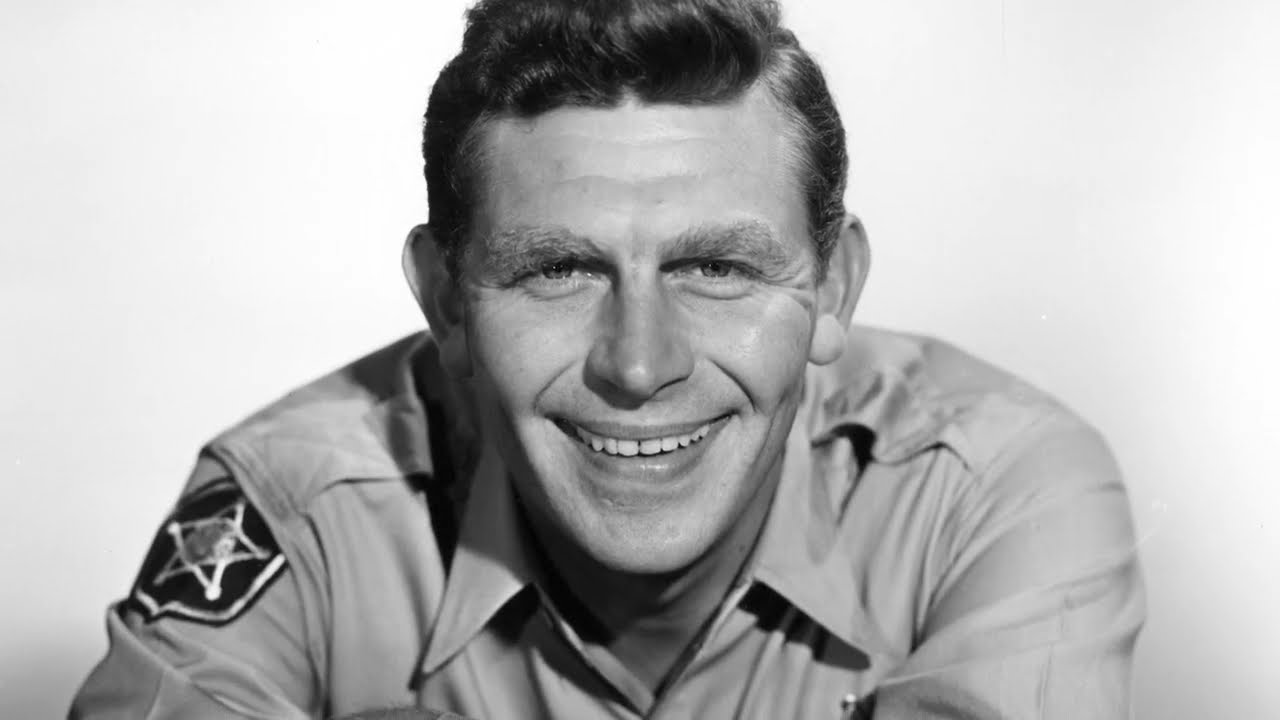
The breakthrough came when Andy Griffith created the role of Deputy Barney Fife specifically for Knotts. From 1960 to 1965, The Andy Griffith Show became a cultural phenomenon, and Knotts’ portrayal of the nervous, inept, yet lovable deputy earned him five Emmy Awards. His performance was a brilliant alchemy of his real-life anxieties, distilled and exaggerated for comedic effect.
The trembling hands, the panicked eyes, the high-pitched voice—these were not just acting choices; they were manifestations of the fear he lived with daily, transformed into a beloved character. He became a national treasure, but the pressure of maintaining that perfection only intensified his internal struggles.
The success of the show created a paradox for Knotts. He was celebrated for his nervous energy, yet he desperately craved the peace that his anxiety denied him. He shunned the Hollywood party circuit, preferring the quiet solitude of his home, a stark contrast to the vibrant life he portrayed on screen.
This isolation, while protective, also deepened his sense of being different, of being an outsider looking in on a world he couldn’t fully participate in. He was a man who made the world laugh but struggled to find his own joy, a tragic irony that defined his existence.
In 1965, at the height of his fame, Knotts made a decision that would haunt him for the rest of his life: he left The Andy Griffith Show to pursue a film career. While he found moderate success in movies and later in the sitcom Three’s Company, he never again achieved the same level of iconic status or creative satisfaction. He later admitted that leaving Mayberry was a profound mistake, a choice born from a restless ambition that clashed with his cautious nature.
He had traded the security of a beloved role for the uncertainty of the unknown, and the regret of that decision lingered, a constant reminder of a path not taken.
This regret was a heavy burden, compounding the anxiety he already felt. He worried that he had squandered his greatest opportunity, that he had let fear of being typecast drive him away from the very thing that had made him a star. The decision became symbolic of his internal conflict: the desire to grow and prove himself versus the need for safety and familiarity.
He spent years trying to recapture the magic of Mayberry, but it remained an elusive, golden memory that stood in stark contrast to the more complicated reality of his subsequent career choices.
His personal life mirrored this professional turmoil. His first marriage to Kathryn Metz, his college sweetheart, lasted 17 years and produced two children, but it ultimately could not withstand the pressures of his fame and his internal struggles. A second marriage in the 1970s also ended in divorce, further reinforcing his sense of isolation and his difficulty in maintaining intimate relationships.
 He was a man who gave so much of himself to his audience that he seemed to have little left for those closest to him, a pattern that led to loneliness and heartbreak.
The heartbreak of his life was not limited to his marriages. He carried the emotional scars of his childhood, the loss of his father, and the constant battle with his own mind. He was a man who seemed to be perpetually running from something, even as he stood still.
The laughter he generated was a shield, a way to keep others at a distance while he struggled to manage the chaos within. This duality was his greatest strength and his most profound weakness, a tightrope walk between brilliance and despair that he maintained for over six decades.
In his final years, as his health failed, the regrets and anxieties of a lifetime seemed to converge. The man who had once commanded a stage with his frantic energy was now confined to a quieter existence, dependent on others for the simplest tasks. The loss of his sight was particularly devastating, as it cut him off from the visual world that had been his comedic canvas.
He could no longer see the audience’s reactions, could no longer read the cues that had guided his performances. He was a maestro without an orchestra, a pilot without a cockpit.
Despite these immense challenges, Knotts’ commitment to his craft never fully waned. He made appearances whenever his health permitted, drawn back to the stage and screen as a moth to a flame. Performing was the only place where his fears seemed to subside, where the chaos in his mind was replaced by the order of a script and the rhythm of a joke.
It was a bittersweet refuge, a place that brought him joy but also reminded him of what he was losing. The courage he displayed in these final performances was a testament to his character, a quiet defiance against the forces that were slowly consuming him.
The death of Don Knotts on February 24, 2006, at the age of 81, was met with an outpouring of grief from fans and colleagues alike. The nation mourned the loss of a beloved icon, a man who had brought laughter into their living rooms for generations. But for those who knew him best, the grief was more complex.
They mourned the loss of a kind, humble man who had battled his demons with remarkable resilience, but who had also suffered greatly behind the scenes. The public farewell was for the character, the deputy, the comedian; the private mourning was for the man who had carried such a heavy burden.
His legacy, however, is secure. Don Knotts is remembered as one of the greatest comic actors in television history, a performer whose work on The Andy Griffith Show remains a gold standard for physical comedy and character acting. His portrayal of Barney Fife is a masterclass in turning vulnerability into strength, in making anxiety relatable and hilarious.
He proved that the things we often see as weaknesses—our fears, our insecurities—can be transformed into our greatest assets. His art was a gift born from his pain, a legacy that continues to inspire and entertain.
But the story of his life also serves as a poignant reminder of the hidden struggles that often accompany public success. It is a cautionary tale about the pressure of fame, the isolation of celebrity, and the importance of mental health. Knotts’ life was a testament to the human capacity to create beauty from suffering, but it also highlights the quiet desperation that can exist behind a smiling facade.
He was a man who gave everything to his audience, often at the expense of his own peace of mind.
The relationship between his public persona and his private pain is the central tragedy of his life. He was a master of disguise, hiding his profound anxiety behind a mask of comedic nervousness. The very traits that made him famous were the ones that caused him the most distress.
He was trapped in a feedback loop where his fears fueled his comedy, and his comedy, in turn, reinforced his fears. It was a cycle he could never break, a prison of his own making that he inhabited until the very end.
In the annals of entertainment history, Don Knotts will forever be celebrated as a genius, a man who could find the humor in fear and turn trembling into a punchline. But his story is also a human story, one of resilience in the face of overwhelming odds. He faced his anxieties head-on, not by conquering them, but by channeling them into his work.
He turned his personal tragedy into a shared joy, a transformation that is both remarkable and heartbreaking. The laughter he gave us was hard-won, a product of his own suffering.
His final years, marked by illness and regret, were a stark contrast to the vibrant energy of his prime. The man who had once bounced around the streets of Mayberry was now confined to a world of shadows, struggling to hold on to the light. Yet, even in his decline, he retained a core of dignity and humility that endeared him to those around him.
He did not complain about his fate; he accepted it with a quiet grace that was perhaps his final, most profound performance.
 The story of Don Knotts and his wife Frances is not one of a fairy-tale ending, but of a shared struggle against the inevitable. It is a story of companionship in the face of loss, of finding peace in the twilight years after a lifetime of turmoil. While the ending was undoubtedly sad, it was also a testament to the enduring power of human connection.
Frances was there for him when he needed her most, providing a stability that had eluded him for so long. In that sense, his final chapter was not entirely without solace.
The impact of Don Knotts’ work cannot be overstated. He influenced countless comedians who followed him, and his style of physical comedy and character-driven humor remains influential today. He was a master of his craft, a perfectionist who demanded the best from himself and those around him.
His five Emmy Awards are a testament to his talent, but they only tell part of the story. The real legacy is in the millions of moments of laughter he provided, moments that continue to be shared and enjoyed by new generations of viewers.
As we look back on his life, we are reminded that the people who make us laugh are often the ones who are hurting the most. Don Knotts was a paradox: a man who brought light into the world while living in his own shadow. His life is a powerful reminder to be kind, to look beyond the surface, and to recognize that everyone is fighting a battle we know nothing about.
His story is a call for empathy, a plea to understand the hidden costs of the joy we so readily consume.
The final curtain fell on Don Knotts’ life more than a decade ago, but his presence is still felt. The reruns of The Andy Griffith Show continue to air, and his comedic genius continues to be discovered by new audiences. He has achieved a kind of immortality through his work, a permanence that transcends the frailty of his physical body.
He may be gone, but the laughter he created will echo for generations to come, a lasting tribute to a man who gave so much of himself to make the world a happier place.
In the end, the awful ending and heartbreaking death of Don Knotts and his wife is a story about the fragility of life and the complexity of the human spirit. It is a story about a man who was a genius on screen and a tortured soul off it. It is a story about the courage to keep going, even when everything inside you is telling you to stop.
Don Knotts was more than a comedian; he was a survivor, a man who used his greatest weakness as his greatest strength. His life, though marked by sorrow, was a triumph of the human will.
The legacy of Don Knotts is a double-edged sword. On one hand, it is a celebration of comedic brilliance, a treasure trove of laughter that will never fade. On the other hand, it is a reminder of the personal cost of that brilliance, the anxiety and fear that he carried with him every day.
He gave us his best, even when he was at his worst. He showed us that it is possible to smile through the pain, to laugh in the face of fear. That is his true gift, and it is one that we should cherish and honor.
His story also serves as a warning about the nature of fame. The adulation of millions cannot fill the void of personal insecurity. The applause cannot silence the inner critic.
Don Knotts was a man who had everything the world could offer in terms of professional success, yet he struggled to find personal happiness. His life is a testament to the fact that true peace comes from within, not from external validation. It is a lesson that is as relevant today as it was during his lifetime.
The death of Don Knotts marked the end of an era in American comedy. He was a link to a simpler time, a time when humor was gentle and character-driven, a time before the cynicism of the modern age. His passing was a loss not just for his fans, but for the art form itself.
He was a master of his craft, a true original who will never be replicated. The world is a less funny place without him, but it is a richer place because he was here.
As we remember Don Knotts, we should not just remember the laughter, but also the man behind it. We should remember his struggles, his fears, and his quiet courage. We should remember that he was a human being, with all the flaws and complexities that entails.
His story is a reminder that even our heroes are fallible, that even the brightest stars have their dark moments. It is in those moments that we see their true humanity, and it is in that humanity that we find our connection to them.
The heartbreaking death of Don Knotts is a story that resonates because it is so fundamentally human. It is a story about the gap between who we are and who we appear to be. It is a story about the masks we wear and the pain we hide.
 It is a story about the search for connection and the fear of being truly seen. In the end, Don Knotts was a man who spent his life making others feel good, while struggling to feel good about himself. That is a tragedy, but it is also a profound act of generosity.
His work will continue to be a source of comfort and joy for years to come. In a world that is often too serious, his comedy is a welcome relief. He had the rare ability to make us laugh at our own fears, to see the humor in our own anxieties.
That is a gift that is more valuable than gold. He taught us that it is okay to be nervous, to be scared, to be imperfect. He taught us that our flaws can be our greatest assets.
That is a lesson that will outlive us all.
The story of Don Knotts is a complex tapestry of triumph and tragedy, joy and sorrow. He was a man who achieved extraordinary success but paid a heavy price for it. His life is a reminder that the pursuit of happiness is often a lonely journey, and that the brightest lights can cast the darkest shadows.
As we close the book on his life, we are left with a profound sense of gratitude for the laughter he gave us, and a deep sense of sadness for the pain he endured. He was a true original, and he will be deeply missed.
The final years of Don Knotts were a quiet, dignified struggle against the ravages of time and illness. He faced his mortality with the same courage he had faced his fears, with a quiet determination that was characteristic of his private life. He did not rage against the dying of the light, but instead accepted it with a grace that was both inspiring and heartbreaking.
He was a man who had given so much to the world, and in the end, he asked for so little in return.
The legacy of Don Knotts and his wife is a story of love, loss, and the enduring power of the human spirit. It is a story that reminds us to cherish the moments of joy we have, and to be compassionate towards those who are suffering. It is a story that encourages us to look beyond the surface, to see the person behind the persona.
Don Knotts was a beloved entertainer, but he was also a man who knew pain. His story is a testament to the fact that we are all more than the roles we play.
In the annals of television history, Don Knotts will forever hold a place of honor. His work on The Andy Griffith Show is considered some of the finest comedy ever produced for the medium. His character, Barney Fife, is an American icon, a symbol of the lovable underdog who never quite gets it right but never gives up.
He brought a unique blend of pathos and humor to the role, creating a character that was both hilarious and deeply human. It is a performance that will be studied and admired for generations.
The death of Don Knotts was a moment of collective mourning for a generation that had grown up with him. He was a familiar presence, a comforting figure in a changing world. His passing felt like the loss of an old friend, someone who had been there for us in good times and bad.
He had a way of making us feel better about ourselves, of reminding us that our own anxieties were not so different from his. He was a unifier, a man who brought people together through laughter.
As time passes, the memory of Don Knotts will only grow stronger. He has become a legend, a figure of mythic proportions in the world of comedy. But it is important to remember that he was also a man, with all the complexities and contradictions that entails.
He was a man who struggled with his own mind, who battled his demons every day, and who still managed to find the strength to make others smile. That is the true measure of his greatness, and it is a legacy that will endure forever.
The heartbreaking story of Don Knotts’ final years is a reminder that even the most beloved figures are not immune to the trials of life. He faced his end with the same quiet dignity that had defined his private life, surrounded by the love of his wife and the memories of a career that had touched millions. While his ending was undoubtedly sad, it was also a testament to his resilience.
He never stopped fighting, never stopped trying to find the light in the darkness. That is the legacy he leaves behind.