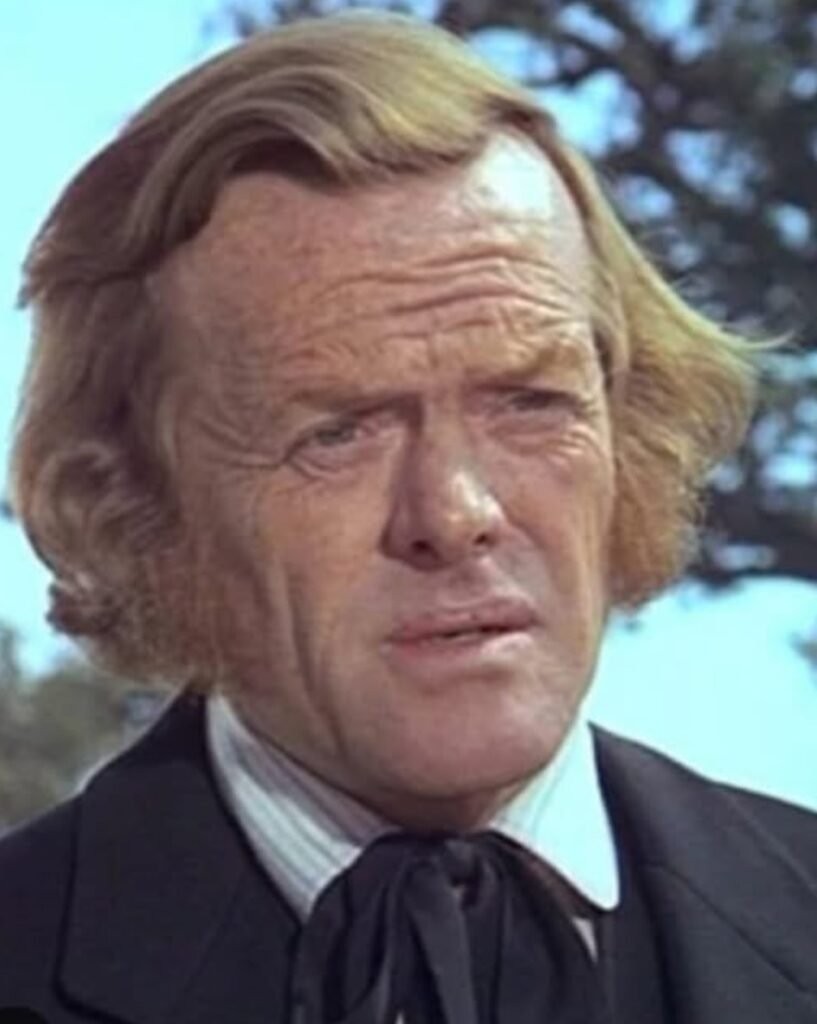
The ending of a long-running television series often carries enormous emotional weight—not just for audiences, but for the actors who helped bring the story to life. One such perspective comes from Kevin Hagen, best known for his role as Dr. Hiram Baker on the beloved series Little House on the Prairie.
In various interviews, Hagen reflected on the show’s dramatic final episode, titled The Last Farewell. The episode is remembered for its controversial and emotionally charged conclusion: the residents of Walnut Grove decide to destroy their own town in a series of explosions rather than allow it to fall into the hands of an unjust landowner.
For many viewers, this ending was shocking but symbolic—an act of defiance and unity. However, Hagen expressed reservations about this creative choice. While he acknowledged he could not speak for all cast members, he personally felt the destruction of the village was an inappropriate way to conclude a series that had long celebrated themes of family, resilience, and community building.
From Hagen’s perspective, the heart of the show lay in its portrayal of perseverance through hardship. Over its many seasons, audiences watched the Ingalls family and their neighbors build lives from the ground up, facing adversity with courage and compassion. To end that journey with the literal destruction of Walnut Grove seemed, to him, to contradict the very spirit the show had cultivated.
Yet, the finale can also be understood through a broader narrative lens. The decision to blow up the town was rooted in historical inspiration and dramatic storytelling. It underscored the idea that while physical places can be taken or destroyed, the values and bonds of a community endure beyond structures and land. In that sense, the ending was less about loss and more about reclaiming dignity and agency.
This contrast in interpretation highlights an important truth about storytelling: endings are rarely universal in their reception. What resonates as powerful and poetic for some may feel jarring or misplaced to others—even those directly involved in the production.
Kevin Hagen’s reflections add depth to the conversation about how stories should conclude. His viewpoint reminds us that narratives, especially those grounded in emotional realism, carry expectations shaped by years of connection. When those expectations are challenged, it can lead to meaningful dialogue about artistic intent, audience loyalty, and the legacy of a show.
Ultimately, the finale of Little House on the Prairie remains a topic of discussion decades later—not only because of its dramatic ending, but because it invites us to consider what truly defines a community. Is it the physical space people inhabit, or the shared experiences and values they carry forward? In wrestling with that question, both the creators and critics of the ending contribute to the enduring life of the story.