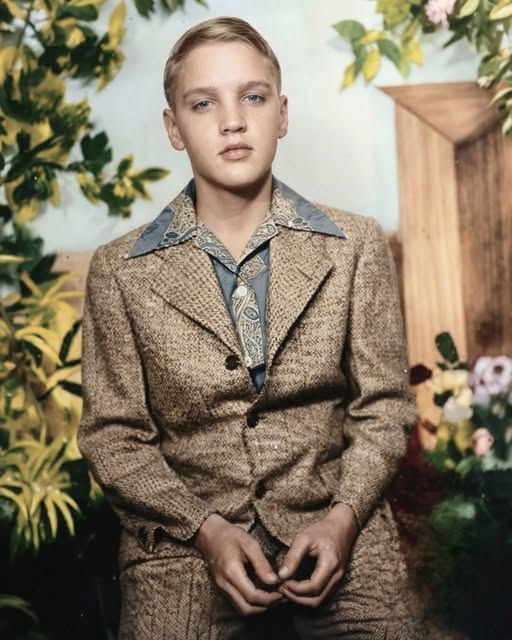
At the height of his early fame—when crowds screamed his name, controversy followed his every move, and critics blamed him for corrupting American youth—Elvis Presley made a decision that stunned both fans and skeptics alike.
In an era when his swiveling hips and rebellious image dominated headlines, many assumed he would find a way to avoid military service or receive preferential treatment.
Instead, Elvis chose a different path—one that would forever alter how the world saw him.
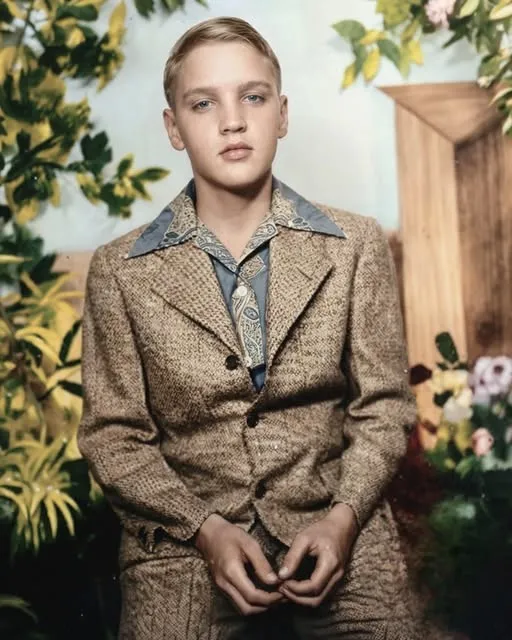
In December 1957, Presley received his draft notice from the U.S. Army. The news spread instantly, sparking speculation across the media. Would the most famous entertainer on the planet actually serve?
Would he be assigned to a special unit? Would his career survive such a long absence? Elvis himself said little publicly, but his actions spoke volumes. Rather than seeking deferment or privilege, he accepted the call without protest.
On March 24, 1958, Elvis Presley—then 23 years old—arrived for duty as an ordinary recruit. Cameras captured the moment, but what stood out was not defiance or arrogance.
Instead, the images showed a young man stepping away from superstardom and into uniform, ready to do what millions of other Americans had done before him. In one stroke, he silenced critics who had labeled him irresponsible or unpatriotic.

Elvis began basic training at Fort Hood, Texas, where his life changed overnight. The silk suits, luxury cars, and adoring crowds were replaced by fatigue uniforms, early-morning drills, and strict military discipline.
He was subject to the same rules as everyone else—standing in formation, following orders, and enduring the physical and mental demands of training.
While the presence of cameras made total anonymity impossible, those who trained alongside him later recalled that Elvis made a sincere effort to blend in and be treated like any other soldier.
The transition was not easy. Fame had insulated him from ordinary life, and suddenly he was stripped of all special status. Yet this contrast seemed to ground him. Away from the pressures of show business, Elvis experienced routine, structure, and shared purpose.
For the first time since his rise to fame, his days were not dictated by contracts or headlines but by responsibility.

After completing his training, Presley was deployed to Germany with the 3rd Armored Division. Stationed primarily in Friedberg, he spent the majority of his service living among fellow soldiers in modest housing.
There, he became known simply as Private Presley. He stood guard, participated in drills, and adapted to life overseas—far removed from Hollywood soundstages or recording studios.
Though reporters continued to track his movements, the image that emerged was strikingly human. Photographs showed Elvis laughing with his unit, relaxing during downtime, and performing routine military tasks.
These images reshaped public opinion. Many older Americans who had once viewed him as a disruptive influence began to see him differently—not as a symbol of rebellion, but as a young man willing to serve his country.

Music, however, never left him entirely. During moments of rest, Elvis often entertained fellow soldiers with impromptu jam sessions, singing familiar songs or experimenting with new material.
Though he did not record professionally during his deployment, creativity remained an essential part of who he was. Those quiet moments of music sustained him and quietly prepared him for what would come next.
On March 5, 1960, Elvis Presley was honorably discharged from the U.S. Army. He returned home noticeably changed—leaner, more composed, and visibly matured.
Within weeks, he was back in the studio, recording Elvis Is Back!, an album that surprised listeners with its vocal sophistication and emotional depth. The brash energy of his early hits had evolved into something smoother, more controlled, and undeniably confident.
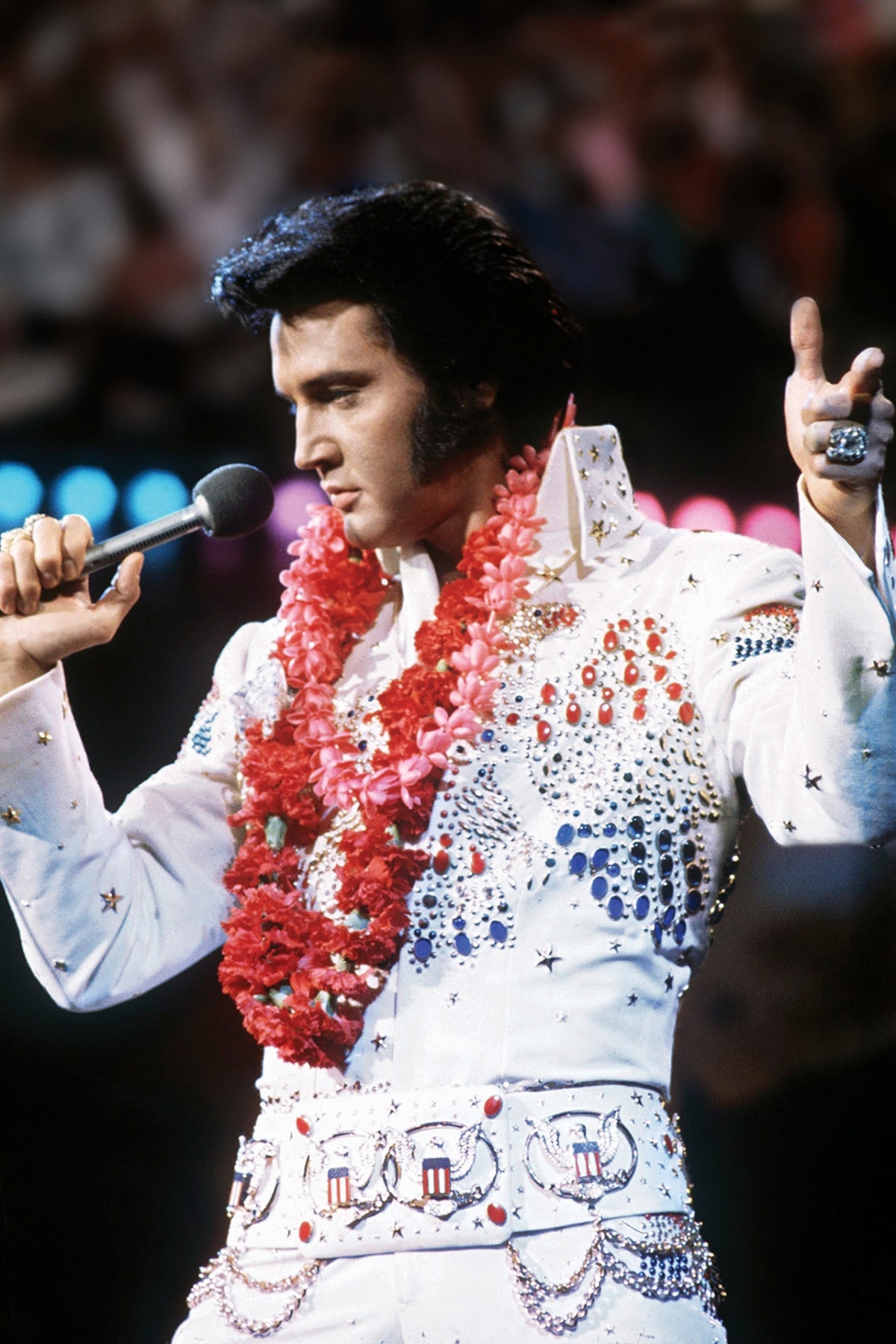
The transformation wasn’t limited to music. Military life had exposed Elvis to people from vastly different backgrounds and experiences, broadening his worldview.
The discipline he learned, the responsibilities he carried, and the losses he witnessed left an imprint that followed him into the next phase of his career. He approached his work—and his life—with a greater sense of gravity.
Elvis Presley’s time in uniform was more than a temporary interruption to a legendary career. It was a defining chapter. In stepping away from fame to serve as a soldier, he earned respect that transcended music. When he returned, he wasn’t just a bigger star—he was a deeper one.

The King had left as a cultural phenomenon. He came back as a man who had stood in line, followed orders, and carried the weight of duty. And that experience, quiet yet profound, forever changed the way he lived, performed, and was remembered.